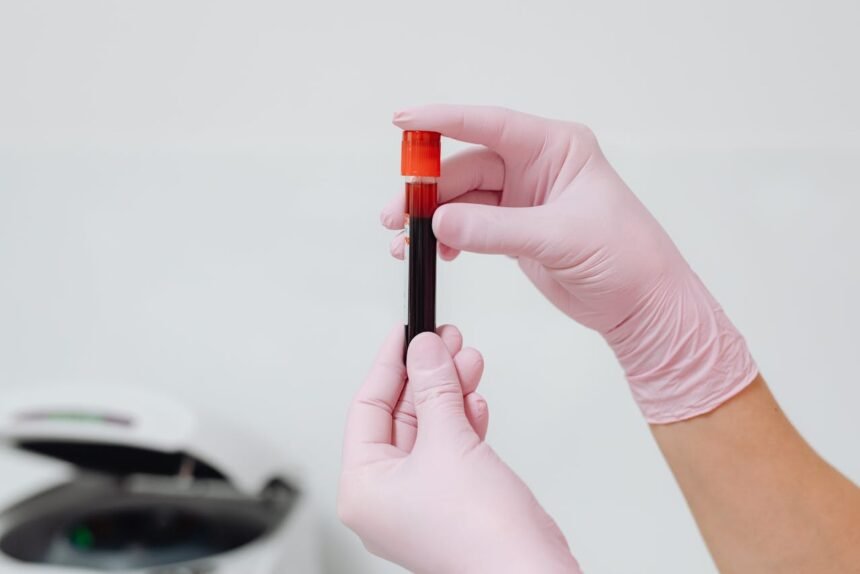
If you have recently returned from a trip to a sun-soaked tropical destination and have started feeling unwell, your doctor might mention a malaria blood film. While the name sounds clinical, this simple yet vital laboratory test is the most effective way to identify the presence of malaria parasites in your system. Despite the rise of modern technology, examining a peripheral blood smear under a microscope remains the primary method for diagnosing this potentially life-threatening condition.
Malaria is a serious disease caused by parasites transmitted through a mosquito bite. Specifically, it is spread by the female Anopheles mosquito. Early diagnosis is critical to prevent complications. In this guide, we will break down exactly what a malaria blood film involves, why it is necessary, and what your results might mean for your recovery.
What is a Malaria Blood Film?
A malaria blood film is a diagnostic procedure where a small sample of your blood is spread onto a glass slide, treated with a specific Giemsa stain, and examined under a microscope by a trained lab technician or pathologist. This process allows medical professionals to see the actual parasites living inside your red blood cells.
Unlike some broad screening tests, the blood film provides detailed information. It helps doctors identify the specific species of the parasite, such as Plasmodium falciparum, which is the most dangerous strain. It also allows them to calculate the parasite density, which tells them how severe the infection is.
According to the World Health Organization, microscopic examination of blood films is essential for effective case management in both endemic areas and for travellers returning to non-endemic countries.
The Two Types of Malaria Blood Smears
When you undergo testing, the laboratory usually prepares two types of films on the slide. Each serves a unique and vital purpose in the diagnostic process.
1. The Thick Film
The thick film uses a larger volume of blood in a small area. Its primary job is to find the parasite. Because the blood cells are concentrated, it is much easier to spot even a very low number of parasites. It is roughly 20 to 40 times more sensitive than a thin film for initial detection.
2. The Thin Film
The thin film consists of a single layer of blood cells spread across the slide. This allows for a clearer view of the individual cells. Doctors use the thin film to determine the species of the malaria parasite and to assess the percentage of infected red blood cells. Identifying the species is crucial because treatments vary significantly between different types of malaria.
For more technical details on slide preparation, you can visit CDC’s diagnostic guidelines.
Comparison: Thick vs. Thin Malaria Blood Films
Understanding the differences between these two methods helps clarify why both are usually performed simultaneously. The following table highlights their primary characteristics.
| Feature | Thick Blood Film | Thin Blood Film |
|---|---|---|
| Primary Goal | Detection (finding the parasite) | Identification (naming the species) |
| Blood Volume | High concentration | Low, single-cell layer |
| Sensitivity | Very High | Moderate |
| Clarity | Lower (cells are lysed) | High (cells remain intact) |
| Key Use | Screening for infection | Calculating parasite density |
Why Do You Need a Malaria Blood Film?
Your healthcare provider will order this test if you exhibit symptoms after visiting a region where tropical diseases are common. Symptoms of malaria can often mimic a severe flu, making it easy to overlook without proper testing.
Common symptoms that warrant a test include:
- High fever and shivering (chills).
- Profuse sweating as the fever breaks.
- Severe headaches and muscle aches.
- Nausea, vomiting, and diarrhoea.
- General fatigue and malaise.
If you have recently visited a travel clinic and were advised about malaria risks, you should mention this to your doctor immediately upon feeling unwell. Speed is of the essence, especially with Plasmodium falciparum, which can progress to severe malaria within 24 hours without treatment. Information on symptoms is available via the NHS malaria portal.
How the Test is Performed
The procedure is quick and relatively painless. It usually follows these steps:
- Sample Collection: A healthcare professional will take a small blood sample, usually through a finger prick or by drawing blood from a vein in your arm.
- Smear Preparation: The blood is applied to glass slides to create both thick and thin smears.
- Staining: The slides are treated with Giemsa stain, which gives the parasites a distinct colour (usually purple or blue) so they stand out against the blood cells.
- Microscopy: A specialist uses microscopy to scan the slides for any signs of the Plasmodium parasite.
In many cases, if the first malaria blood film is negative but symptoms persist, the test will be repeated every 12 to 24 hours for a few days. This is because the level of parasites in the blood fluctuates over time.
Malaria Blood Film vs. Rapid Diagnostic Tests (RDTs)
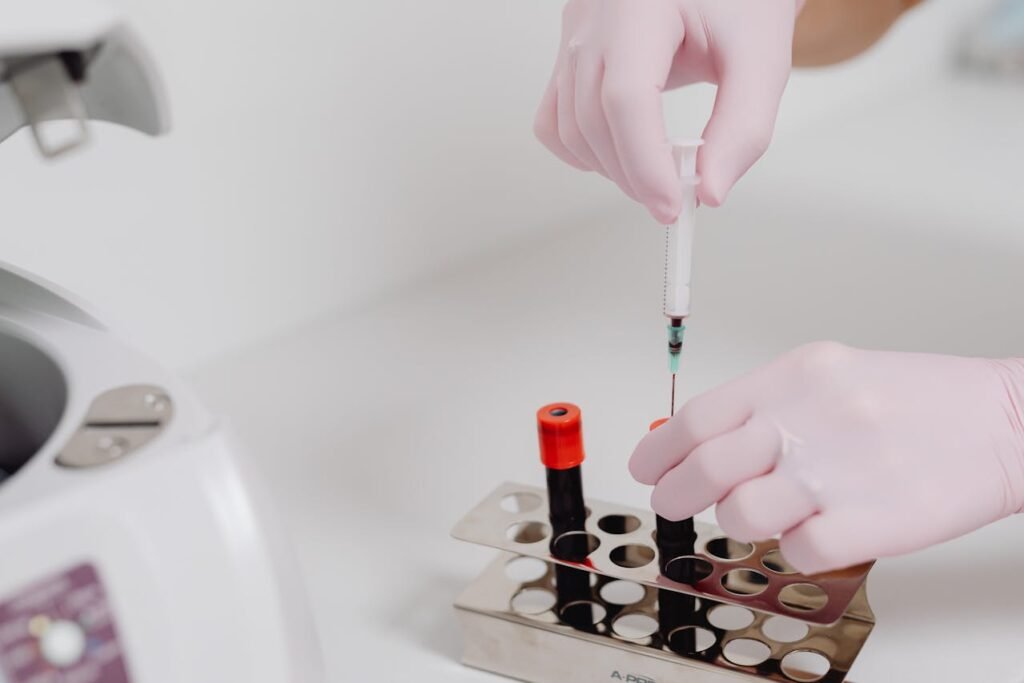
In some settings, especially where a lab technician or high-quality microscope is not available, a rapid diagnostic test (RDT) might be used. These work similarly to a pregnancy test, detecting specific antigens in the blood.
While RDTs are fast and require less training, they cannot always determine the parasite density or differentiate between all species as accurately as a blood film. Therefore, most major health centres, such as the Mayo Clinic, recommend following up a positive RDT with a microscopic film for confirmation and quantification. Research into the accuracy of these methods is often published in journals like Nature Scientific Reports.
Interpreting Your Results
A positive result means malaria parasites were found. Your report will likely specify:
- The Species: Such as P. falciparum, P. vivax, P. ovale, or P. malariae.
- Parasitaemia: The percentage of infected red blood cells. A high percentage (usually over 2%) indicates a more severe infection requiring urgent hospitalisation.
A negative result means no parasites were seen in that specific sample. However, it does not completely rule out malaria. If you are still unwell, your doctor will likely request repeat testing. You can read more about interpreting lab results at Lab Tests Online UK.
Prevention and Global Impact
Malaria remains a significant global health challenge. Efforts by organisations like UNICEF and the Red Cross focus on distributing bed nets and providing access to rapid diagnosis and treatment. For those planning to travel, checking resources like TravelHealthPro is essential for the latest advice on antimalarial medication.
Ongoing research published in The Lancet Infectious Diseases and through the London School of Hygiene & Tropical Medicine continues to improve how we utilise diagnostic tools like the blood film to combat drug-resistant strains.
Frequently Asked Questions (FAQs)
How long does it take to get results from a malaria blood film?
In most clinical settings, a malaria blood film can be processed and read within 2 to 6 hours. However, in urgent hospital cases, preliminary results may be available even sooner to ensure rapid treatment initiation.
Can a blood film detect malaria if I don’t have a fever?
Yes, it is possible. While fever is the most common symptom, parasites can be present in the blood before the fever reaches its peak. If you have any history of travel to endemic areas, testing is often recommended regardless of the exact symptom profile.
Is the malaria blood film 100% accurate?
While it is the “gold standard,” its accuracy depends on the skill of the lab technician and the timing of the blood draw. This is why doctors often order multiple films over 48 hours to ensure a parasite isn’t missed during a low-cycle phase of the infection.
For further reading on the history and evolution of malaria diagnostics, visit the UK Government’s malaria guidelines, explore the Malaria Journal, or review clinical studies from the Mahidol Oxford Tropical Medicine Research Unit. Efforts by groups like PATH continue to drive innovation in the field.