For decades, the global health community has dreamt of a shield against one of history’s deadliest foes. Today, that dream is a reality. The RTS,S vaccine, also known by its brand name Mosquirix, marks a monumental turning point in our battle against malaria, a parasitic disease that has claimed millions of young lives.
Developed by GSK in collaboration with the PATH Malaria Vaccine Initiative, this isn’t just another medical advancement; it is the first vaccine ever shown to significantly reduce malaria in children. If you are a parent, a traveller, or someone passionate about global health, understanding the impact of the RTS,S vaccine is essential. In this guide, we’ll explore how this vaccine works, its efficacy, and what it means for the future of sub-Saharan Africa and beyond.
What Exactly is the RTS,S Vaccine?
The RTS,S vaccine is designed to trigger the immune system to defend against Plasmodium falciparum, the deadliest malaria parasite globally and the most prevalent in Africa. Unlike many vaccines that target viruses or bacteria, RTS,S targets a complex parasite, making its development a feat of engineering recorded in the Nature journal.
The vaccine specifically targets the “sporozoite” stage of the parasite—the point at which it enters the human bloodstream through a mosquito bite and travels to the liver. by stopping the parasite from infecting the liver, the vaccine prevents it from maturing, multiplying, and causing clinical symptoms.
The Road to WHO Prequalification
The journey of this vaccine has been long and rigorous. After successful clinical trials involving thousands of children, the World Health Organization (WHO) granted WHO prequalification in 2022. This formal stamp of approval paved the way for international procurement and large-scale distribution through organisations like UNICEF.
Efficacy and Performance: Does It Work?
When discussing vaccine efficacy, it is important to manage expectations. The RTS,S vaccine is not a “silver bullet” that provides 100% protection. However, when used as part of a comprehensive malaria prevention strategy, its impact is profound.
Research published in the New England Journal of Medicine highlights that the vaccine significantly reduces severe malaria cases and hospitalisations. In areas with highly seasonal transmission, seasonal vaccination with RTS,S combined with antimalarial drugs has shown a reduction in cases by over 70%.
Comparing Malaria Intervention Strategies
To understand how the RTS,S vaccine fits into the current landscape, let’s look at how it compares to traditional methods of vector control.
| Intervention | Primary Mechanism | Main Benefit |
|---|---|---|
| RTS,S Vaccine | Biological immunity against parasites. | Reduces child mortality and severe illness. |
| Insecticide-Treated Nets (ITNs) | Physical and chemical barrier. | Prevents mosquito bites during sleep. |
| Indoor Residual Spraying (IRS) | Chemical barrier on walls. | Kills mosquitoes within the household. |
| Antimalarial Drugs | Chemical treatment/prevention. | Clears existing infections in the blood. |
The Pilot Implementation and Rollout
The success of the RTS,S vaccine wasn’t just proven in a lab. A massive pilot implementation programme was launched in 2019 across Ghana, Kenya, and Malawi. Managed by the WHO, this programme reached more than 2 million children, proving that the immunisation schedule could be successfully integrated into routine childhood healthcare.
Following the success of these pilots, Gavi the Vaccine Alliance has committed hundreds of millions of pounds to support the rollout of the vaccine in several other African nations. This support ensures that the vaccine reaches those who need it most, regardless of their economic status.
Who Should Get the Vaccine and When?
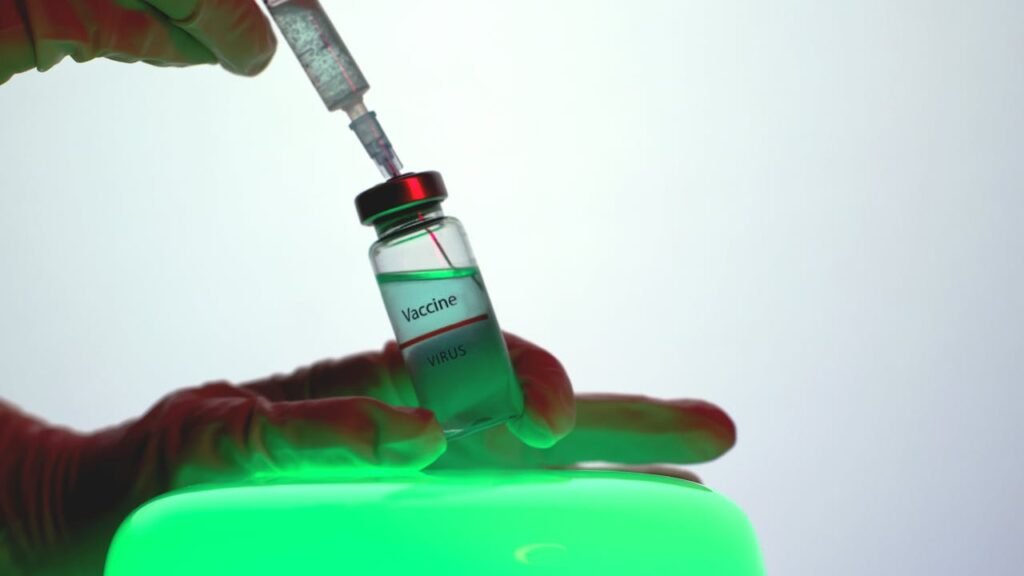
The RTS,S vaccine is primarily intended for children living in regions with moderate to high malaria transmission. Because children are the most vulnerable to severe malaria, they are the priority group for this life-saving intervention.
The Recommended Immunisation Schedule
According to the NHS and global health guidelines, the vaccine requires a four-dose regimen to be effective:
- First Dose: Typically administered at 5 months of age.
- Second Dose: Administered one month after the first.
- Third Dose: Administered one month after the second.
- Fourth Dose: A booster dose given approximately 15-18 months after the third dose to maintain immunity.
Adhering to this schedule is vital. Skipping the booster dose can lead to a significant drop in protection levels over time.
The Future: Next Generation Vaccines
While the RTS,S vaccine is a historic first, it has opened the door for even more advanced technologies. Researchers at Oxford University have recently developed the R21/Matrix-M vaccine, which builds on the foundations laid by RTS,S. Supported by the Wellcome Trust and the Gates Foundation, these innovations suggest that the total eradication of malaria may be possible within our lifetime.
Organisations like Malaria No More continue to advocate for the funding necessary to ensure these scientific breakthroughs reach the “last mile” of travelling health clinics in rural areas.
Safety and Side Effects
Safety is a top priority for any immunisation schedule. Like most childhood vaccines, the RTS,S vaccine has been found to be safe and well-tolerated. Some children may experience mild side effects similar to those seen with other routine jabs.
According to the CDC and the Mayo Clinic, common side effects include:
- Soreness at the injection site.
- Mild fever (which can usually be managed with paracetamol).
- Fussiness or irritability for a day or two.
Severe allergic reactions are extremely rare, and the benefits of preventing a lethal case of malaria far outweigh the temporary discomfort of these side effects.
Frequently Asked Questions (FAQs)
Is the RTS,S vaccine a replacement for mosquito nets?
No. The vaccine is intended to be used alongside other preventative measures. Even vaccinated children should continue to sleep under insecticide-treated nets and utilise other forms of vector control to ensure maximum protection against malaria.
Can adults receive the RTS,S vaccine?
Currently, the RTS,S vaccine is specifically approved and optimised for young children in high-risk areas. There is currently no general recommendation for its use in adults or short-term travellers, although research into adult formulations continues.
How long does the protection from the vaccine last?
Protection is highest in the months following the initial three doses. The fourth booster dose is essential to extend this protection into the period of highest risk for young children. Long-term studies published in The Lancet are ongoing to determine if further boosters will be needed in later childhood.
The Bottom Line
The RTS,S vaccine represents a triumph of human ingenuity over a ancient disease. By integrating this vaccine into routine healthcare programmes, we can significantly reduce child mortality and give millions of children a healthier start in life. While the fight against malaria is far from over, we now have a powerful new tool in our arsenal, bringing us one step closer to a malaria-free world.