If you are planning a trip to a tropical destination or simply want to understand global health better, you have likely come across the term malaria. But did you know that malaria isn’t just one single disease? It is a complex infection caused by microscopic protozoan parasites. Understanding the different malaria parasite types is crucial because each species behaves differently, requires specific antimalarial medication, and carries varying levels of risk.
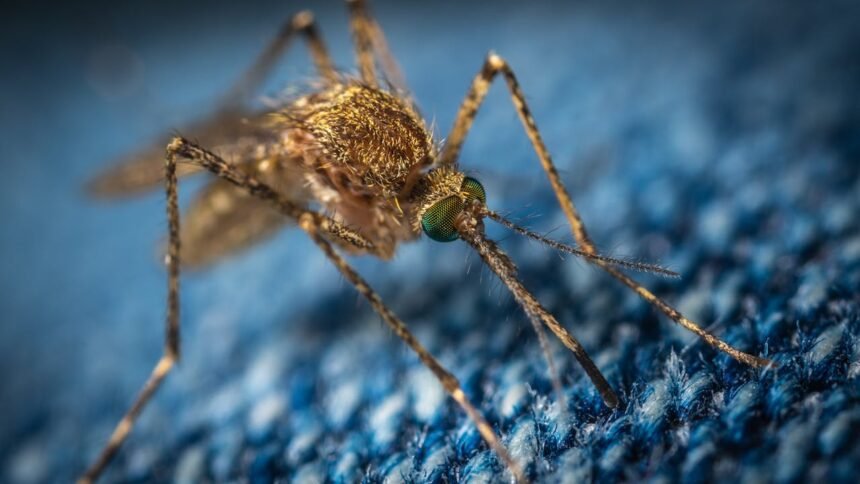
Malaria is primarily transmitted through the bite of an infected female Anopheles mosquito. Once the parasite enters your bloodstream, it embarks on a complex parasite life cycle, moving from the liver to the red blood cells. In this guide, we will break down the five species of the Plasmodium genus that infect humans, their symptoms, and how to stay safe while travelling to endemic regions.
The “Big Five”: Understanding Malaria Parasite Types
While there are over 100 species of Plasmodium that can infect animals like birds and reptiles, only five are known to regularly infect humans. Each has a unique incubation period and geographic footprint.
1. Plasmodium falciparum: The Deadliest Threat
Plasmodium falciparum is the most well-known and dangerous of all malaria parasite types. It is responsible for the vast majority of malaria-related deaths globally, particularly in sub-Saharan Africa. What makes P. falciparum so lethal is its ability to multiply rapidly in the blood, causing severe malaria that can lead to organ failure or cerebral malaria.
Public health experts at the World Health Organization (WHO) emphasize that this species has developed significant drug resistance to older treatments like chloroquine, making modern artemisinin-based combination therapies (ACTs) essential.
2. Plasmodium vivax: The Relapsing Rival
P. vivax is the most geographically widespread species, found throughout Asia, Latin America, and parts of Africa. While it is often considered “less severe” than falciparum, it presents a unique challenge: the liver stage. This parasite can remain dormant in your liver for months or even years, causing a relapse of malaria symptoms long after the initial infection has cleared. Managing this requires specific drugs like primaquine to “mop up” the dormant sporozoites.
3. Plasmodium ovale: The Rare Specialist
Primarily found in West Africa and the Western Pacific, Plasmodium ovale is relatively rare. Similar to P. vivax, it can hide in the liver and cause relapses. However, it is generally less aggressive and often responds well to standard treatments.
4. Plasmodium malariae: The Slow Burner
If P. falciparum is a sprint, P. malariae is a marathon. This species has a much longer incubation period and can persist in the blood for decades without causing severe illness. However, it can cause chronic infections that lead to kidney complications if left untreated.
5. Plasmodium knowlesi: The Zoonotic Newcomer
Originally found in long-tailed macaques in Southeast Asia, P. knowlesi has increasingly “jumped” to humans. It is unique because it replicates every 24 hours, leading to a very rapid progression of illness. According to research published in Nature, this species requires prompt diagnosis to prevent it from becoming life-threatening.
Comparing Malaria Parasite Types at a Glance
The following table provides a quick comparison of how these parasites differ in terms of severity and location.
| Parasite Species | Primary Region | Severity | Can Relapse? |
|---|---|---|---|
| P. falciparum | Sub-Saharan Africa, SE Asia | Very High / Critical | No |
| P. vivax | Asia, Latin America | Moderate to High | Yes |
| P. ovale | West Africa | Low to Moderate | Yes |
| P. malariae | Worldwide (Patchy) | Low / Chronic | No (but persists) |
| P. knowlesi | Southeast Asia | High (Rapid) | No |
Symptoms and Diagnosis: What to Look For
Regardless of the malaria parasite types involved, the initial symptoms often feel like a bad case of the flu. Early recognition is life-saving. You should seek medical advice immediately if you experience:
- High fever and shaking chills
- Profuse sweating as body temperature falls
- Headache and muscle aches
- Nausea, vomiting, or diarrhoea
- Extreme fatigue and anaemia
To confirm an infection, doctors typically use a blood smear, where a sample is examined under a microscope to identify the specific parasite. In remote areas, a rapid diagnostic test (RDT) is often used to provide results in minutes, which is vital for starting the correct treatment quickly.
Prevention and Protection
Prevention is always better than cure. If you are visiting a high-risk area, follow the “ABCD” of malaria prevention recommended by the NHS:
- Awareness: Know your risk level based on your destination.
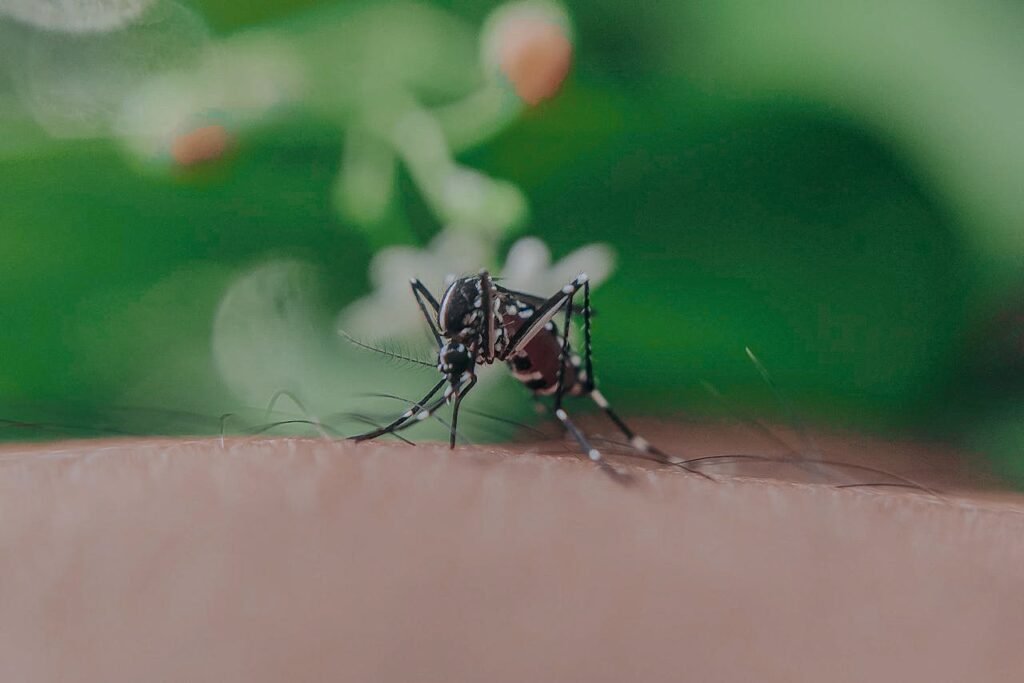
- Bite prevention: Use insect repellent (DEET), wear long sleeves, and sleep under insecticide-treated mosquito nets.
- Chemoprophylaxis: Take the correct prophylactic treatment as prescribed by a travel clinic.
- Diagnosis: Seek immediate medical attention if you develop a fever up to a year after returning.
Organisations like Malaria No More UK and Médecins Sans Frontières (MSF) continue to work on the ground to provide these preventative measures to vulnerable populations.
The Future: Vaccines and Eradication
There is significant hope on the horizon. The R21/Matrix-M vaccine, developed by the University of Oxford, has shown high efficacy in trials. Additionally, the Gavi Vaccine Alliance is working to roll out the RTS,S vaccine across Africa. These breakthroughs, combined with genomic research at institutions like Imperial College London and LSHTM, bring us closer to a malaria-free world.
For official UK travel advice, always consult the Government’s malaria prevention guidelines before your trip.
Frequently Asked Questions (FAQs)
Can you have more than one malaria parasite type at once?
Yes, this is known as a mixed infection. It most commonly occurs in endemic regions where a person might be bitten by mosquitoes carrying different species, such as P. falciparum and P. vivax simultaneously. Mixed infections can complicate treatment and require a broader range of antimalarial medication.
How long does it take for symptoms to appear?
The incubation period varies by species. Symptoms usually appear within 7 to 30 days after the bite. However, species like P. vivax and P. ovale can remain dormant in the liver for months, meaning you could fall ill long after you have returned home from your travels.
Is malaria contagious between people?
No, malaria is not contagious like a cold or the flu. It cannot be spread through casual contact, sitting next to someone, or sharing food. It is almost exclusively transmitted through the female Anopheles mosquito, though rare cases can occur via blood transfusions or organ transplants, as noted by the Mayo Clinic.
Can I get malaria again after being cured?
Yes. Having malaria once does not provide lifelong immunity. While people living in high-transmission areas may develop “partial immunity,” which reduces the risk of severe malaria, they can still be reinfected multiple times. This is why ongoing protection and prophylactic treatment are so important for everyone.
Disclaimer: This article is for informational purposes only and does not constitute medical advice. Always consult a healthcare professional or travel clinic for personalized health recommendations.