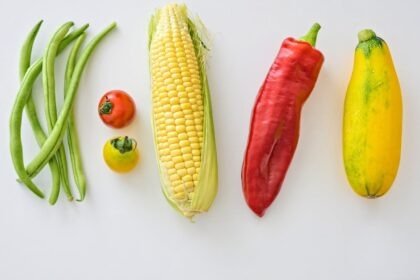
Sliced Bell Peppers: The Ultimate Guide to Nutrition, Preparation, and Freshness
Whether you are looking to brighten up a lunchtime salad or add a satisfying crunch to your evening meal, sliced bell peppers are a versatile staple in any healthy kitchen. Known botanically as Capsicum annuum, these vibrant vegetables are not just about aesthetics; they are nutritional powerhouses that offer a wealth of health benefits.
In this guide, we will explore why keeping a container of sliced bell peppers in your fridge is a game-changer for meal prep, how to store them to maintain their snap, and the science behind their impressive antioxidant properties.
The Nutritional Power of the Pepper
Bell peppers, often referred to as capsicum in many parts of the world, come in a rainbow of colours. While they all originate from the same plant family, their nutritional profiles shift as they ripen. Red peppers are essentially fully ripened green peppers, which explains their sweeter flavour and higher nutrient density.
One of the most notable features of these vegetables is their Vitamin C content. In fact, a single serving of red sliced bell peppers contains significantly more Vitamin C than an orange. This nutrient is essential for immune system support and collagen production. You can learn more about the role of Vitamin C on the NHS website.
Comparison of Bell Pepper Varieties
To help you choose the right pepper for your goals, here is a breakdown of how the different colours compare:
| Pepper Colour | Flavour Profile | Key Nutritional Benefit | Best Use |
|---|---|---|---|
| Green | Bitter, grassy | High in chlorophyll | Stir-fry basics |
| Yellow/Orange | Sweet, mild | High in lutein | Salad toppings |
| Red | Very sweet | Highest in carotenoids | Low-calorie snack |
Health Benefits: Why You Should Eat More Peppers
Incorporating sliced bell peppers into your daily routine does more than just add colour to your plate. They are rich in dietary fibre, which is crucial for maintaining digestive health and preventing constipation. The British Nutrition Foundation emphasises the importance of fibre in reducing the risk of heart disease.
Furthermore, bell peppers are excellent for eye health. They contain high levels of lutein and zeaxanthin, two carotenoids that protect the retina from oxidative damage. Research published in Nature suggests these compounds may reduce the risk of cataracts and macular degeneration.
Beyond vision, the antioxidant properties found in these vegetables help combat oxidative stress in the body. According to the Mayo Clinic, antioxidants play a vital role in protecting your cells against free radicals, which may play a role in heart disease and cancer.
How to Slice Bell Peppers Like a Pro
Mastering the art of the cut can make your meal prep much faster and more enjoyable. Follow these simple steps for perfectly uniform sliced bell peppers:
- Wash and Dry: Always rinse your peppers under cold water and pat them dry to prevent slipping while cutting.
- The “Top and Tail” Method: Slice off the stem end and the bottom of the pepper.
- The Core Removal: Make one vertical slice down the side of the pepper, then “roll” the pepper along the cutting board, using your knife to slice the flesh away from the inner seed core.
- Flatten and Strip: Lay the pepper flesh flat (skin side down) and cut into even strips. This ensures a stable surface for safer cutting.
For a visual guide on improving your kitchen techniques, check out BBC Good Food’s knife skills.
Storage Secrets: Keeping the Crunch
There is nothing more disappointing than reaching for sliced bell peppers only to find them soft and slimy. To prevent this, proper storage is key. Once sliced, peppers lose their protective moisture barrier.
To keep them fresh for up to 5 days, place them in an airtight container lined with a damp paper towel. This maintains the necessary humidity without allowing the peppers to sit in water. For long-term storage, freezing peppers is a fantastic option. Simply flash-freeze them on a tray before transferring them to a freezer bag. While they will lose their crunch for raw eating, they remain perfect for roasted vegetables or soups.
Guidance from the Food Standards Agency suggests that keeping your fridge at the correct temperature (below 5°C) is essential for food safety and longevity.
Creative Ways to Enjoy Sliced Bell Peppers
If you are tired of the usual snacks, try these creative ways to utilise your prepped peppers:
- Healthy Dip Platter: Use thick-cut red peppers as a vessel for hummus or Greek yoghurt dip instead of crackers. This creates a satisfying, low-calorie snack.
- The Perfect Stir-Fry: Add them last to your stir-fry basics to ensure they retain some texture and vibrant colour.
- Sheet Pan Dinners: Toss them with olive oil and herbs for roasted vegetables that pair perfectly with lean protein.
- Breakfast Boost: Finely dice your slices and fold them into a morning omelette for a dose of phytochemicals.
For those managing specific health conditions, such as diabetes, sliced bell peppers are an ideal choice because they have a low glycaemic index. Diabetes UK recommends non-starchy vegetables as excellent snack replacements.
Expert Tips for Buying Peppers
When shopping, look for peppers that feel heavy for their size and have a firm, glossy skin. Avoid any with soft spots or wrinkled skin, as these are signs of dehydration. If you are interested in the environmental impact of your produce, the Royal Horticultural Society provides excellent resources on how to grow your own capsicum at home.
Understanding the science of produce can also help you make better choices. Articles on ScienceDirect detail how different processing methods, like blanching before freezing, can preserve the nutritional integrity of the vegetable.
Summary
From providing a massive boost to your immune system support to being the perfect healthy dip companion, sliced bell peppers are a true kitchen essential. By incorporating them into your salad toppings or roasting them to perfection, you are making a conscious choice for better heart and eye health. For more information on maintaining a balanced diet, visit the World Health Organization (WHO) or the Academy of Nutrition and Dietetics.
Frequently Asked Questions (FAQs)
Can you eat the seeds of a bell pepper?
Yes, the seeds are perfectly edible. However, many people find them slightly bitter and prefer the texture of the pepper without them. They do not contain capsaicin (the heat found in chillies), so they won’t be spicy.
How long do sliced bell peppers last in the fridge?
When stored in an airtight container with a paper towel to absorb excess moisture, sliced bell peppers typically stay fresh and crisp for 3 to 5 days. For more on food safety, visit Harvard Health.
Are red peppers healthier than green peppers?
While all bell peppers are healthy, red peppers contain more vitamins and antioxidants because they have been on the vine longer. They have roughly double the Vitamin C and significantly more Vitamin A than their green counterparts. You can check the specific heart benefits of these nutrients at the British Heart Foundation.
Is it better to eat bell peppers raw or cooked?
Both have benefits! Raw peppers provide the highest Vitamin C content, as heat can degrade this water-soluble vitamin. However, cooking peppers can make certain carotenoids like lycopene easier for your body to absorb. For a deep dive into nutrient bioavailability, see PubMed.