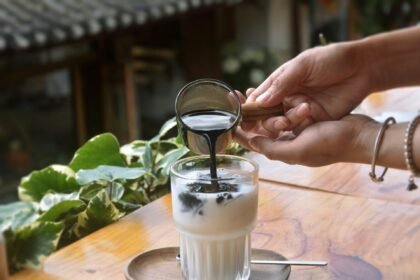
Soy Sauce Koji: The Umami Secret for Better Gut Health and Flavour
If you have been searching for a way to elevate your culinary creations while supporting your digestive system, look no further than soy sauce koji (often referred to as Shoyu Koji). This ancient Japanese condiment is currently having a modern revival in professional kitchens and health-conscious homes alike. But what exactly is it, and why is it being hailed as a superior salt alternative?
In this guide, we will explore the science behind this “umami bomb,” its impressive nutritional profile, and how you can easily incorporate it into your daily diet to optimise your gut microbiome.
What Exactly is Soy Sauce Koji?
At its simplest, soy sauce koji is a mixture of soy sauce and rice koji (steamed rice that has been inoculated with the mould Aspergillus oryzae). While regular soy sauce is a liquid seasoning, shoyu koji has a thick, porridge-like consistency and a much deeper, more complex umami flavor profile.
The magic happens during the fermentation process. When the Aspergillus oryzae (also known as koji-kin) interacts with the soy sauce, it releases a powerhouse of protease enzymes. These enzymes break down the proteins in the soy into amino acids, specifically glutamate, which is responsible for that savoury “fifth taste” we crave.
The Health Benefits of Shoyu Koji
Beyond its incredible taste, soy sauce koji offers several health advantages that make it a staple in a digestive health-focused pantry. Because it is a product of fermentation, it is rich in bioactive compounds that support the body in various ways.
- Improved Digestion: The protease enzymes and amylase present in koji help pre-digest proteins and starches, making it easier for your body to absorb nutrients.
- Probiotic Potential: Like many fermented foods, koji-based products support a diverse range of beneficial bacteria in the gut.
- Reduced Sodium Intake: Shoyu koji contains roughly half the sodium of table salt by volume but provides more intense seasoning, making it an excellent salt alternative for those monitoring their blood pressure.
- Rich in Antioxidants: The fermentation of soy releases phenolic compounds that help combat oxidative stress in the cells.
The Science of Enzymes
Research published in ScienceDirect highlights how Aspergillus oryzae acts as an “enzyme factory.” These enzymes don’t just stay in the jar; when used as a marinade, they begin to break down the connective tissues in meats and the cellular walls in vegetables, resulting in a superior texture and enhanced nutrient bioavailability.
How Soy Sauce Koji Compares to Regular Soy Sauce
While both seasonings share a base, their chemical composition and culinary applications differ significantly. Use the table below to understand the key differences.
| Feature | Regular Soy Sauce | Soy Sauce Koji (Shoyu Koji) |
|---|---|---|
| Consistency | Thin liquid | Thick, chunky paste |
| Primary Taste | Salty, sharp | Sweet, deep umami, mellow |
| Enzyme Activity | Low (often pasteurised) | Extremely high and active |
| Sodium Content | High | Lower per serving |
| Fermentation Time | Months to years | 7–10 days (for the final blend) |
Integrating Shoyu Koji into Your Diet
You don’t need to be a Michelin-starred chef to utilise this culinary seasoning. Its versatility allows it to replace salt, soy sauce, or miso in almost any shoyu koji recipe.
- As a Marinade: Rub it onto chicken, fish, or tofu. The enzymes will tenderise the protein while the amino acids create a beautiful caramelised crust when cooked.
- In Dressings: Whisk a teaspoon into olive oil and lemon juice for a probiotic-rich salad dressing.
- As a Topping: Simply spoon it over steamed vegetables or a bowl of brown rice to add instant depth.
- In Soups: Stir it into stews or broths at the end of cooking to preserve the delicate probiotic benefits.
According to the Mayo Clinic, consuming a variety of fermented products is key to maintaining a healthy gut microbiome, which is linked to everything from immunity to mental clarity.
The Connection Between Fermentation and Wellbeing
The fermented foods movement is supported by significant evidence regarding the gut-brain connection. By introducing enzyme-rich foods like soy sauce koji, you are not just seasoning your food; you are providing the raw materials your gut needs to produce neurotransmitters like serotonin.
Furthermore, studies on soy fermentation benefits suggest that the process reduces anti-nutrients (like phytates) found in soy, making minerals like iron and zinc more accessible to the body. This makes shoyu koji a particularly valuable addition for those following plant-based diets.
How to Make Your Own Soy Sauce Koji at Home
Making this condiment is surprisingly simple and requires only two ingredients: dried rice koji and high-quality soy sauce. This DIY approach ensures you retain the maximum probiotic benefits.
Ingredients:
- 200g dried rice koji (available at Japanese grocers or online)
- 200ml-300ml organic soy sauce (or tamari for a gluten-free version)
Method:
- Place the rice koji in a clean glass jar and break up any clumps with your hands.
- Pour in the soy sauce until the grains are completely submerged.
- Cover the jar loosely with a lid and store it at room temperature, away from direct sunlight.
- Stir the mixture once a day for 7 to 10 days. The koji will absorb the liquid and turn into a thick, sweet-smelling paste.
- Once the grains are soft and the aroma is fruity, store the jar in the fridge for up to six months.
For more information on the history and cultural significance of this process, the Journal of Ethnic Foods offers a deep dive into traditional Japanese fermentation techniques.
Safety and Considerations
While soy sauce koji is safe for most people, those with specific health conditions should be mindful. If you have a soy allergy or are on a strictly sodium-restricted diet for kidney health, consult your GP or a registered dietitian. You can find more information on managing salt intake at NIH.gov.
Additionally, ensuring your fermentation environment is clean is vital. For guidance on safe home fermentation, refer to the Cochrane Library for evidence-based food safety practices. Always look for the characteristic sweet, malty smell; if you notice any off-colours or putrid odours, discard the batch.
Frequently Asked Questions (FAQs)
Does soy sauce koji contain live probiotics?
Yes, if it is unpasteurised. The fermentation process involves live cultures, primarily Aspergillus oryzae. To keep these beneficial microbes alive, avoid heating the koji to high temperatures for long periods. For more on how heat affects microbes, visit Frontiers in Microbiology.
Is shoyu koji gluten-free?
Standard shoyu is made with wheat. However, you can easily make a gluten-free version by using tamari and ensuring your rice koji was processed in a gluten-free environment. Check the Medical News Today guide on digestive enzymes for more on gluten-free fermentation.
How long does soy sauce koji last?
When stored in an airtight container in the refrigerator, it can last for up to 6 months. The high salt content of the soy sauce acts as a natural preservative. For tips on food longevity, see BBC Good Food’s koji guide.
Can I use it if I am watching my blood pressure?
Yes, it is often recommended as a salt alternative. Because it is packed with glutamate, you only need a small amount to achieve a satisfying flavour, which can significantly lower your overall sodium intake. Review the latest amino acids research at WebMD for more on flavour enhancers.
Where can I buy rice koji to get started?
You can find dried koji at most Asian supermarkets or specialist health food stores. Scientific perspectives on the production of koji-kin can be found at Oxford Academic.
By incorporating soy sauce koji into your kitchen, you are embracing a tradition that bridges the gap between ancient wisdom and modern nutritional science. Whether you are looking to boost your digestive health or simply want to cook the most delicious meal of your life, this fermented marvel is your new secret weapon.