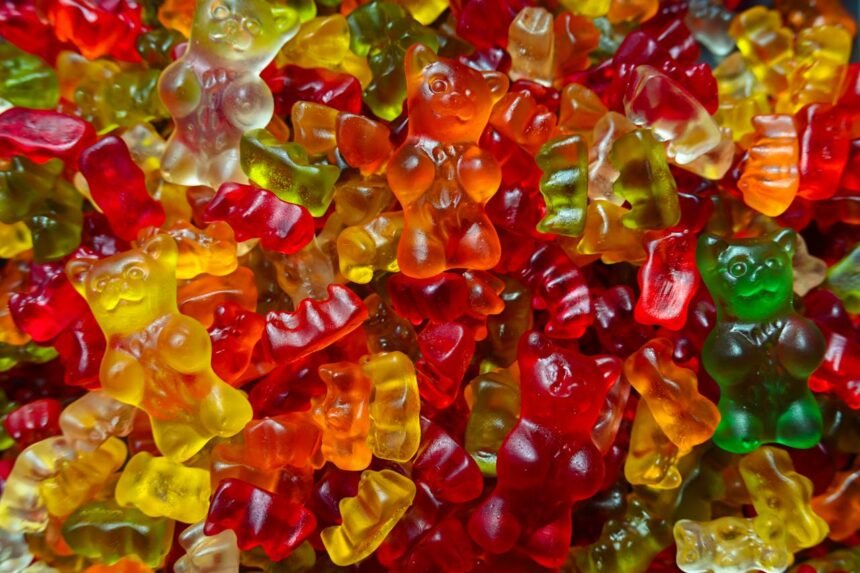
Whether you are planning a large-scale event or simply want to ensure your pantry is never empty, purchasing bulk gummy bears is a savvy way to enjoy these iconic sweets. While they are often associated with childhood nostalgia, the world of wholesale confectionery has evolved significantly. Today, you can find options that cater to various dietary needs, from organic gummy bears to sugar-free alternatives.
In this guide, we will explore the benefits of buying in volume, how to maintain the quality of your treats, and the health considerations you should keep in mind before diving into a multi-kilogram bag of bulk sweets.
Why Buy Bulk Gummy Bears?
There are several practical reasons to consider buying in larger quantities. Beyond the obvious cost savings, purchasing in bulk reduces the frequency of shopping trips and minimises individual plastic packaging, which is a positive step for the environment. According to the Public Health England, being mindful of how we purchase and consume processed foods is essential for long-term wellbeing.
Common uses for large quantities include:
- Party Planning: Creating a vibrant candy buffet for birthdays or corporate events.
- Wedding Favours: Customising wedding favours by snack portioning gummies into small, decorative jars.
- Home Baking: Utilising various gummy bear flavours as decorative toppers for cupcakes or traybakes.
- Business Use: Stocking office breakrooms or retail displays.
Navigating Gummy Bear Varieties
Not all gummies are created equal. When browsing for bulk gummy bears, you will encounter a wide spectrum of textures, sizes, and ingredients. Traditional gummies typically utilise a base of glucose syrup, sugar, and gelatin. However, the rise of conscious consumerism has led to a surge in gelatin-free options suitable for vegans and those following specific religious diets.
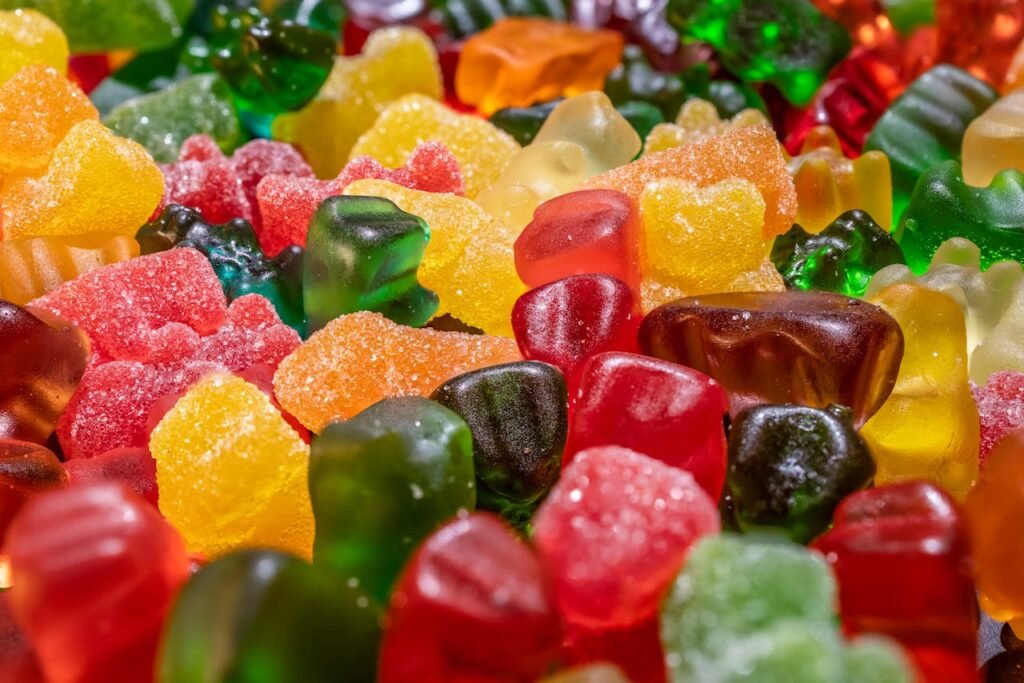
If you are looking for a more “grown-up” version of the classic sweet, you might consider sour gummy bears, which feature a citric acid coating for a tangy kick. Others prefer natural colours derived from fruit and vegetable extracts rather than synthetic dyes, which can be a priority for parents according to the Food Standards Agency.
Comparing Common Gummy Bear Types
Before making a purchase, it is helpful to understand the differences between the various types available on the market. Use the table below to determine which variety suits your needs.
| Gummy Type | Primary Sweetener | Gelling Agent | Best For |
|---|---|---|---|
| Classic | Sugar / Glucose Syrup | Pork or Beef Gelatin | Traditional taste and texture |
| Vegan | Cane Sugar | Pectin or Agar-Agar | Plant-based diets |
| Sugar-Free | Maltitol or Stevia | Gelatin | Diabetic-friendly snacking |
| Organic | Organic Fruit Juice | Gelatin or Pectin | Health-conscious consumers |
Storage and Shelf Life
One of the biggest concerns when buying bulk gummy bears is maintaining their freshness. Because gummies are sensitive to temperature and humidity, proper storage is vital to preserve their chewy texture and prevent them from sticking together. The BBC Good Food guide suggests that dry goods should always be kept in a cool, dark place.
Follow these steps to maximise the shelf life of your sweets:
- Airtight Containers: If your bulk bag does not come with resealable packaging, transfer the bears to a glass or BPA-free plastic container with a tight seal.
- Temperature Control: Store the container in a cupboard away from the oven or direct sunlight. Heat can cause the gelatin to melt, resulting in a single “gummy brick.”
- Avoid Moisture: Humidity is the enemy of the gummy bear. High moisture levels can lead to a sticky exterior or, in extreme cases, mould growth.
Health and Dietary Considerations
While bulk gummy bears are a delightful treat, it is important to consume them in moderation. Most traditional gummies are high in free sugars. The NHS recommends that adults should have no more than 30g of free sugars a day.
Excessive sugar intake has been linked to various health issues, including tooth decay and an increased risk of heart disease, as noted by the British Heart Foundation and the Science Daily reports on sugar and cardiovascular health. Furthermore, the British Dental Association highlights the impact of sticky sweets on dental enamel.
For those managing blood sugar levels, sugar-free alternatives can be a viable option. However, be aware that many sugar-free sweets contain sugar alcohols like maltitol, which can have a laxative effect if consumed in large quantities. This is a common point of discussion on health platforms like the Mayo Clinic and Diabetes UK.
If you have allergies, always check the label for potential cross-contamination. Many confectionery factories handle nuts, dairy, and gluten. Allergy UK provides excellent resources for managing food sensitivities during social events where party planning involves shared bowls of sweets.
Ethical and Specialised Choices
For those following a vegetarian or vegan lifestyle, the use of gelatin is a primary concern. Gelatin is a protein obtained by boiling skin, tendons, ligaments, and/or bones with water, usually from cows or pigs. You can find more information about its production from the Vegetarian Society. Fortunately, the market for gelatin-free options has exploded, with many brands using fruit pectin to achieve a similar chewiness.
Research published in Nature and general dietary guidelines from the World Health Organization emphasise the importance of understanding ingredient lists. This is especially true for gummies containing glucose syrup, which can significantly impact your metabolic health if not monitored. For specific health advice related to diet and medication, always consult the Royal Pharmaceutical Society or your local GP.
Lastly, for a more nutrient-dense treat, some organic gummy bears are fortified with vitamins, though these should never replace whole fruits and vegetables in your diet, a sentiment echoed by Harvard Health.
Frequently Asked Questions (FAQs)
How many gummy bears are in a 1kg bulk bag?
On average, a 1kg bag contains approximately 400 to 500 standard-sized gummy bears. This can vary depending on the density and size of the specific brand you choose.
Can I freeze gummy bears to make them last longer?
While you can freeze them, it is generally not recommended. Freezing can alter the molecular structure of the gelatin or pectin, leading to a strange, grainy texture once thawed. It is better to store them in a cool, dry cupboard.
Are there gluten-free bulk gummy bears?
Yes, many gummy bears are naturally gluten-free as they are made from sugar, syrup, and gelatin. However, some brands use wheat-based glucose syrup or are processed in facilities that handle wheat. Always check the packaging for a certified gluten-free label if you have Coeliac disease.
What is the typical shelf life of wholesale gummy bears?
When stored correctly in an airtight container, most gummy bears will remain fresh for 12 to 18 months. Always check the “Best Before” date provided by the manufacturer on the bulk packaging.