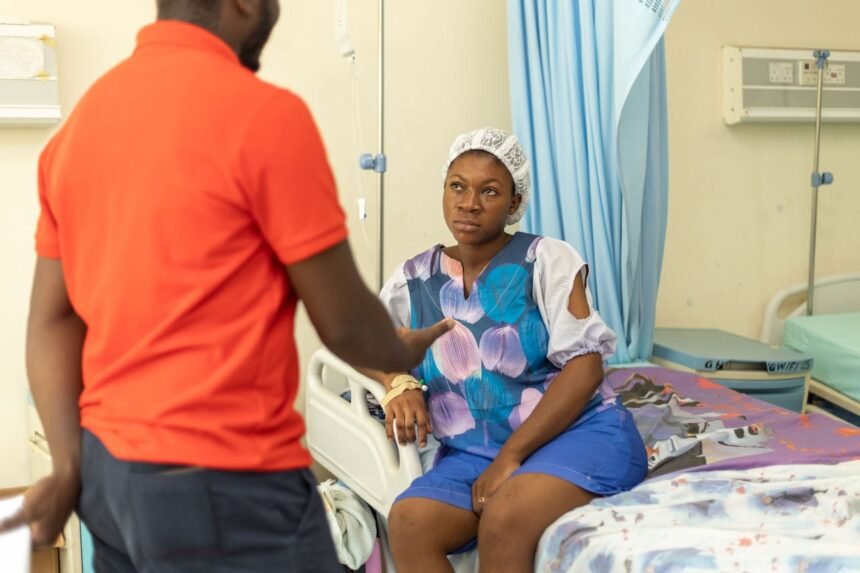
For many of us, the topic of death is often shrouded in silence or clinical coldness. However, a growing movement is changing the way we approach our final chapters. Just as a birth doula supports the entry into life, a death doula provides holistic support and compassionate care for those exiting it. This role, often referred to as an end-of-life doula, focuses on the emotional, spiritual, and physical needs of the dying person and their family.
In a world where medical settings can feel impersonal, the presence of a death doula offers a bridge between clinical medicine and the human experience. By providing non-medical support, these professionals help individuals reclaim their final days, ensuring their wishes are honoured and their transition is peaceful.
What Exactly Does a Death Doula Do?
While doctors and nurses focus on the physical symptoms and palliative care, a death doula addresses the space between the medicine and the soul. They do not perform medical tasks like administering medication or changing bandages. Instead, they act as guides through the complex dying process.
Their role is multi-faceted and adapts to the unique needs of the individual. Some common responsibilities include:
- Emotional support: Helping the individual and their loved ones process the complex feelings of fear, anger, or sadness that arise during end-of-life care.
- Legacy projects: Assisting the person in creating meaningful keepsakes, such as letters, videos, or scrapbooks, to leave behind for future generations.
- Funeral planning: Guiding families through the logistics of funeral planning and exploring alternative options like green burials or home wakes.
- Vigil support: Being present during the final hours to provide a calming influence and ensure the person’s environment is exactly as they wished.
Often referred to as soul midwives or a death midwife, these practitioners bring a sense of sacredness back to a natural biological event. Research published in Nature suggests that psychological preparation can significantly impact the quality of life in one’s final days.
Death Doula vs. Hospice Care: Understanding the Difference
It is important to understand that a death doula does not replace hospice care or hospital staff. Instead, they work alongside medical professionals to provide a more comprehensive layer of compassionate care.
The following table outlines the key differences between clinical end-of-life services and the doula model:
| Feature | Hospice/Medical Care | Death Doula Support |
|---|---|---|
| Primary Focus | Pain management and symptom control. | Emotional, spiritual, and practical support. |
| Medical Tasks | Yes (prescribing medication, clinical checks). | No (strictly non-medical). |
| Duration | Often limited by insurance or shift hours. | Flexible; can be present for extended periods. |
| Planning | Focuses on medical advance directives. | Focuses on legacy projects and personal wishes. |
The Benefits of Holistic End-of-Life Support
Hiring a death doula can significantly reduce the trauma associated with loss. For the individual who is dying, it provides a sense of agency and control. For the family, it offers a guide who can navigate the overwhelming paperwork and emotional weight of bereavement.
According to experts at Psychology Today, having a dedicated support system can mitigate the risk of complicated grief. The doula provides grief support even before the death occurs, helping families have the “hard conversations” that are often avoided.
Assisting with Advance Directives
One of the most practical ways a doula helps is by facilitating the completion of advance directives. These documents outline a person’s preferences for medical treatment if they become unable to communicate. By discussing these early, the death doula ensures that the individual’s values are at the centre of their care plan, a priority often highlighted by Palliative Care Australia.
Creating a Peaceful Vigil
When the final hours approach, a doula provides vigil support. This might involve playing specific music, reading aloud, or simply holding space in silence. Their presence allows family members to focus on being “present” with their loved one rather than worrying about the logistics of the room or the timing of visitors. Organisations like Marie Curie emphasise the importance of a peaceful environment in improving the experience of the dying.
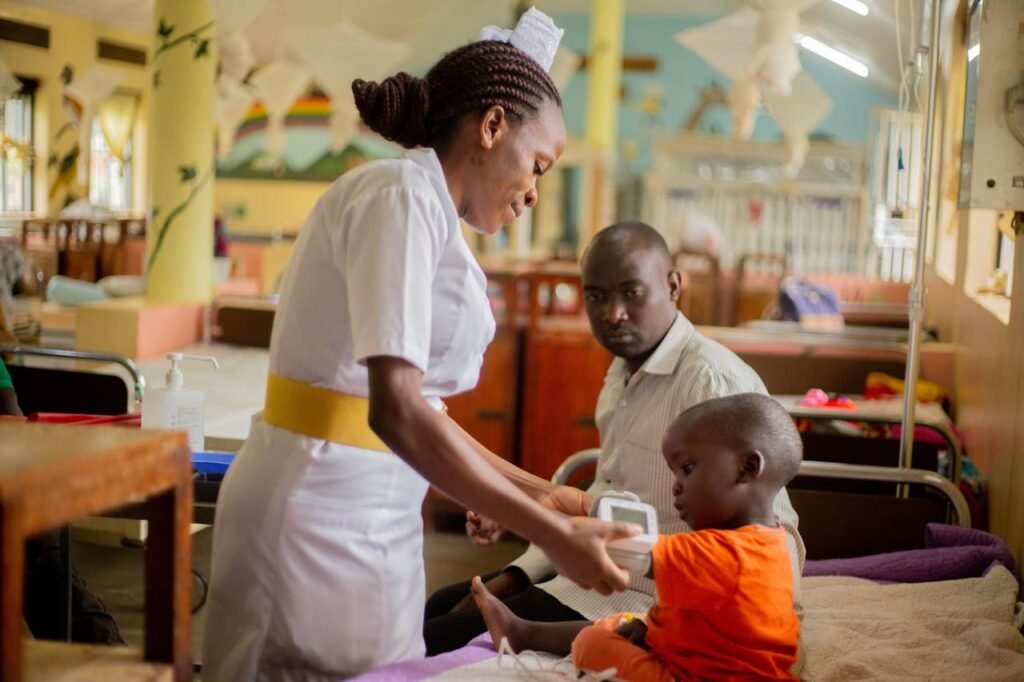
The Rising Popularity of Alternative Death Care
The rise of the death doula coincides with a broader cultural shift toward “death positivity.” People are increasingly looking for ways to make death feel less like a clinical failure and more like a natural transition. This shift is supported by studies in the British Medical Journal, which suggest that patient-centred care at the end of life improves satisfaction for both patients and caregivers.
Whether you are dealing with a terminal diagnosis or simply planning for the future, a death doula offers a unique form of emotional support. They help demystify the dying process and provide a roadmap through one of life’s most challenging journeys. For those facing specific illnesses, such as late-stage cancer, Cancer Research UK and Macmillan Cancer Support provide extensive resources that a doula can help you navigate.
How to Find and Choose a Death Doula
Choosing the right person to accompany you or a loved one during this time is deeply personal. Here is a step-by-step guide to finding the right fit:
- Research Training: While the field is not strictly regulated in the UK, many doulas train with reputable organisations like the Living Well Dying Well programme.
- Interview Multiple Candidates: Ask about their experience with legacy projects and their approach to vigil support.
- Discuss Fees: Ensure you understand their pricing structure, as most work as private practitioners.
- Check Compatibility: Ensure their philosophy on death aligns with your own spiritual or secular beliefs.
Mental health is also a crucial component of this journey. Charites like Mind offer guidance on managing the psychological impact of loss, which a death doula can integrate into their holistic support plan.
As we look toward a future where end-of-life care becomes more personalised, the role of the death doula will likely become even more central to our healthcare landscape. As noted in The Lancet, there is a global need to re-balance our relationship with death, moving away from over-medicalisation and toward a model that values human dignity above all else.
Frequently Asked Questions (FAQs)
Is a death doula the same as a palliative care nurse?
No. A palliative care nurse is a medical professional who manages physical symptoms and medication. A death doula provides non-medical support, focusing on emotional, spiritual, and practical needs. Both roles are complementary and often work together to provide compassionate care.
Do death doulas only help the person who is dying?
While the dying person is the primary focus, a death doula also provides significant grief support and bereavement guidance for the family. They help loved ones navigate the transition and can provide resources through organisations like The Good Grief Trust.
When should you contact a death doula?
You can contact a death doula at any stage—from the moment of a terminal diagnosis to the final days. Some people even hire them years in advance to assist with funeral planning and the creation of advance directives to ensure their future wishes are clear.