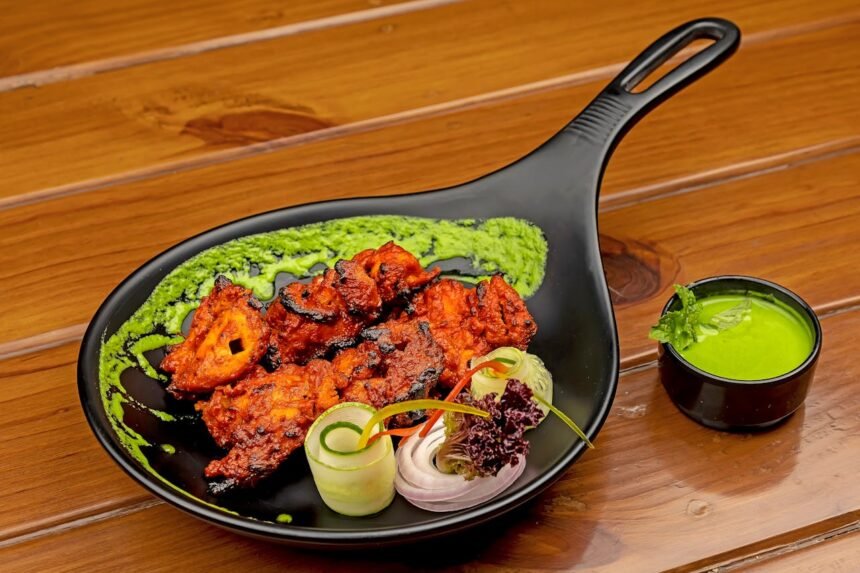
In the evolving landscape of modern nutrition, the Tandoori bowl has emerged as a frontrunner for those seeking a balance between vibrant flavour and physiological well-being. This dish, inspired by the ancient traditions of the clay oven, combines the aromatic depth of Indian street food with the contemporary convenience of a “bowl-style” meal. Whether you are aiming for weight management or simply looking to diversify your palate, this meal offers a symphony of macro and micronutrients.
What Exactly is a Tandoori Bowl?
A Tandoori bowl is a structured, deconstructed version of traditional North Indian cuisine. At its core, it features a protein source—traditionally marinated in a masala marinade—served over a bed of grains, accompanied by fresh vegetables, legumes, and a tangy dressing. Unlike heavy curries, the focus here is on grilled textures and fresh produce, making it a perfect balanced meal according to NHS guidelines.
The magic lies in the marination process. By using a ginger-garlic paste and a blend of heart-healthy spices, the ingredients become tenderized while absorbing high concentrations of antioxidants. This preparation method ensures a low-calorie meal that doesn’t compromise on satisfaction.
The Nutritional Powerhouse: Why Your Body Loves It
The health profile of a Tandoori bowl is impressive. By integrating specific ingredients, you can target various aspects of your health, from gut health to inflammation reduction.
- Anti-Inflammatory Properties: Most recipes utilise turmeric. The turmeric benefits are well-documented by PubMed research, primarily due to curcumin, which helps manage oxidative stress.
- High Protein Content: Whether you choose chicken, paneer, or tofu, this is an ideal addition to a protein-rich diet. EatRight.org highlights protein’s role in muscle repair and satiety.
- Complex Carbohydrates: Using basmati rice or quinoa provides sustained energy release, preventing the blood sugar spikes often associated with refined grains. For more on managing glucose, visit Diabetes UK.
- Digestive Support: The inclusion of a Greek yogurt dressing introduces probiotics, which are essential for maintaining a healthy gut microbiome.
Building Your Bowl: Essential Components
Creating a gluten-free bowl that satisfies requires a strategic approach to layering. To maximise the nutritional density, follow this simple structure:
1. The Base
Choose complex carbohydrates like brown basmati rice, millets, or even a leafy green salad base. These provide the necessary dietary fibre recommended for cardiovascular health.
2. The Protein
This is the star of your Tandoori bowl. Traditional options include chicken thigh or breast, but plant-based options like chickpeas or firm tofu are equally delicious when charred correctly. This makes it an excellent choice for a plant-based options focused lifestyle.
3. The Fresh Elements
Add crunch and vitamins with kachumber salad (cucumber, tomato, and onion). The British Heart Foundation emphasizes the importance of colourful vegetables in reducing the risk of chronic illness.
4. The Dressing
Drizzle with a mint-coriander chutney or a Greek yogurt dressing. This adds creaminess without the saturated fats found in heavy cream sauces.
Protein Comparison for Your Tandoori Bowl
Choosing the right protein is crucial for your specific health goals. The table below compares common choices used in a Tandoori bowl:
| Protein Source | Calories (per 100g) | Protein (g) | Best For |
|---|---|---|---|
| Chicken Breast | 165 | 31 | Lean muscle growth |
| Paneer (Indian Cheese) | 265 | 18 | Calcium intake |
| Chickpeas | 164 | 9 | High fibre & Vegan diets |
| Tofu | 76 | 8 | Low calorie/Heart health |
How to Incorporate Tandoori Bowls into Your Weekly Routine
If you lead a busy lifestyle, meal prep ideas are essential. The components of a Tandoori bowl are incredibly “prep-friendly.” You can marinate your protein and chop your vegetables over the weekend, ensuring you have a heart-healthy meal ready in minutes during the work week.
- Marinate in batches: Use a mix of yogurt, lemon juice, and spices to keep proteins moist for days.
- Cook Grains Ahead: Basmati rice stays fresh in the fridge for up to 3 days when stored correctly. Refer to the Food Standards Agency for guidelines on safe rice storage.
- Keep Sauces Separate: Only add your dressing at the time of consumption to prevent the base from becoming soggy.
Studies suggest that home-prepared meals are generally lower in sodium and sugar. According to Harvard Health, regular home cooking is associated with a higher quality diet.
The Psychology of the Bowl
Food isn’t just fuel; it’s also about mental satisfaction. The vibrant colour and variety of textures in a Tandoori bowl can improve your relationship with food. Mind.org.uk highlights how a nutritious diet can positively impact your mood and energy levels.
Furthermore, spices like ginger and cinnamon found in tandoori blends are often cited for their potential antioxidant benefits. WebMD notes that these spices can do more than just add flavour; they may offer protective health benefits against systemic inflammation, as supported by Medical News Today.
Frequently Asked Questions (FAQs)
Is a Tandoori bowl suitable for weight loss?
Yes. Because it prioritises lean protein and high-fibre vegetables while limiting heavy creams and sugars, it is an excellent low-calorie meal option. For personalised advice, check Healthline’s weight loss guides.
Can I make a vegan Tandoori bowl?
Absolutely. Swap the yogurt in the marinade for a plant-based alternative (like soy or coconut yogurt) and utilise chickpeas, tofu, or tempeh as your primary protein. It remains a protein-rich diet choice even without meat.
What makes Tandoori spice unique?
Tandoori spice usually contains a blend of Kashmiri chilli (for colour without extreme heat), cumin, coriander, and amchur (dried mango powder). It provides a complex flavour profile that stimulates the senses without the need for excessive salt.
In summary, the Tandoori bowl is more than just a culinary trend. It is a functional, customisable, and delicious way to nourish your body while enjoying the rich heritage of Indian flavours. By focusing on whole ingredients and traditional cooking techniques, you can transform your daily lunch into a health-boosting experience.