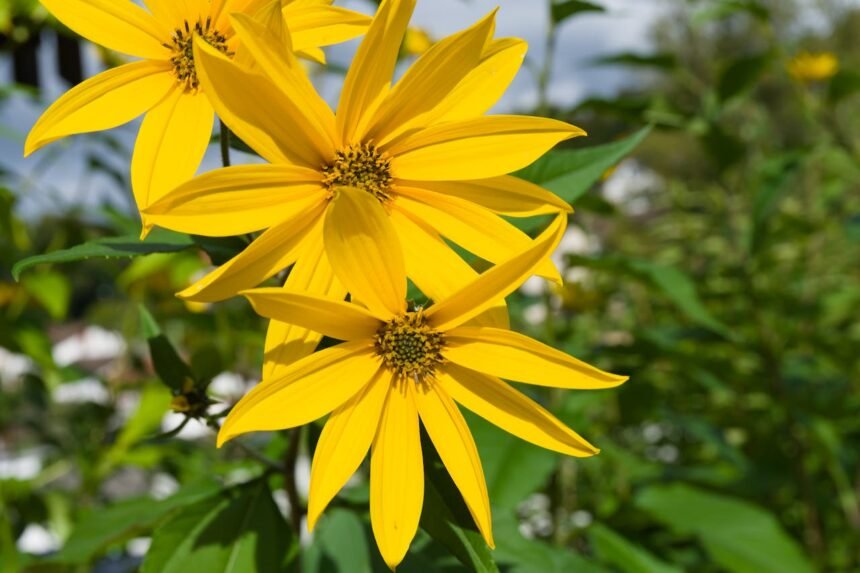
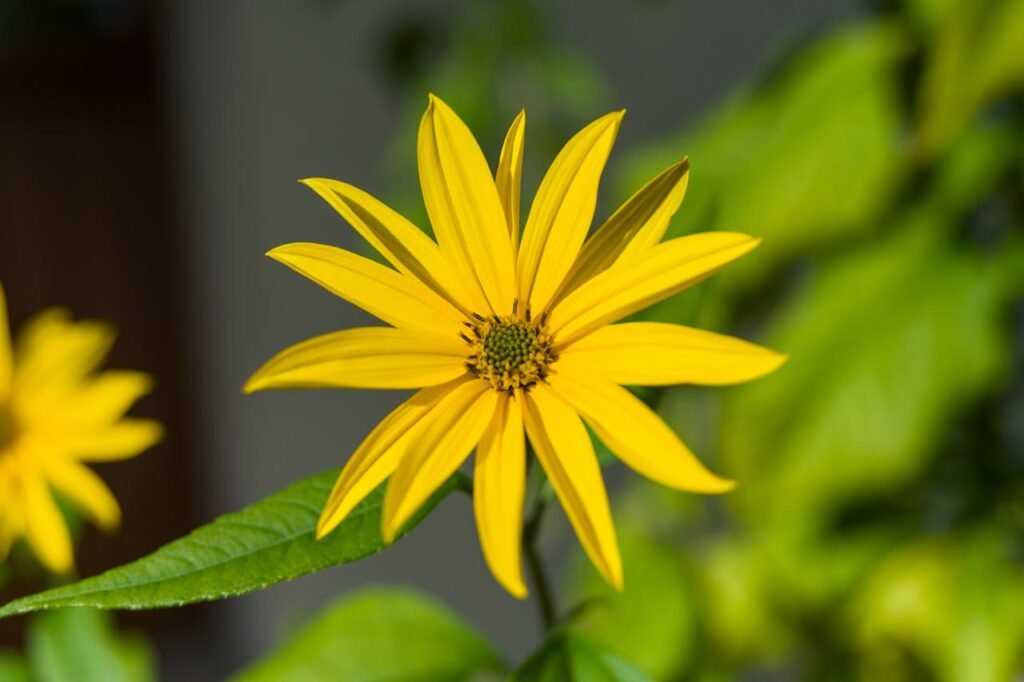
Often overlooked in the produce aisle, the sunchoke—also known as the Jerusalem artichoke—is a culinary gem waiting to be discovered. These knobby tubers are actually the roots of a species of sunflower, Helianthus tuberosus. Despite the name, they have no relation to Jerusalem or traditional globe artichokes, though they do share a subtle, nutty flavour.
Whether you are a seasoned chef or a home cook looking to diversify your winter root vegetables, mastering a few sunchoke recipes can transform your seasonal menus. Not only do they offer a unique earthy taste, but they are also packed with significant health benefits, particularly for your gut microbiome.
Why You Should Start Cooking with Sunchokes
Sunchokes are nutritional powerhouses. They are famous for their high inulin content, a type of prebiotic fiber that feeds the beneficial bacteria in your digestive system. Research published in Nature suggests that maintaining a diverse microbiome is essential for overall health.
Additionally, sunchokes have a low glycemic index, making them an excellent alternative to potatoes for those monitoring their blood sugar levels. According to Diabetes UK, choosing low-GI starchy foods can help manage energy levels more effectively throughout the day.
Health Benefits at a Glance
- Iron Rich: They contain more iron than many other tubers, supporting oxygen transport in the blood (NIH).
- High Potassium: Crucial for heart health and maintaining healthy blood pressure (American Heart Association).
- Digestive Support: The inulin acts as a fertiliser for the gut (Academy of Nutrition and Dietetics).
Sunchokes vs. Potatoes: A Comparison
While they can often be used interchangeably in recipes, sunchokes and potatoes have distinct nutritional profiles. Use the table below to see how they stack up.
| Nutrient (per 100g) | Sunchokes (Raw) | White Potato (Raw) |
|---|---|---|
| Calories | 73 kcal | 77 kcal |
| Carbohydrates | 17g | 17g |
| Fiber | 1.6g (mostly inulin) | 2.2g |
| Glycemic Index | Low (approx. 11) | High (approx. 80+) |
| Iron | 3.4 mg | 0.8 mg |
For more details on carbohydrate quality, refer to the Harvard T.H. Chan School of Public Health.
Top 3 Essential Sunchoke Recipes
When cooking with sunchokes, the goal is to highlight their natural sweetness. Because they have thin skins, you don’t even need to peel them—just give them a good scrub with a vegetable brush to remove any grit from their crevices.
1. Simple Roasted Sunchokes
Roasted sunchokes are perhaps the easiest way to enjoy this vegetable. When roasted at high heat, the insides become creamy while the skins get crispy and caramelised.
- Preheat your oven to 200°C (400°F).
- Scrub 500g of sunchokes and slice them into 1cm rounds.
- Toss with olive oil, sea salt, black pepper, and a sprig of fresh rosemary.
- Spread in a single layer on a baking sheet.
- Roast for 20-25 minutes until golden brown and tender.
Check out the Royal Horticultural Society (RHS) for tips on sourcing the freshest seasonal tubers.
2. Creamy Sunchoke Soup
A silky sunchoke soup is a sophisticated starter for any dinner party. Its texture is naturally velvety without needing excessive amounts of cream.
To prepare, sauté diced onions and garlic in butter. Add chopped sunchokes and a peeled potato for extra body. Cover with high-quality vegetable stock and simmer until soft. Blend until smooth and finish with a squeeze of lemon juice to balance the richness. For a professional touch, garnish with a drizzle of truffle oil.
3. Crispy Sunchoke Chips
If you are looking for a healthier alternative to traditional crisps, sunchoke chips are the answer. Use a mandoline to slice the tubers paper-thin. Fry them briefly in neutral oil or bake them at a low temperature until dehydrated and crunchy. They make a fantastic snack or a garnish for salads.
A Note on Digestion: Avoiding the “Fartichoke”
While the inulin in sunchokes is excellent for your digestive health, it can cause digestion issues like gas or bloating in some people—earning them the nickname “fartichokes.” This occurs because the bacteria in your gut ferment the inulin rapidly.
To minimize discomfort, the American Gastroenterological Association suggests introducing high-fiber foods slowly. You can also try boiling sunchokes with a bit of lemon juice or vinegar, which may help break down some of the complex sugars before they reach your colon.
Choosing and Storing Jerusalem Artichokes
When shopping, look for sunchokes that are firm to the touch and free from soft spots or sprouts. They should feel heavy for their size. Store them in a cool, dark, and dry place—the vegetable drawer of your fridge is ideal. According to BBC Good Food, they can last up to two weeks if kept properly.
For more scientific insights into the health properties of these tubers, you can explore detailed profiles on Healthline or read about the starch structure at the British Nutrition Foundation.
Frequently Asked Questions (FAQs)
Do you have to peel sunchokes?
No, you do not need to peel them. The skins are perfectly edible and contain extra nutrients. However, because they are knobby, ensure you scrub them thoroughly under running water to remove all soil.
Can you eat sunchokes raw?
Yes! Raw sunchokes have a crunchy texture similar to water chestnuts or jicama. They can be thinly shaved into salads for a fresh, nutty bite. Just be aware that raw sunchokes contain the highest concentration of inulin, which may increase gas.
How do I stop sunchokes from turning brown?
Like apples or potatoes, sunchokes oxidise when exposed to air. To prevent browning after slicing, place them in a bowl of water with a splash of lemon juice or white vinegar until you are ready to cook them.
Are sunchokes suitable for a keto diet?
While they are lower in net carbs than potatoes due to their high fiber content, they still contain carbohydrates. If you are on a strict ketogenic diet, consume them in moderation. You can find more information on fiber and carb counting at the Mayo Clinic.
For further reading on the fermentation of inulin in the human gut, refer to this study on PubMed.