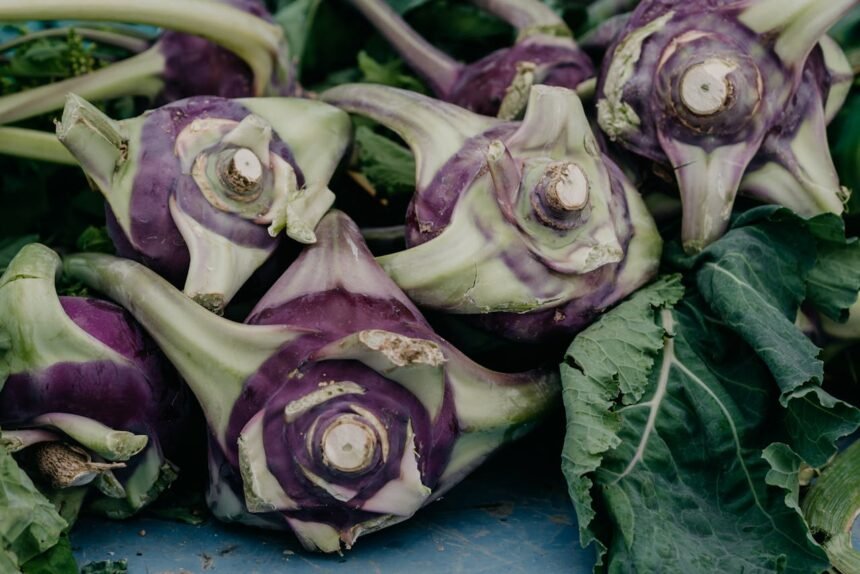
If you have ever wandered through a farmers’ market and spotted a strange, alien-looking bulb with stems sprouting out like antennae, you have likely met kohlrabi. Often overlooked in favour of its cousins—broccoli and kale—this crucial vegetable is a powerhouse of wellness. But what exactly does kohlrabi nutrition offer your body, and why should it earn a permanent spot in your crisper drawer?
Belonging to the Brassica family, kohlrabi (Brassica oleracea Gongylodes group) is essentially a “German turnip”. Despite its name, it is not a root vegetable; it is actually a swollen stem that grows above ground. It has a crisp texture similar to a water chestnut and a sweet, peppery flavour that works beautifully in both raw and cooked dishes.
The Impressive Breakdown of Kohlrabi Nutrition
Kohlrabi is a nutrient-dense food, meaning it provides a high amount of vitamins and minerals for very few calories. It is an excellent choice for anyone looking for a low-calorie food that does not sacrifice volume or satisfaction. According to data from the USDA FoodData Central, one cup (135 grams) of raw kohlrabi provides approximately:
| Nutrient | Amount per 135g (Raw) | % Daily Value (DV) |
|---|---|---|
| Calories | 36 kcal | 2% |
| Carbohydrates | 8g | 3% |
| Dietary Fibre | 5g | 18% |
| Vitamin C | 84mg | 93% |
| Vitamin B6 | 0.2mg | 12% |
| Potassium | 472mg | 10% |
As you can see, the vitamin C levels in kohlrabi are particularly striking. Just one serving provides nearly your entire daily requirement, which is essential for collagen synthesis and immune system support.
Top 5 Health Benefits of Kohlrabi
1. Exceptional Antioxidant Properties
Kohlrabi is rich in a wide array of compounds with antioxidant properties, including vitamin C, anthocyanins (in purple varieties), and isothiocyanates. These compounds help protect your cells against oxidative stress, which is linked to chronic conditions like heart disease. Research published in Nature suggests that diets rich in plant-based antioxidants can significantly lower inflammation markers.
2. Supports Gut Health
High in both soluble and insoluble dietary fibre, kohlrabi is a win for your digestive system. Insoluble fibre adds bulk to your stool, preventing constipation, while soluble fibre acts as a prebiotic for your “good” gut bacteria. Maintaining gut health is crucial not just for digestion, but also for mental clarity and weight management. You can find more about fibre’s role in health via the NHS Live Well guide.
3. May Reduce Heart Disease Risk
The mineral content of kohlrabi, specifically its role as a potent potassium source, helps regulate blood pressure. Potassium eases tension in your blood vessel walls and helps your body excrete excess sodium. The American Heart Association highlights the importance of potassium in managing hypertension.
4. Cancer-Fighting Potential
Like all members of the cabbage family, kohlrabi contains glucosinolates. These sulfur-containing compounds break down into indoles and isothiocyanates. According to the National Cancer Institute, these substances have shown promise in protecting cells from DNA damage and inhibiting tumour growth in laboratory studies.
5. Boosts Your Immune System
Beyond vitamin C, kohlrabi provides vitamin B6, which is necessary for protein metabolism and red blood cell production. It also plays a vital role in biochemical reactions within the immune system. For more on supporting your body’s natural defences, visit the British Dietetic Association (BDA).
Healthy Recipe Ideas: How to Enjoy Kohlrabi
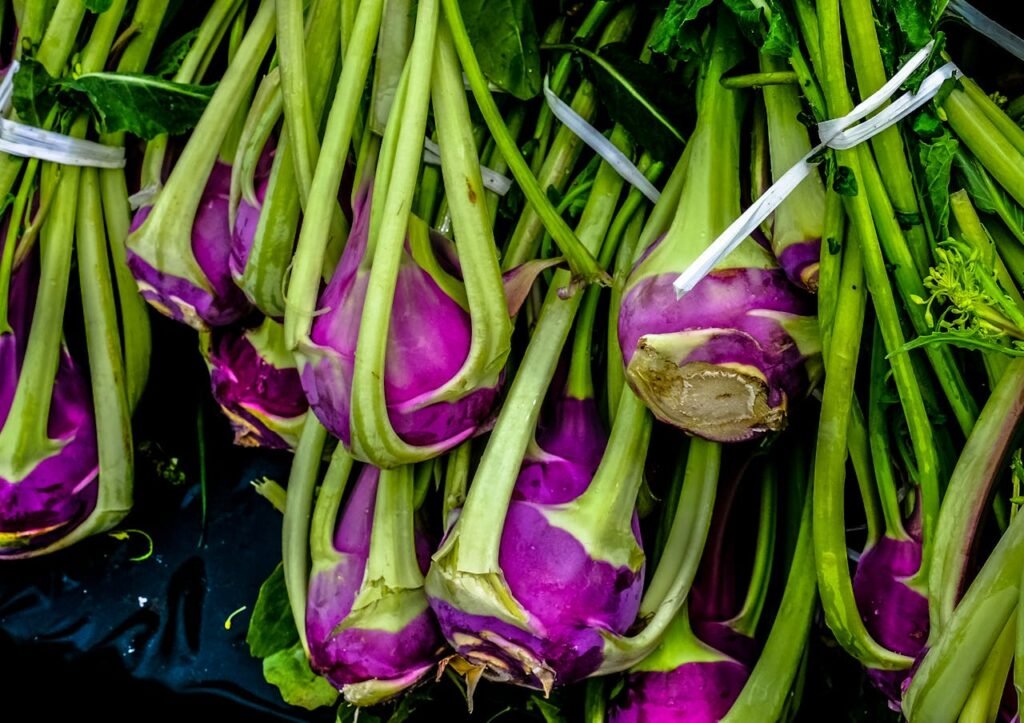
Don’t let the intimidating exterior fool you. Once you peel away the tough, fibrous skin (usually with a sharp knife or a heavy-duty peeler), the inside is tender and versatile. Here are a few ways to utilise it:
- Slaws and Salads: Use raw kohlrabi matchsticks in place of cabbage for a crunchy, refreshing summer salad.
- Roasted Kohlrabi: Tossing cubes in olive oil, garlic, and sea salt and roasting until caramelised brings out its natural sweetness. Roasted kohlrabi is an excellent low-carb alternative to potatoes.
- Soups: Puree it into a creamy vegetable soup for added depth without the need for heavy cream.
- Stir-fries: Its crunch holds up remarkably well under high heat.
For more inspiration, check out the Diabetes UK recipe resources for balanced meal planning.
Things to Consider
While kohlrabi nutrition is overwhelmingly positive, there are a few things to keep in mind. Some people with thyroid issues may need to monitor their intake of cruciferous vegetables due to goitrogens, though this is rarely an issue when the vegetables are cooked. If you are following a specific medical diet, consult a professional at the Mayo Clinic or your local GP.
Additionally, those increasing their dietary fibre intake should do so gradually and drink plenty of water to avoid bloating. For detailed fibre recommendations, visit The British Nutrition Foundation.
The Bottom Line
Kohlrabi is a versatile, nutrient-dense gem that deserves more attention in the modern kitchen. From its high vitamin C levels to its heart-healthy potassium source, it offers a diverse range of health benefits. Whether you enjoy it as a snack or as roasted kohlrabi alongside your Sunday roast, your body will thank you for the extra boost of glucosinolates and fibre.
Frequently Asked Questions (FAQs)
Is kohlrabi a root vegetable?
No, despite its appearance, kohlrabi is a modified stem that grows above the ground. It is part of the Brassica family, which includes broccoli and cauliflower. You can learn more about its botanical structure through ScienceDirect.
Can you eat kohlrabi leaves?
Yes! The leaves are entirely edible and packed with mineral content. They can be sautéed like kale or spinach. This makes kohlrabi a zero-waste vegetable option for those focusing on sustainability, as noted by Healthdirect.
Is kohlrabi good for weight loss?
Absolutely. Because it is a low-calorie food high in water and fibre, it helps you feel full for longer. Integrating it into your diet is one of many great healthy recipe ideas for weight management. Expert advice on weight loss can be found at NHS Weight Loss.
What is the best way to store kohlrabi?
Remove the leaves and store the bulb in the refrigerator crisper drawer. It will stay fresh for several weeks. For more storage tips, refer to the World Health Design guides on fresh produce longevity.
For more deep dives into the benefits of cruciferous vegetables, visit the National Institutes of Health (NIH).