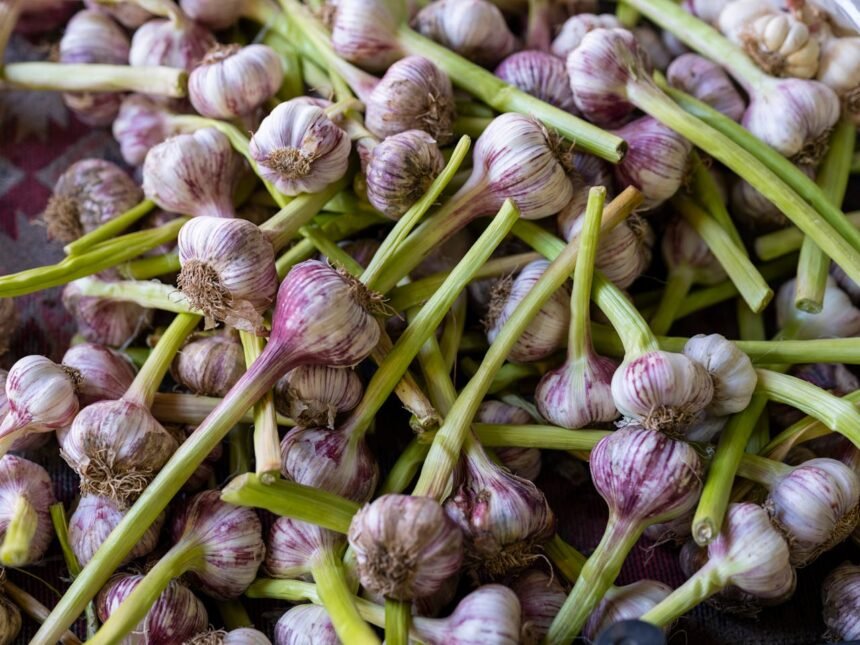
If you have ever wandered through a farmers’ market in early summer, you may have spotted bundles of long, curly, vibrant green stalks that look more like an ornamental plant than a vegetable. These are Garlic scapes. Often overlooked in favour of the pungent bulb below ground, these edible stalks are a culinary treasure with a wealth of health benefits.
Garlic scapes are the flowering stems that grow from hardneck garlic plants. Farmers typically remove them to encourage the plant to direct its energy into growing a larger bulb. However, what was once considered a gardening byproduct has become a sought-after seasonal produce item for foodies and health enthusiasts alike. They offer a mild flavour that sits somewhere between a spring onion and a traditional garlic clove, making them incredibly versatile in the kitchen.
The Nutritional Powerhouse: Why Your Body Loves Garlic Scapes
Much like the garlic bulbs we know and love, garlic scapes are packed with nutrients that support long-term wellness. They are particularly rich in vitamin C, which is essential for skin health and immune system function. According to the NHS, vitamin C also helps protect cells and keeps them healthy.
Beyond vitamins, these green curls are loaded with antioxidants. These compounds help neutralise oxidative stress in the body, which is linked to chronic diseases. Research published in Nature suggests that the organosulfur compounds found in Allium vegetables like garlic may have significant health-protective properties. Incorporating these into your vegetable garden or diet can be a delicious way to boost your nutrient intake.
Key nutritional highlights include:
- High Fibre Content: Excellent for digestive health and maintaining a healthy weight.
- Organosulfur Compounds: Known for their potential anti-inflammatory effects, as noted by Arthritis Foundation.
- Manganese: A mineral vital for bone health and metabolism.
How Garlic Scapes Compare to Garlic Bulbs
While they come from the same plant, scapes and bulbs offer different culinary experiences and nutritional densities. Understanding these differences can help you utilise them more effectively in your cooking tips and meal planning.
| Feature | Garlic Scapes | Garlic Bulbs |
|---|---|---|
| Flavour Profile | Mild, fresh, and slightly sweet | Pungent, sharp, and spicy |
| Texture | Crunchy, similar to asparagus | Firm and dense |
| Seasonality | Short window in early summer | Available year-round (cured) |
| Primary Nutrients | High in chlorophyll and Vitamin K | High in Allicin and Selenium |
Top 5 Health Benefits of Garlic Scapes
1. Supports Heart Health
Allicin, the active compound in garlic, is also present in scapes. Studies highlighted by The American Heart Association suggest that garlic consumption may help manage blood pressure and cholesterol levels, contributing to overall heart health.
2. Potent Anti-inflammatory Properties
Inflammation is the root of many modern ailments. Garlic scapes contain phytochemicals that can help reduce inflammation markers in the blood. You can find more about the role of phytochemicals in disease prevention via The American Cancer Society.
3. Natural Immune Support
With a high concentration of antioxidants and micronutrients, garlic scapes act as a natural booster for your body’s defences. The World Health Organization (WHO) emphasises the importance of a diverse diet rich in vegetables to maintain a robust immune response.
4. Digestive Health and Prebiotic Fibre
Garlic scapes are a source of prebiotic fibre. These fibres feed the “good” bacteria in your gut, which is crucial for digestion and even mental health. As Diabetes UK points out, high-fibre diets are essential for stabilising blood sugar levels.
5. Detoxification Support
The sulphur compounds in garlic scapes aid the liver in its natural detoxification processes. According to WebMD, these compounds help the body eliminate heavy metals and other toxins effectively.
Culinary Uses: How to Cook with Garlic Scapes
The beauty of garlic scapes lies in their flexibility. They can be treated like a vegetable or one of your favourite culinary herbs. If you enjoy raw garlic scapes, they add a wonderful “zing” to salads when finely sliced.
Here are some popular culinary uses:
- Garlic Scape Pesto: Blend scapes with pine nuts, parmesan, olive oil, and lemon juice for a vibrant green sauce. Check out BBC Good Food for pesto inspiration.
- Stir-frying: Chop them into 2-inch pieces and toss them into a hot wok. They retain their crunch beautifully.
- Grilling: Brush them with oil and a pinch of salt, then grill until charred for a smoky summer side dish.
- Pickling: Preserve their mild flavour by pickling them in vinegar and spices.
For those growing their own at home, the Royal Horticultural Society (RHS) provides excellent guidance on when to harvest to ensure the best texture.
Storage and Selection
When buying or harvesting, look for scapes that are bright green and firm. Avoid those that look yellow or feel woody. To keep them fresh, store them in a perforated bag in the vegetable drawer of your fridge. According to Gardeners’ World, they can last for up to three weeks if stored properly.
If you have an abundance, you can also freeze them. Simply blanch them for 30 seconds, plunge them into ice water, dry them thoroughly, and store them in a freezer-safe bag. This ensures you have seasonal produce available even in the depths of winter.
Frequently Asked Questions (FAQs)
Can you eat the flower bulb at the end of the garlic scape?
Yes, the entire scape is edible! However, the bulbous part at the end can sometimes become tough or “stringy” as it matures. Many people prefer to use the tender stalk and discard the very tip if it feels woody.
Do garlic scapes give you “garlic breath”?
While they are much milder than garlic cloves, they do contain the same sulphur compounds. You may notice a slight lingering scent, but it is significantly less intense than what you would experience after eating raw garlic scapes or cloves.
Are garlic scapes low FODMAP?
Unfortunately, like regular garlic, scapes are high in fructans. Those following a strict low FODMAP diet for IBS should exercise caution. For more information on FODMAPs, visit Harvard Health.
Where can I find garlic scapes if I don’t grow them?
Because they have a very short harvest window (usually June and July), they are rarely found in major supermarkets. Your best bet is to visit local farmers’ markets, join a CSA (Community Supported Agriculture) scheme, or check speciality organic grocers.
Can I use garlic scapes as a substitute for garlic cloves?
Absolutely. Use a ratio of about 3 scapes for every 1 clove of garlic required in a recipe. This will provide a similar aromatic base but with a fresher, greener colour and profile.
For more detailed scientific data on the benefits of Allium vegetables, you can browse the PubMed database for clinical trials on garlic and its derivatives. Whether you are looking to improve your immune system or simply want to try something new in the kitchen, garlic scapes are a nutritional and culinary win.