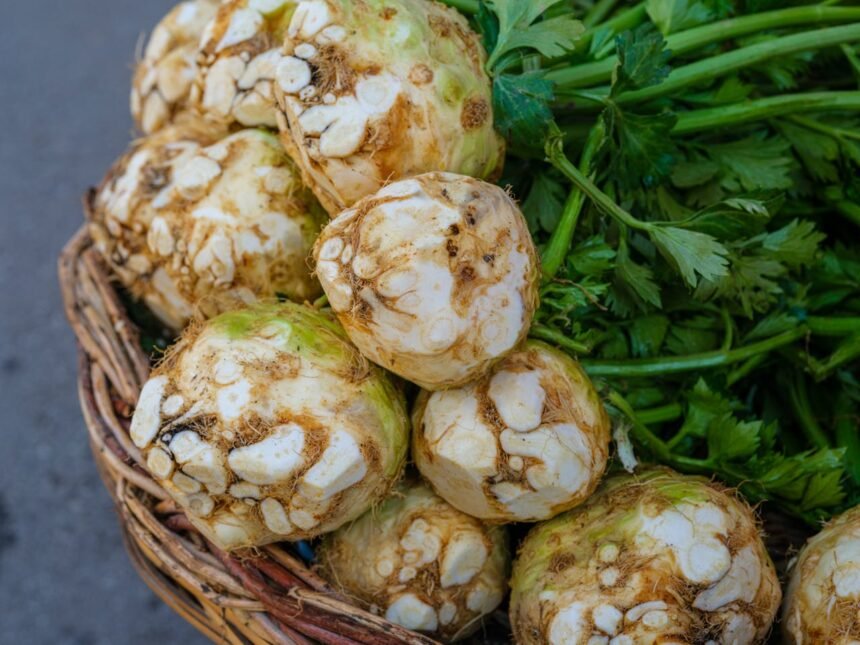
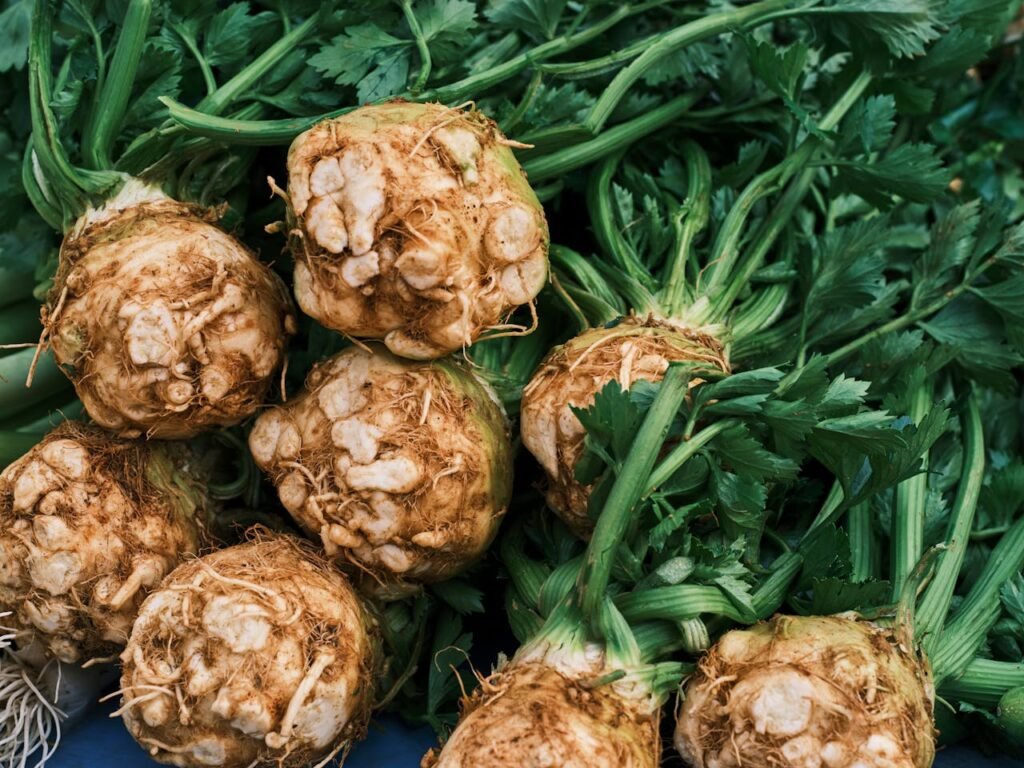
If you have ever wandered through the produce section and spotted a gnarled, knobby, and somewhat dusty-looking bulb, you have likely encountered celeriac root. While it may not win any beauty pageants, this powerhouse root vegetable is a culinary gem that hides a world of creamy texture and nutty flavour beneath its rough exterior.
Known scientifically as Apium graveolens var. rapaceum, celeriac is often called celery root. Unlike standard celery, which is grown for its crunchy stalks, celeriac is cultivated specifically for its large, subterranean hypocotyl. In this guide, we will explore why you should welcome this “ugly duckling” into your kitchen, its impressive health benefits, and how to master its preparation.
What is Celeriac Root?
Celeriac is one of the most versatile winter vegetables in the European kitchen. Despite its name, it isn’t the root of the celery stalks you find in a salad. Instead, it is a closely related botanical cousin. When peeled, the ivory flesh offers a subtle cross between celery and parsley, with a hint of hazelnut.
Because it is a low-calorie food that is exceptionally dense in nutrients, it has become a favourite among those seeking a low carb potato alternative. Whether you are interested in roasting, mashing, or eating it raw, this vegetable provides a sophisticated depth to any meal.
Nutritional Profile of Celeriac Root
Don’t let the rugged skin fool you; celeriac root is packed with essential vitamins and minerals. It is particularly noted for its high concentrations of Vitamin K, which is vital for bone metabolism and blood clotting. According to data from Nutrition Value, 100 grams of raw celeriac provides a significant portion of your daily requirements.
| Nutrient (per 100g) | Celeriac Root | White Potato |
|---|---|---|
| Calories | 42 kcal | 77 kcal |
| Carbohydrates | 9.2g | 17.5g |
| Dietary Fibre | 1.8g | 2.2g |
| Potassium | 300mg | 421mg |
| Vitamin C | 8mg | 19.7mg |
Top Health Benefits of Celeriac Root
Incorporating celeriac into your diet offers more than just a flavour boost. Research suggests that the specific compounds found in this vegetable can significantly impact your long-term wellness.
1. Supports Bone Health
One of the standout features of celeriac is its Vitamin K content. This fat-soluble vitamin helps with calcium absorption and maintains bone density. Experts at Healthline note that adequate Vitamin K intake is essential for reducing the risk of fractures as we age.
2. Promotes Digestive Wellness
Because it is rich in dietary fibre, celeriac is an excellent choice for maintaining gut health. Fibre acts as a prebiotic, feeding the beneficial bacteria in your microbiome. A healthy gut is linked to improved immunity and even better mental health, as highlighted by studies in Nature.
3. Heart-Healthy Properties
Celeriac is a good source of potassium, a mineral that helps regulate blood pressure by counteracting the effects of sodium. The American Heart Association recommends potassium-rich foods to help manage hypertension and reduce the risk of stroke.
4. Rich in Antioxidants
Like many winter vegetables, celeriac contains various antioxidants, including Vitamin C and manganese. These compounds help combat oxidative stress and inflammation in the body. According to Medical News Today, a diet high in antioxidants may help lower the risk of chronic diseases such as type 2 diabetes and certain cancers.
How to Prepare and Cook Celeriac Root
Many people avoid celeriac root because they are unsure how to tackle its tough, hairy exterior. However, once you learn the technique, it is no more difficult than preparing a butternut squash.
- Trim the ends: Use a sharp chef’s knife to slice off the top and the bottom of the bulb so it sits flat on your chopping board.
- Peel the skin: While you can use a vegetable peeler, a knife is often more effective. Slice downwards following the curve of the root to remove the thick skin.
- Wash: Once peeled, give the ivory flesh a quick rinse to remove any lingering dirt.
- Prevent browning: Celeriac oxidises quickly. If you aren’t cooking it immediately, submerge the pieces in a bowl of water with a squeeze of lemon juice.
For those looking for culinary inspiration, BBC Good Food offers a wide range of recipes, from creamy soups to crispy remoulades.
Popular Cooking Methods
- Mashing: Boil chunks of celeriac with a clove of garlic until tender, then mash with a splash of olive oil for a low carb alternative to mashed potatoes.
- Roasting: Toss cubes with rosemary and thyme. Roasting caramelises the natural sugars, bringing out a deep sweetness.
- Raw: Grate it finely and mix with mustard, lemon, and mayonnaise to create the classic French dish, Celeriac Remoulade.
Weight Loss and Blood Sugar Management
If you are managing your weight or living with diabetes, celeriac is a “smart carb.” It has a lower glycaemic index compared to traditional starchy vegetables. Diabetes UK suggests choosing high-fibre, lower-carbohydrate vegetables to help maintain stable blood glucose levels.
Furthermore, its high water content and fibre make it very satiating, helping you feel fuller for longer. This is a key strategy recommended by the Mayo Clinic for healthy weight management.
Potential Side Effects and Considerations
While celeriac root is safe for most people, those with a known celery allergy should exercise caution, as cross-reactivity is common. Additionally, because it is high in Vitamin K, individuals on blood-thinning medications like Warfarin should consult their GP to ensure their intake remains consistent. You can find more information on medication interactions at the NHS website.
The Bottom Line
Celeriac root is a nutritional powerhouse that deserves a spot in your weekly shop. It is versatile, delicious, and offers a unique flavour profile that elevates simple home cooking. By choosing this root vegetable, you are not only diversifying your palate but also supporting your gut health, bones, and heart.
Next time you see this knobby bulb at the farmers’ market, don’t pass it by. Embrace the exterior and enjoy the incredible benefits hidden within.
Frequently Asked Questions (FAQs)
Can you eat the skin of celeriac root?
Technically, the skin is edible if scrubbed very thoroughly, but it is generally recommended to peel it. The skin is often tough, fibrous, and can trap a significant amount of soil in its crevices, which affects the texture and taste of your dish.
Is celeriac better for you than potato?
It depends on your dietary goals. Celeriac is lower in calories and carbohydrates, making it better for low carb diets. However, potatoes are higher in certain vitamins like B6. For a balanced diet, it is often best to utilise both in rotation. You can find comparative studies on vegetable nutrients in the Journal of Food Science.
How long does celeriac stay fresh?
Celeriac is incredibly hardy. If stored in the vegetable drawer of your fridge, it can stay fresh for up to three weeks. If you have already peeled it, store it in an airtight container with a little lemon water and consume it within two to three days.
Can I grow celeriac at home?
Yes! Celeriac requires a long growing season and plenty of moisture. According to the Royal Horticultural Society (RHS), it is best sown indoors in early spring before being transplanted outside once the frost has passed.
Is celeriac keto-friendly?
While it contains more carbs than leafy greens, celeriac is often considered keto-friendly in moderation. It contains approximately 7g of net carbs per 100g, which is significantly lower than the 15g+ found in potatoes. For more on keto-friendly vegetables, visit WebMD.
For more detailed scientific analyses of root vegetables and their impact on health, you can browse extensive peer-reviewed literature on ScienceDirect and Harvard Health.