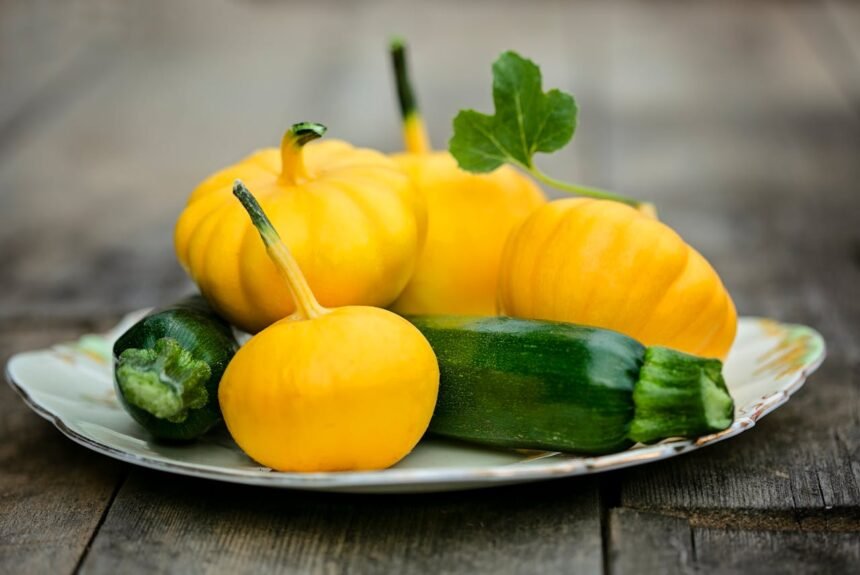
If you have ever strolled through a farmers’ market during the warmer months and spotted a vegetable that looks remarkably like a small flying saucer, you have likely encountered the Pattypan squash. Known for its whimsical shape and buttery texture, this member of the summer squash varieties is much more than just a decorative curiosity. It is a nutritional powerhouse that can elevate your seasonal cooking.
In this guide, we will explore everything you need to know about Pattypan squash, from its impressive health credentials to the best ways to prepare it in your own kitchen.
What is Pattypan Squash?
Often referred to as scallop squash due to its beautiful, ruffled edges, the Pattypan squash comes in a range of vibrant colours, including pale green, bright white, and golden yellow. The most common commercial type is often the sunburst squash, a bright yellow variety with a tiny green ring at the blossom end.
Unlike winter squashes, which have hard rinds and require long cooking times, pattypan is harvested while immature. This means it has a tender, edible skin and delicate seeds, making it incredibly easy to prepare. Whether you are a seasoned chef or a home cook, the versatility of this vegetable makes it a must-have during the summer harvest.
The Nutritional Profile of Pattypan Squash
When looking at the nutritional profile of this vegetable, it is clear why health experts recommend it. Like most NHS-recommended 5-a-day vegetables, it is incredibly low in calories but high in essential micronutrients.
A single cup of cooked pattypan squash provides a wealth of vitamins and minerals without adding a significant caloric load to your meal. Here is a breakdown of what makes it so healthy:
- Vitamin C content: Crucial for immune function and skin health, helping to synthesise collagen.
- Dietary fibre: Essential for maintaining a healthy digestive tract and supporting weight management.
- Potassium: A key mineral that helps regulate blood pressure and fluid balance.
- Magnesium: Important for over 300 biochemical reactions in the body.
Comparing Summer Squashes
How does the Pattypan squash stack up against its more famous cousins? Let’s take a look at the data derived from the USDA National Nutrient Database.
| Squash Variety | Primary Flavour Profile | Best Cooking Method | Skin Texture |
|---|---|---|---|
| Pattypan | Buttery, slightly nutty | Roasting, Stuffing, Grilling | Tender and thin |
| Zucchini (Courgette) | Mild, watery | Sautéing, Spiralising | Soft |
| Yellow Crookneck | Sweet, mild | Steaming, Frying | Slightly bumpy |
Health Benefits: Why You Should Eat More Pattypan
Integrating low-calorie vegetables into your diet is one of the simplest ways to improve your long-term health. The Pattypan squash offers several specific benefits that make it a standout choice.
1. Supports Eye Health
Pattypan squash is a significant source of lutein and zeaxanthin. According to research published in PubMed, these antioxidants are vital for protecting the eyes from oxidative damage and reducing the risk of age-related macular degeneration.
2. Heart-Healthy Nutrients
The potassium-rich foods in your diet play a major role in heart health. As noted by Harvard Health, potassium helps to ease tension in your blood vessel walls, which further helps lower blood pressure. Combined with its low sodium content, pattypan is an excellent choice for cardiovascular support.
3. Digestive Wellness
The high dietary fibre found in this squash aids in regular bowel movements and helps prevent constipation. Following a diet rich in fibre is also linked by the Mayo Clinic to a reduced risk of developing type 2 diabetes and heart disease.
4. Bone and Muscle Support
Don’t overlook the magnesium benefits. This mineral is essential for bone density and muscle function. You can find more about the importance of magnesium on EatRight.org, which highlights its role in nerve transmission.
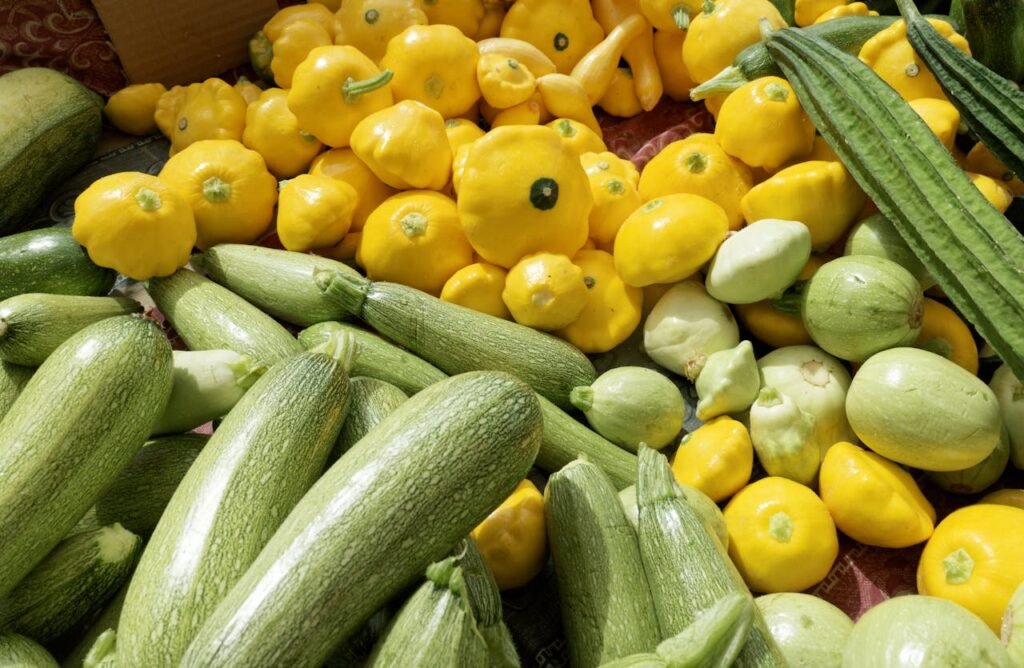
Creative Culinary Uses for Pattypan Squash
One of the best things about Pattypan squash is its culinary uses. Because of its unique shape, it can be used in ways that zucchini cannot. Its firm flesh holds up well to various cooking techniques without becoming mushy.
- Roasting: Roasted pattypan squash is perhaps the easiest way to enjoy it. Simply toss slices with olive oil, sea salt, and herbs.
- Stuffing: Because they are hollow-able, they make perfect vessels for quinoa, sausage, or cheese-based fillings.
- Grilling: Slice them into thick rounds and grill them alongside your favourite proteins for a smoky summer side dish.
- Pickling: Their firm texture makes them ideal for quick pickling in a vinegar and dill brine.
According to the Royal Horticultural Society (RHS), the flavour of pattypan is most concentrated when the fruits are small (about 2-3 inches in diameter). Larger squashes can still be used, but they are best suited for grating into breads or stews.
Selection and Storage Tips
To get the most out of your Pattypan squash, you should look for specimens that feel heavy for their size and have a bright, glossy colour. Avoid any with soft spots or deep gashes. Since summer squashes have a high water content, they don’t stay fresh as long as winter varieties.
Store them in the vegetable crisper drawer of your fridge for up to five days. If you find yourself with an abundance from your garden, Gardening Know How suggests blanching slices before freezing to preserve their texture for winter use.
Managing Blood Sugar with Summer Squash
For those managing diabetes, the Pattypan squash is a fantastic addition to the menu. It has a low glycaemic index, meaning it won’t cause sharp spikes in blood sugar. Diabetes UK emphasises the importance of non-starchy vegetables like squash in a balanced diet to provide volume and nutrients without excess carbohydrates.
Frequently Asked Questions (FAQs)
Do you have to peel Pattypan squash?
No, you do not need to peel it! One of the biggest advantages of Pattypan squash is its edible skin. The skin is thin and tender, especially in smaller squashes, and contains much of the vegetable’s vitamin C content and fibre. Just give it a good wash to remove any garden soil.
Can you eat Pattypan squash raw?
Absolutely. While most people prefer it cooked, you can thinly shave raw pattypan into salads or use it as a crunchy addition to a crudité platter. It has a mild, slightly sweet flavour when raw, similar to a very fresh cucumber or a mild radish.
Is Pattypan squash a fruit or a vegetable?
Botanically speaking, all squashes are fruits because they contain seeds and develop from the flower of the plant. However, in a culinary context, they are utilised as vegetables. You can learn more about this botanical distinction at ScienceDirect.
Conclusion
The Pattypan squash is a delightful, nutritious, and visually stunning addition to any summer meal. Whether you are looking to boost your intake of antioxidants, manage your weight with low-calorie vegetables, or simply try something new in the kitchen, this “flying saucer” squash is a perfect choice. For more tips on healthy eating, visit Healthline or the British Heart Foundation.
Next time you see these scalloped beauties at the store, grab a few and enjoy the fresh, buttery taste of the summer harvest. Your body—and your taste buds—will thank you.
For further reading on the diverse world of vegetables, check out resources like NutritionValue.org or WebMD.