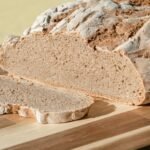
If you have ever marvelled at the beautiful, rustic loaves in an artisan bakery, you have likely noticed the intricate patterns and deep slashes on their crusts. These aren’t just for decoration. To achieve that professional look and perfect texture at home, you need one specific instrument in your kitchen drawer: a lame bread tool.
A “lame” (pronounced lahm) is a French word meaning “blade.” While it might look like a simple stick with a razor attached, it is the secret to controlling how your bread expands in the oven. In this guide, we will explore why this tool is essential for your sourdough journey and how to use it to elevate your home baking.
What is a Lame Bread Tool and Why Does it Matter?
When dough hits a hot oven, the moisture inside turns to steam, causing the bread to rise rapidly. This process is known as oven spring. Without a controlled exit point, the steam will burst through the weakest part of the crust, often resulting in an unsightly bulge or a lopsided loaf.
By using a lame bread tool, you create intentional “weak spots.” This guided expansion ensures your artisan sourdough maintains its shape while developing a beautiful ear on bread—that coveted crunchy ridge that professional bakers strive for.
Beyond aesthetics, proper scoring affects the internal crumb structure. A well-placed cut allows the dough to aerate fully, preventing a dense, gummy interior. Whether you are baking a round boule or a long baton, the right scoring technique makes all the difference.
Choosing Your Baker’s Blade: Straight vs. Curved
Not all lames are created equal. Depending on the type of bread you are making and the score patterns you wish to achieve, you might prefer one design over another. Most tools utilise a high-quality stainless steel blade that is razor sharp to ensure clean cuts without dragging the dough.
Below is a comparison to help you choose the right baker’s blade for your kitchen:
| Feature | Straight Lame | Curved Lame |
|---|---|---|
| Best For | Intricate designs and vertical cuts. | Creating a classic “ear” on the crust. |
| Grip Style | Often held like a pen for precision. | Held at an angle to “flap” the dough. |
| Ease of Use | Beginner-friendly for basic slashes. | Requires a bit of practice to master the angle. |
| Primary Use | Baguettes and decorative wheat stalks. | Sourdough boules and batons. |
How to Master Your Scoring Technique
Scoring is as much about confidence as it is about the tool. Before you take your lame bread tool to the dough, ensure your loaf has been properly prepared in a proofing basket. Cold-proofed dough is generally easier to score because the surface is firmer.
- Build Dough Tension: Ensure your loaf is shaped tightly. Proper dough tension allows the blade to glide through the surface rather than snagging.
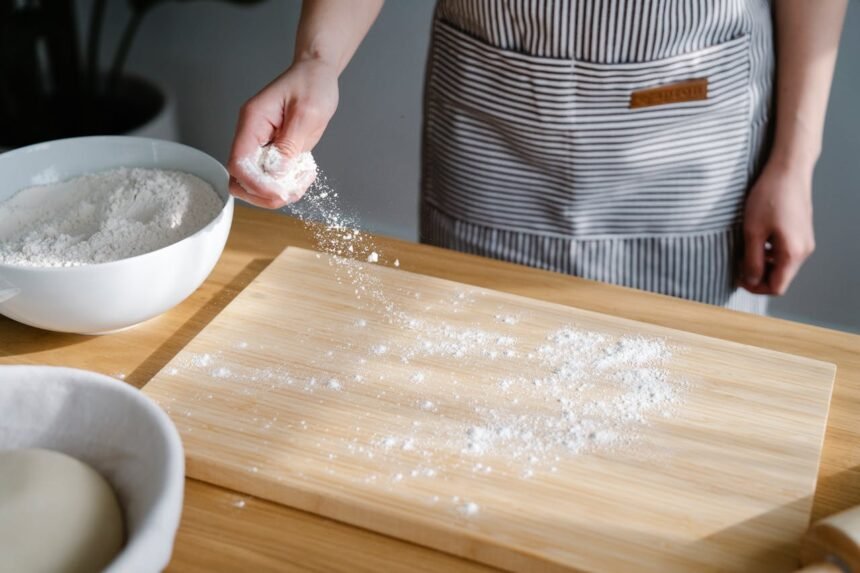
- Dust with Flour: A light dusting of rye or rice flour helps the score patterns stand out visually against the darker crust.
- Commit to the Cut: Be swift and decisive. A slow cut is more likely to tear the delicate fermentation bubbles you have worked so hard to create.
- Mind the Angle: For a classic ear, hold the blade at a 30-degree angle. For decorative patterns, hold it vertically.
Research published in Scientific Reports suggests that the fermentation process significantly impacts the rheological properties of dough, making the timing of your score critical for the final volume.
The Connection Between Baking and Wellbeing
At its core, baking is a mindful practice. The slow process of nurturing a sourdough starter and waiting for the dough to rise can be incredibly therapeutic. The NHS encourages engaging in hobbies that promote mental wellbeing, and bread making fits the bill perfectly.
Furthermore, choosing to bake at home allows you to control your ingredients. Unlike ultra-processed supermarket loaves, home-baked bread can be a rich source of fibre and essential nutrients. Organisations like the World Health Organization emphasise the importance of a balanced diet, and whole-grain sourdough is a fantastic addition to a heart-healthy lifestyle.
To learn more about the nutritional science of cereals, you can explore resources from the FAO or the Journal Nutrients.
Safety and Maintenance for Your Lame
Because a lame bread tool uses a razor sharp blade, safety is paramount. Always store your tool in a protective cover. Most bakers prefer stainless steel blades because they resist rust and maintain their edge through many loaves.
- Cleanliness: Wipe the blade with a damp cloth after each use. Avoid leaving dough residue, which can harbour bacteria.
- Blade Rotation: Most blades have four corners. Flip and rotate the blade regularly to ensure you are always using a sharp edge.
- Safe Disposal: Treat used blades like medical sharps. Use a dedicated “blade bank” or wrap them securely before recycling. Check the Royal Society of Chemistry for insights into metal recycling and safety standards.
For more expert tips on kitchen tool maintenance, visit Cook’s Illustrated or Serious Eats for rigorous equipment testing.
The Final Slice
Investing in a lame bread tool is a small step that yields massive results. It transforms a hobbyist’s loaf into a work of art, improving both the taste and the texture of your bread. Whether you are following a recipe from King Arthur Baking or experimenting with your own heritage grains, the right score is the finishing touch your bread deserves.
Remember, baking is a journey of continuous learning. For more inspiration on food culture and the joy of eating well, check out The Guardian’s food series or the latest health news on Healthline. If you are interested in the deeper chemical reactions of baking, ScienceDirect offers comprehensive studies on breadmaking technology.
Frequently Asked Questions (FAQs)
Can I just use a kitchen knife instead of a lame bread tool?
While you can use a very sharp paring knife, it often lacks the thinness and precision of a lame bread tool. Knives tend to drag through the dough, causing jagged edges rather than the clean, deep slashes needed for a proper oven spring.
How deep should I score my bread?
Generally, a depth of about 0.5cm to 1cm is ideal for most loaves. If you score too shallow, the bread might burst elsewhere. If you score too deep, the loaf may collapse. Practice is key to finding the “sweet spot” for your specific dough hydration.
How often should I change the blade on my lame?
For the best results, you should change the blade or rotate to a new corner every 5 to 10 loaves. A dull blade will pull on the dough, ruining your score patterns and potentially deflating the bread.