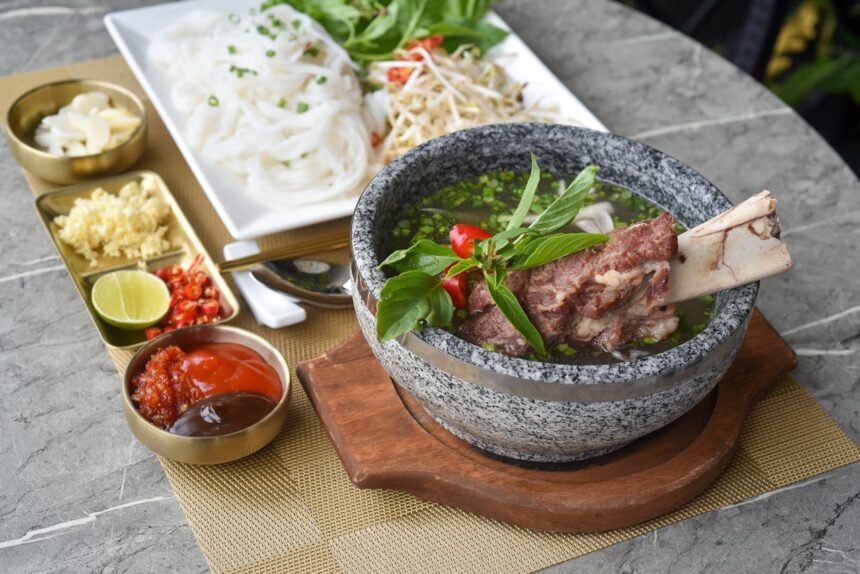
If you are a fan of Vietnamese street food, you are likely familiar with the comforting, aromatic embrace of a standard bowl of phở. However, a new trend is taking the culinary world by centre stage: Stone Bowl Pho (known in Vietnam as Phở Thố Đá). This interactive dining experience offers more than just a meal; it provides a multisensory journey that keeps your broth bubbling until the very last drop.
But does this “sizzling” upgrade offer any real health benefits over the traditional phở we know and love? As we dive into the science of slow-simmered stocks and the nutritional profile of fresh ingredients, let’s explore why this culinary experience is capturing the hearts of health enthusiasts and foodies alike.
What Exactly Is Stone Bowl Pho?
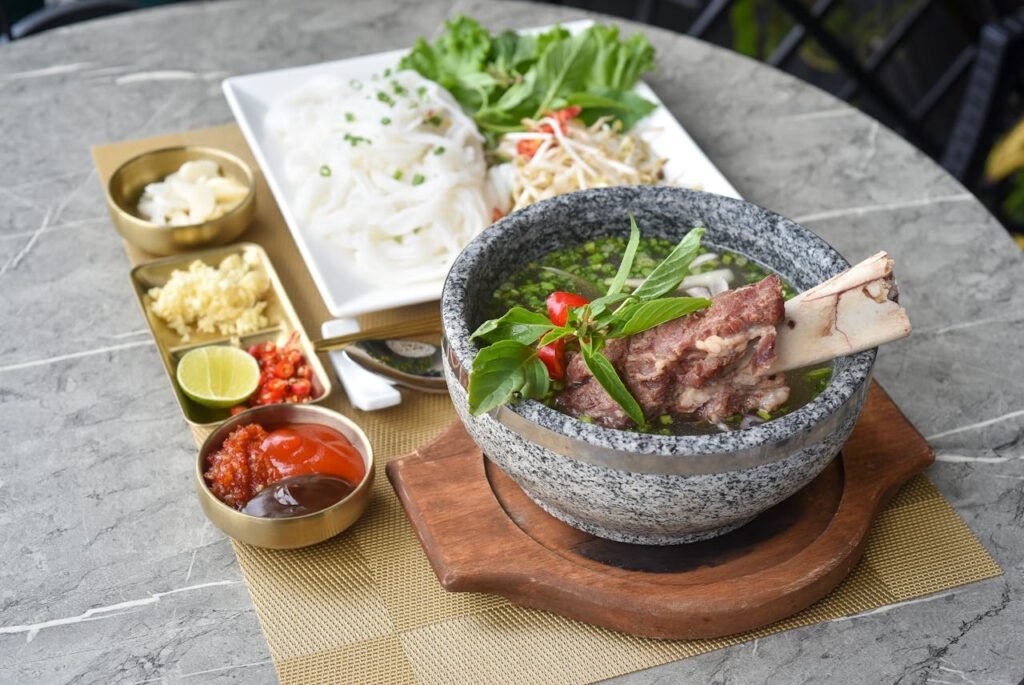
Unlike a standard bowl where the ingredients arrive pre-assembled, Stone Bowl Pho is served deconstructed. You are presented with a granite or ceramic bowl heated to a searing temperature, containing a nutrient-dense broth that is literally boiling. On the side, you receive a platter of raw Wagyu beef or brisket, rice noodles, and an abundance of fresh herbs.
This method allows you to cook the meat and noodles to your exact preference, ensuring that the texture remains firm and the flavours stay vibrant. According to culinary experts at Eater, this method preserves the integrity of the ingredients, preventing the noodles from becoming soggy—a common complaint with take-away versions.
The Comparison: Stone Bowl vs. Traditional Pho
To understand the appeal, it is helpful to look at how these two versions stack up in terms of dining experience and nutritional preservation.
| Feature | Traditional Pho | Stone Bowl Pho |
|---|---|---|
| Broth Temperature | Warm to Hot (cools quickly) | Boiling (remains hot for 30+ mins) |
| Noodle Texture | Can become soft/mushy | Al dente (cooked at the table) |
| Meat Quality | Pre-cooked or flash-boiled | Often premium cuts like Wagyu beef |
| Customisation | Low | High (DIY cooking style) |
The Nutritional Powerhouse: Bone Broth and Spices
The heart of any Stone Bowl Pho is its bone broth. Typically simmered for over 12 hours, this liquid gold is rich in collagen, amino acids, and minerals. Research shared by Harvard Health suggests that while bone broth isn’t a miracle cure, it is an excellent source of hydration and protein.
The umami flavour is achieved through a blend of aromatic spices, including:
- Star Anise: Known for its antimicrobial properties.
- Cinnamon: May help in regulating blood sugar levels, according to Mayo Clinic.
- Ginger: A well-documented digestive aid and anti-inflammatory agent.
- Cloves: High in antioxidants that combat oxidative stress.
Because the broth in Stone Bowl Pho stays at a higher temperature for longer, the infusion of these spices continues throughout your meal, potentially increasing the bioavailability of certain phytonutrients.
Health Benefits of Stone Bowl Pho
When balanced correctly, this dish serves as a nearly perfect gluten-free soup option. Here is why it earns a spot in a healthy diet:
- High Protein Content: Whether you choose beef, chicken, or tofu, the protein helps with muscle repair and satiety.
- Digestive Support: The combination of ginger and warm liquid can soothe the digestive tract. NHS guidelines often emphasise the importance of varied, whole-food diets for gut health.
- Rich in Healthy Fats: If made with quality marrow bones, the broth contains healthy fats that support brain function.
- Low Glycemic Index: Using rice noodles in moderation provides a steady energy release, though those with diabetes should monitor portions as suggested by Diabetes UK.
Furthermore, a study published in the Journal of Ethnic Foods highlights that traditional Vietnamese soups are inherently lower in calories than many Western fast-food alternatives.
Important Considerations: Safety and Sodium
While Stone Bowl Pho is a nutritional gem, there are two main areas to watch: heat and salt. The “sizzling” nature of the bowl presents a minor risk of burns, and maintaining food safety is paramount when handling raw meat at the table. Ensure the broth is bubbling vigorously before adding your beef to kill any potential pathogens, as advised by the Food Standards Agency.
Additionally, the umami flavour often comes from fish sauce and salt. For those monitoring their heart health, high sodium intake can be a concern. The British Heart Foundation warns that excessive salt can lead to high blood pressure. You can mitigate this by not drinking every drop of the broth or asking for a lower-sodium version.
Is It Worth the Hype?
The Stone Bowl Pho experience is more than just a gimmick. It is a celebration of freshness and temperature control. By allowing the diner to add fresh herbs like Thai basil, coriander, and sawtooth herb at the last second, the volatile oils and Vitamin C content are preserved, rather than being wilted by prolonged exposure to heat in the kitchen.
As noted by The Michelin Guide, phở is a dish of evolution. The stone bowl is simply the latest step in making this ancient comfort food relevant for the modern, health-conscious diner. For more detailed nutritional breakdowns of similar soups, you can visit Healthline or WebMD.
Frequently Asked Questions (FAQs)
How do you eat Stone Bowl Pho without overcooking the meat?
The best way to enjoy Stone Bowl Pho is to add your meat slices one or two at a time. Dip them into the boiling broth until they reach your desired level of doneness, then eat them immediately. This ensures the Wagyu beef remains tender and succulent.
Is Stone Bowl Pho suitable for a weight-loss diet?
Yes, it can be. Phở is generally low in fat and high in protein. To make it even more diet-friendly, focus on the bean sprouts and herbs rather than finishing the entire portion of rice noodles. You can find more tips on balanced eating at ScienceDirect.
Can I make Stone Bowl Pho at home?
While you can buy granite bowls, achieving the necessary temperature requires care. Most home cooks prefer a traditional phở recipe. You can follow professional techniques from BBC Good Food or Food & Wine for the best results, even if you use a standard ceramic bowl.
Are the spices in the broth safe for everyone?
Generally, yes. However, some people may have sensitivities to star anise or cinnamon. If you have specific medical concerns, it is always best to consult the PubMed database for clinical studies on spice allergies or speak with a healthcare professional.
Whether you are looking for a nutrient-dense broth to boost your immunity or simply want the best-tasting bowl of noodles in town, Stone Bowl Pho is a must-try. Just remember to let it cool slightly before taking that first, delicious sip!