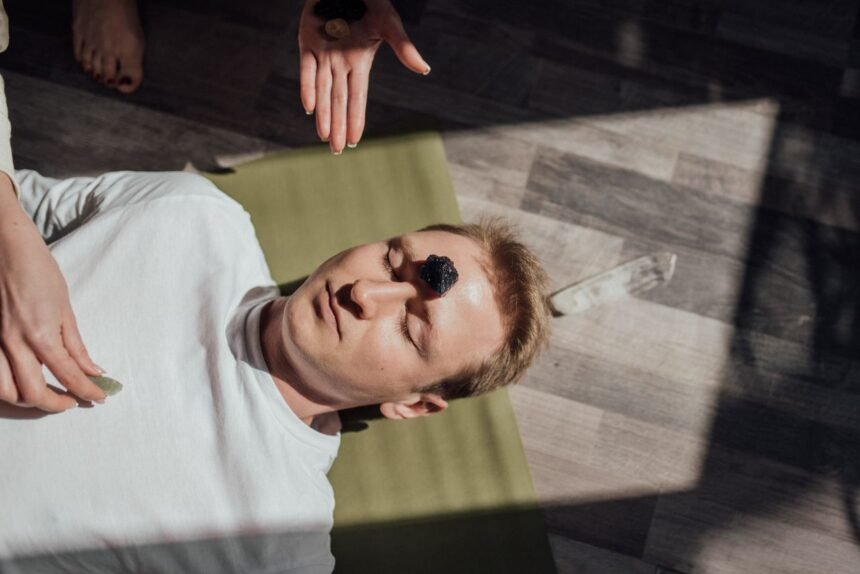
Have you ever been at a party, enjoying yourself one minute, and then suddenly felt an overwhelming urge to flee to a quiet room? You aren’t being rude, and you aren’t necessarily “antisocial.” You are simply experiencing a low social battery.
The term “social battery” is a popular metaphor used to describe the amount of energy an individual has for socialising. Once this energy is spent, you may feel drained, irritable, or even physically exhausted. Understanding your unique energy levels is a vital part of maintaining your mental health and overall well-being.
What Exactly Is a “Social Battery”?
Think of your social energy like the battery on your smartphone. Every interaction—from a morning meeting to a quick chat with a neighbour—uses up a percentage of that charge. While some people seem to have a “fast-charger” for social situations, others find that their mental energy levels deplete rapidly in high-stimulus environments.
The concept is often tied to the spectrum of introversion and extroversion. According to the Mayo Clinic, introverts typically lose energy through social interaction and recharge in solitude, while extroverts are often energised by being around others. However, everyone—regardless of personality type—has a limit.
Recognising the Signs of Social Exhaustion
When you push past your limits, you may experience social exhaustion, often referred to as “introvert burnout.” Recognising the warning signs early can help you avoid total emotional burnout. Common symptoms include:
- Social withdrawal: A sudden, intense desire to be alone or leave your current environment.
- Irritability: Feeling “snappy” or frustrated by small noises or minor questions.
- Brain fog: Difficulty following conversations or finding the right words to say.
- Physical symptoms: Headaches, muscle tension, or a heavy feeling in the limbs, similar to chronic fatigue.
- Anxiety: An increase in social anxiety symptoms, such as a racing heart or rumination.
Why Does My Social Battery Drain So Fast?
Not all social interactions are created equal. Several factors can influence how quickly your social battery runs into the red. For many, sensory overload plays a significant role. Loud music, bright lights, and multiple overlapping conversations can be taxing for the brain to process. Research published in Nature suggests that the way our brains process social stimuli varies greatly between individuals.
For those who are neurodivergent, the drain can be even more pronounced. Neurodivergent burnout often occurs when individuals with ADHD or Autism spend excessive energy “masking” or trying to fit into neurotypical social moulds. Additionally, people-pleasing habits can accelerate energy loss, as the constant need to monitor others’ emotions is cognitively demanding.
Social Energy Comparison: Introverts vs Extroverts
The following table illustrates the general differences in how various personality types manage their social capacity:
| Feature | Introverts | Extroverts |
|---|---|---|
| Primary Energy Source | Solitude and quiet reflection. | Social engagement and activity. |
| Social Drain Rate | Typically faster, especially in groups. | Typically slower; drained by isolation. |
| Recharge Method | Solo hobbies (reading, walking). | Group activities (parties, sports). |
| Conversation Preference | Deep, one-on-one discussions. | Broad, variety-filled interactions. |
How to Practise Healthy Recharging
Learning how to handle recharging your battery is an essential skill. It is not just about sleeping; it is about finding activities that restore your mental peace. Consider these self-care practices to help you bounce back:
- Prioritise Solitude: Understand the difference between loneliness vs solitude. Solitude is a choice that allows for reflection and rest.
- Set Firm Boundaries: Learn to say “no” to invitations without guilt. Setting boundaries is a protective measure for your mental health.
- Limit “Always-On” Technology: Digital socialising also drains your battery. Turn off notifications to reduce the pressure to respond immediately.
- Engage in Low-Stakes Activities: Activities like gardening, listening to music, or gentle exercise can help reset your nervous system.
As noted by Psychology Today, acknowledging your limits is the first step toward a more balanced life. If you feel that your social energy is consistently non-existent, it may be worth exploring mental health resources to rule out clinical depression or burnout.
The Role of Stress and Environment
External factors can significantly impact your capacity for interaction. High-stress environments at work or home act as a “background app” that constantly drains your energy. According to Harvard Health, chronic stress can reduce our cognitive flexibility, making socialising feel like a chore rather than a pleasure.
Furthermore, social fatigue is a well-documented phenomenon. A study in ScienceDirect found that social interaction, even for extroverts, eventually leads to a state of fatigue after a certain period. This highlights the importance of moderation for everyone.
Finding the Right Balance
Managing your social battery doesn’t mean avoiding people altogether. Social connection is a fundamental human need. The goal is to find a sustainable rhythm. If you have a big event coming up, plan for “down-time” the following day. This proactive approach prevents the crash associated with social exhaustion.
For more support on managing stress and energy, you can visit HelpGuide.org, which offers excellent strategies for burnout recovery. Additionally, the British Psychological Society provides insights into how personality and social dynamics affect our daily lives.
Understanding your limits is an act of self-respect. When you honour your social battery, you show up as a better friend, partner, and colleague. For more information on the physical aspects of social fatigue, Medical News Today offers a deep dive into the physiological responses to over-socialising.
If you find that your social battery is impacting your ability to function, seeking professional help is a courageous step. Resources like Psych Central and the latest research in The Lancet Psychiatry can provide further clarity on the intersection of social habits and mental wellbeing.
Frequently Asked Questions (FAQs)
Can you increase your social battery over time?
While your baseline personality (introversion or extroversion) remains relatively stable, you can build “social stamina” by gradually increasing exposure to social settings. However, it is more effective to manage your energy through pacing and boundaries than to try and force a fundamental change in your nature.
Is a low social battery a sign of depression?
Not necessarily. However, if a low social battery is accompanied by a persistent low mood, loss of interest in hobbies, and feelings of hopelessness, it could be a symptom of depression. It is important to consult a healthcare professional if you are concerned.
How long does it take to recharge a social battery?
The time required varies for everyone. For some, a quiet evening alone is enough. For others, particularly after intense periods of emotional burnout, it may take several days of minimal interaction to feel fully restored.
Can extroverts have a low social battery?
Yes. Extroverts can experience social fatigue if they are over-stimulated, stressed, or engaging in interactions that feel performative or unfulfilling. Everyone has a finite amount of mental energy to give.