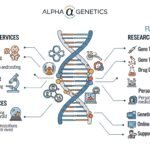
If you have been told you have AAT lung disease, you might feel overwhelmed or confused. While it sounds complex, understanding this condition is the first step toward managing your health and breathing easier. Essentially, AATD (Alpha-1 Antitrypsin Deficiency) is a genetic condition that can lead to significant lung and liver issues.
Unlike typical lung conditions caused solely by external factors, an AAT lung is the result of a missing protective protein. In this guide, we will break down what this means for your body, how to spot the signs, and the latest treatments available to help you thrive.
What Exactly is AAT Lung Disease?
Alpha-1 Antitrypsin Deficiency occurs when the liver does not produce enough of the alpha-1 antitrypsin protein, or the protein it does produce is misshapen and gets “stuck” in the liver. This protein’s primary job is to protect the lungs from inflammation caused by infection and inhaled irritants like smoke.
Without this protection, the lung tissue becomes vulnerable to damage. This often manifests as genetic emphysema or chronic obstructive pulmonary disease (COPD). Because the damage is often widespread, it is sometimes referred to as panacinar emphysema, which affects the lower lobes of the lungs more severely than traditional smoking-related emphysema.
The condition is rooted in the SERPINA1 gene. Everyone inherits two copies of this gene—one from each parent. If both copies are faulty (the ZZ genotype), the risk of developing severe lung and liver cirrhosis increases significantly.
Recognising the Symptoms
Many people with AAT lung issues are initially misdiagnosed with asthma or standard COPD. It is important to recognise the specific signs that point toward a genetic cause:
- Shortness of breath during mild physical activity.
- A persistent wheeze that does not respond well to standard inhalers.
- Recurrent chest infections or “bouts” of bronchitis.
- Unexplained weight loss.
- Reduced exercise tolerance.
- Jaundice or swelling in the abdomen (indicating related liver issues).
AATD vs. Standard COPD: Key Differences
While the symptoms overlap, there are distinct differences in how these conditions present. Understanding these can lead to an early diagnosis.
| Feature | Standard COPD | AAT Lung Disease |
|---|---|---|
| Primary Cause | Smoking or air pollution. | Inherited genetic mutation. |
| Age of Onset | Usually 50s or 60s. | Often 30s or 40s. |
| Lung Area Affected | Upper lobes (usually). | Lower lobes (predominantly). |
| Liver Involvement | Rarely related. | Commonly associated. |
How is AAT Lung Diagnosed?
The World Health Organization recommends that every person diagnosed with COPD should be tested for Alpha-1 at least once. Diagnosis usually involves a simple series of tests:
- Blood Test: To measure the levels of alpha-1 antitrypsin protein in your bloodstream.
- Phenotype Testing: To identify the specific proteins you are producing and confirm the genetic variants.
- Lung Function Tests: To measure your forced expiratory volume (FEV1) and see how well your lungs move air.
- Imaging: A CT scan or X-ray to look for signs of emphysema in the lower lungs.
If you test positive, your healthcare provider may suggest genetic counselling for your family members, as siblings and children may also be carriers of the faulty gene. You can learn more about genetic testing at Genome.gov.

Current Treatment Options for AAT Lung
While there is currently no cure for the genetic mutation itself, several treatment options can slow the progression of lung damage and improve your quality of life.
Augmentation Therapy
This is the most specific treatment for AAT lung. It involves an intravenous infusion of purified alpha-1 antitrypsin protein collected from healthy donors. This acts as a protease inhibitor, neutralising the enzymes that destroy lung tissue. Research published in The Lancet suggests that this therapy can significantly slow the loss of lung density. More details are available via the Alpha-1 Foundation.
Managing Symptoms
Standard respiratory care is also vital. This includes:
- Bronchodilators: Using an inhaler to open up the airways.
- Pulmonary Rehabilitation: A structured programme of exercise and education to improve stamina.
- Oxygen Therapy: For those with low blood oxygen levels.
Advanced Interventions
In severe cases, a specialist might recommend lung volume reduction surgery or even a lung transplant. Detailed information on surgical criteria can be found at Mayo Clinic and Johns Hopkins Medicine.
Lifestyle Changes to Protect Your Lungs
If you have AAT lung disease, your environment plays a massive role in your prognosis. Small changes can make a significant difference in preserving lung function.
1. Smoking Cessation: This is the single most important step. Smoking accelerates lung destruction in Alpha-1 patients at an alarming rate. Seek help through the NHS Quit Smoking service.
2. Avoid Pollutants: Minimise exposure to secondhand smoke, dust, and chemical fumes. The CDC provides excellent resources on improving indoor air quality.
3. Vaccinations: Stay up to date with flu and pneumonia vaccines to prevent infections that could cause a flare-up. Guidelines are updated regularly by the British Thoracic Society.
4. Healthy Diet: Maintaining a healthy weight reduces the strain on your heart and lungs. For those with liver involvement, a low-sodium diet may be necessary. Read more on liver health at the Cleveland Clinic.
The Road Ahead
Living with AAT lung disease requires a proactive approach. By staying informed and working closely with a medical team, many individuals live full, active lives. Ongoing research into gene therapy, frequently featured in Nature and the European Respiratory Journal, offers hope for even more effective treatments in the future. For the latest evidence-based reviews on treatments, check the Cochrane Library.
Frequently Asked Questions (FAQs)
Can AAT lung disease be cured?
Currently, there is no way to reverse the genetic deficiency. However, augmentation therapy and lifestyle adjustments can effectively slow down lung destruction and manage symptoms. You can find more health news updates at Medical News Today.
Is Alpha-1 deficiency always hereditary?
Yes, it is an inherited condition. You must receive one faulty gene from each parent to have the most severe form of the disease. If you only have one faulty gene, you are a “carrier” and may have slightly lower protein levels but are less likely to develop severe lung disease unless you smoke.
How long can you live with AAT lung disease?
With early diagnosis, modern treatments, and total smoking cessation, many people with Alpha-1 have a normal or near-normal life expectancy. Regular monitoring of FEV1 and overall health is essential for a positive outlook.