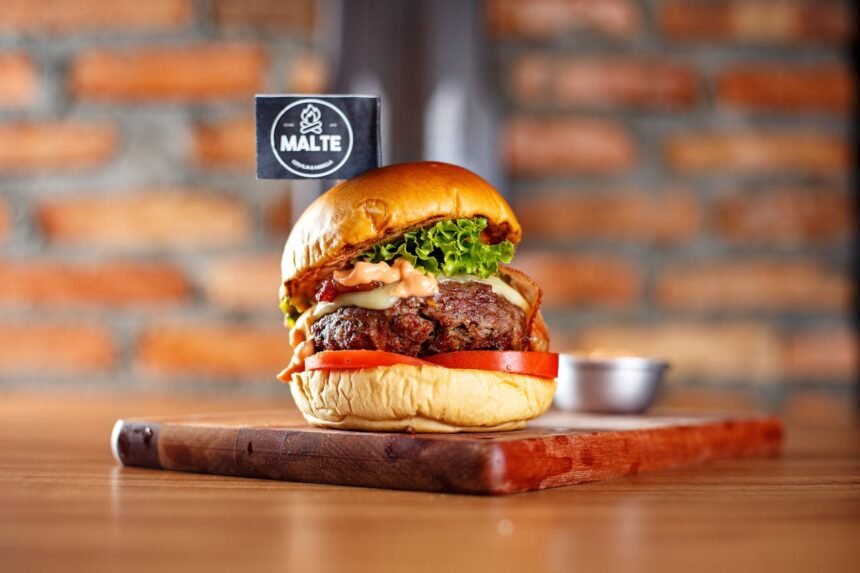
For many, the humble hamburger is the quintessential fast-food staple. However, the rise of the gourmet burger has transformed this basic meal into a sophisticated culinary experience. Moving beyond the processed patties of the past, today’s high-end burgers focus on culinary craftsmanship, premium ingredients, and a more balanced approach to nutrition.
Choosing a gourmet option isn’t just about satisfying a craving; it is about mindful indulgence. By prioritising quality over quantity, you can enjoy a meal that aligns with a healthy lifestyle while supporting sustainable sourcing practices. In this guide, we explore the anatomy of a superior burger and how to make choices that benefit both your palate and your wellbeing.
What Defines a Gourmet Burger?
Unlike standard fast food, a gourmet burger is characterised by the intentional selection of every component. It begins with the foundation: the meat. Many top-tier establishments utilise grass-fed cattle, which often results in a leaner product with a higher concentration of Omega-3 fatty acids compared to grain-fed alternatives.
Key features often include:
- High-quality protein: Often featuring specific cuts like brisket, short rib, or even highly-prized Wagyu beef.
- Artisanal toppings: Fresh, locally sourced ingredients rather than mass-produced condiments.
- Superior bread: A lightly toasted brioche bun or a sourdough roll that holds its structure.
- Complex profiles: The use of umami flavour enhancers such as aged cheeses or fermented vegetables.
The Nutritional Breakdown: Gourmet vs. Fast Food
When we look at the nutrient density of a meal, the differences between a standard takeaway and a hand-crafted burger are stark. While both can be high in calories, the gourmet version typically provides more essential vitamins and minerals through fresh produce and unprocessed proteins. According to NHS guidelines, a balanced diet should focus on variety and whole foods.
| Feature | Standard Fast Food Burger | Gourmet Burger |
|---|---|---|
| Protein Source | Processed, frozen patties | Fresh, high-quality protein |
| Bun Type | Refined white flour, high sugar | Artisanal brioche or whole-grain |
| Additives | Preservatives and fillers | Natural seasonings and herbs |
| Vegetable Content | Minimal (shredded lettuce) | Abundant, fresh, and diverse |
Building a Healthier Gourmet Experience
Enjoying a gourmet burger does not have to derail your health goals. By making specific substitutions, you can increase the nutritional value of your meal. For instance, opting for a plant-based alternative can significantly reduce saturated fat intake, a move supported by Mayo Clinic research on meat substitutes.
1. Choose Your Protein Wisely
While beef is traditional, many gourmet menus now offer lean turkey, grilled chicken breast, or sustainably sourced salmon. If you prefer red meat, Oxford University research suggests limiting processed meats to protect long-term heart health.
2. Elevate Your Toppings
Instead of processed cheese slices, look for artisanal toppings like avocado, sun-dried tomatoes, or caramelised onions. These add depth without the excessive sodium found in commercial sauces. A drizzle of balsamic glaze or a hint of truffle oil can provide intense flavour with minimal volume.
3. Watch the Bun
While a brioche bun is a popular choice for its buttery texture, it is often high in refined carbohydrates. Consider a “naked” burger wrapped in large lettuce leaves or a whole-grain option to increase your fibre intake, as recommended by the American Heart Association.

The Science of Flavour: Why Quality Matters
The satisfaction derived from a gourmet burger often comes from the umami flavour, the fifth basic taste. This savoury sensation is enhanced through proper searing techniques and the use of aged ingredients. Research published in Nature indicates that our brains respond differently to high-quality, complex food structures compared to highly processed “hyper-palatable” foods.
Furthermore, maintaining high food hygiene standards during preparation ensures that the natural flavours are preserved without the risk of contamination, which is vital when handling premium meats.
Balancing Indulgence and Health
It is important to view a gourmet burger as part of a broader dietary pattern. The World Health Organisation (WHO) emphasises the importance of energy balance. If you are enjoying a rich burger for dinner, consider lighter, plant-forward meals for the rest of the day. For those managing specific conditions, such as diabetes, choosing high-protein and high-fibre components can help manage blood sugar levels, according to Diabetes UK.
Some tips for a balanced meal include:
- Skip the deep-fried chips and opt for a side salad or roasted sweet potato wedges.
- Be mindful of portion sizes; a single-patty gourmet option is often more than enough.
- Hydrate with water or sparkling water rather than sugary soft drinks.
- Focus on the sensory experience—the texture, aroma, and taste—to improve satiety.
The Environmental Impact of Your Choice
Choosing a gourmet burger often means supporting better farming practices. Many high-end restaurants pride themselves on transparency regarding where their meat comes from. Cambridge University research highlights that reducing meat consumption and choosing higher-quality, sustainably raised meat can have a positive impact on the environment.
Additionally, for those looking to reduce their carbon footprint further, the Harvard Health blog notes that high-quality plant-based patties can offer a similar umami flavour profile while being significantly more resource-efficient.
Frequently Asked Questions (FAQs)
Is a gourmet burger actually healthier than fast food?
Generally, yes. While they can still be calorie-dense, gourmet burgers typically use fresher ingredients, fewer preservatives, and better-quality fats. By focusing on nutrient density, they provide more value to your body than highly processed alternatives. Studies in the American Journal of Clinical Nutrition often link whole-food diets to better health outcomes compared to diets high in ultra-processed foods.
What is the best way to cook a gourmet burger at home?
To achieve professional results, start with high-quality, chilled meat and avoid over-handling the patty. Use a heavy pan or griddle to create a crust (the Maillard reaction), and ensure you follow FSA guidelines for internal temperatures to ensure safety, especially when serving vulnerable groups.
Can I eat a gourmet burger on a weight-loss diet?
Yes, you can. The key is mindful indulgence. Opt for a leaner protein like turkey or a plant-based alternative, skip the heavy sauces in favour of a balsamic glaze, and consider a lettuce wrap instead of a heavy brioche bun. Following the British Heart Foundation advice on healthy fats can also help you make better topping choices, such as choosing avocado over bacon.
Conclusion
The gourmet burger represents a bridge between convenience and fine dining. By focusing on culinary craftsmanship and sustainable sourcing, we can transform a simple meal into an occasion that respects both our health and the environment. Whether you are seeking a high-quality protein hit or a delicious plant-based alternative, the modern burger landscape offers something for every conscious diner.