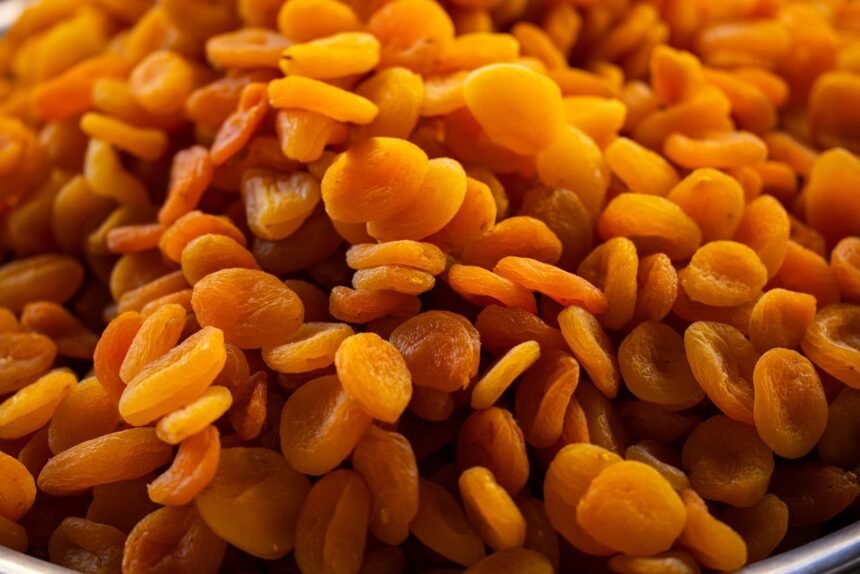
Known for their vibrant sunset hue and distinct chewy texture, the dried apricot is more than just a convenient pantry staple. While fresh apricots are a fleeting summer delight, their dried counterparts offer a concentrated burst of nutrients available all year round. From supporting your vision to aiding blood pressure management, these small fruits pack a powerful punch.
In this guide, we explore the science-backed benefits of dried apricot, its impressive nutritional profile, and how you can easily incorporate it into a healthy diet.
The Nutritional Powerhouse: Fresh vs. Dried Apricot
When you remove water from fruit, you increase its nutrient density. This means that gram-for-gram, a dried apricot contains significantly higher levels of vitamins, minerals, and calories than the fresh version. They are particularly renowned for their vitamin A content and high potassium levels.
The following table compares the approximate nutritional values for 100g of fresh vs. dried fruit:
| Nutrient (per 100g) | Fresh Apricot | Dried Apricot |
|---|---|---|
| Calories | 48 kcal | 241 kcal |
| Dietary Fibre | 2.0g | 7.3g |
| Potassium | 259mg | 1,162mg |
| Vitamin A (RAE) | 96mcg | 180mcg |
| Iron | 0.4mg | 2.7mg |
5 Incredible Health Benefits of Dried Apricot
1. Exceptional Source of Beta-Carotene
The bright orange colour of a dried apricot comes from its rich source of beta-carotene, a pigment that the body converts into Vitamin A. This nutrient is essential for maintaining healthy vision, particularly in low light. According to the Academy of Nutrition and Dietetics, Vitamin A also plays a critical role in immune system function.
2. Promotes Digestive Health
If you are looking to support your digestive health, these fruits are an excellent choice. They are rich in dietary fibre, containing both soluble and insoluble types. Mayo Clinic experts highlight that fibre is vital for preventing constipation and maintaining a healthy gut microbiome.
3. Supports Bone Mineral Density
As we age, maintaining bone mineral density becomes increasingly important. Dried apricot contains several minerals required for bone formation, including boron, calcium, and manganese. Research published in The European Journal of Clinical Nutrition suggests that certain dried fruits can play a role in osteoporosis prevention.
4. Boosts Iron Intake
For those following a plant-based diet, finding a reliable source of non-heme iron can be challenging. A dried apricot serves as a helpful snack to boost iron levels, which is necessary for transporting oxygen throughout the body. To maximise absorption, pair them with a source of Vitamin C, such as a glass of orange juice, as recommended by the National Institutes of Health (NIH).
5. Cardioprotective Properties
The high potassium content in these fruits makes them excellent for heart health. Potassium helps balance sodium levels, which is crucial for blood pressure management. The Harvard Health Publishing team notes that increasing potassium intake can significantly lower the risk of stroke and cardiovascular disease.
Choosing the Right Dried Apricot: Sulphites vs. Organic
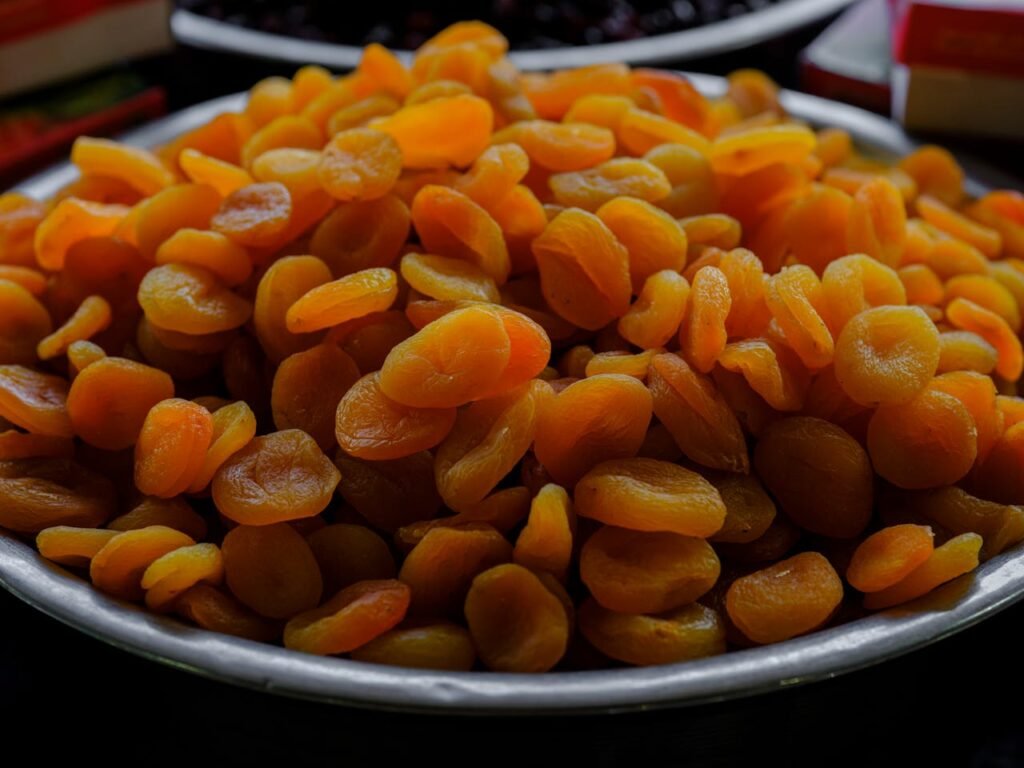
When browsing the supermarket aisles, you may notice two distinct varieties: bright orange and dark brown. Here is what you need to know about the difference:
- Sulphured Apricots: These are treated with sulphur dioxide to preserve their bright orange colour and extend shelf life. While safe for most, NHS guidelines suggest that some individuals with asthma or sensitivities may experience reactions to sulphites.
- Organic Dried Apricots: These are usually dark brown because they are naturally sun-dried without preservatives. Many people prefer organic dried apricots for their deeper, caramel-like flavour and lack of additives.
Regardless of the type you choose, these dried fruit snacks are a far better alternative to ultra-processed sweets. Their moderate glycaemic index ensures a steadier release of energy compared to refined sugary snacks, which is often beneficial for those managing blood sugar.
How to Enjoy Dried Apricot in Your Daily Meals
While delicious on their own, the versatility of the dried apricot allows it to shine in both sweet and savoury dishes. Because they contain natural sugars, they provide a wholesome sweetness without the need for added syrups.
- Breakfast Topping: Chop them up and stir them into your morning porridge or Greek yoghurt for added texture and sweetness.
- Savoury Salads: Add sliced apricots to a quinoa or couscous salad with chickpeas, feta, and fresh mint for a Mediterranean twist.
- Baking: Utilise them in homemade granola bars or fruit cakes.
- Tagines: In North African cuisine, apricots are frequently used in slow-cooked stews to balance the heat of spices.
You can find more inspiration for balanced meals through the British Heart Foundation’s recipe guides.
Potential Considerations
While the dried apricot boasts impressive antioxidant properties (as detailed in studies found on ScienceDirect), moderation is key. Because they are dehydrated, it is easy to consume more than the recommended portion size.
A standard serving is roughly 30g, which equates to about 3 to 4 apricots. This counts as one of your “five-a-day” according to the British Dietetic Association (BDA). Keep in mind that dried fruit can stick to teeth, so it is best enjoyed during mealtimes rather than as a frequent graze to protect dental health.
Frequently Asked Questions (FAQs)
Are dried apricots good for weight loss?
Yes, when eaten in moderation. Their high fibre content promotes satiety, helping you feel fuller for longer. However, they are more calorie-dense than fresh fruit, so keep an eye on portion sizes. For more weight management tips, visit NHS Live Well.
Can dried apricots improve skin health?
They certainly can. The combination of antioxidants and Vitamin A helps protect the skin from environmental damage and supports cell turnover. For more on nutrition for skin, check out Medical News Today’s dermatological guides.
Are they safe for people with diabetes?
Generally, yes. Dried apricots have a lower glycaemic index than many other dried fruits like dates or raisins. However, it is important to monitor total carbohydrate intake. Clinical studies on PubMed suggest that dried fruits can be part of a diabetic diet when portions are controlled.
Do dried apricots contain a lot of sugar?
While they contain natural sugars, they do not contain the “free sugars” found in soft drinks or biscuits. The fibre in the fruit helps slow down the absorption of these sugars into the bloodstream. Always check labels to ensure no extra sugar has been added during processing.
The Bottom Line
The dried apricot is a versatile, nutrient-rich addition to any diet. Whether you are seeking a boost in antioxidant properties or looking for a way to improve your potassium levels, these golden fruits offer a sweet and satisfying solution. Remember to stay hydrated when increasing your fibre intake and enjoy these fruits as part of a varied, balanced lifestyle.