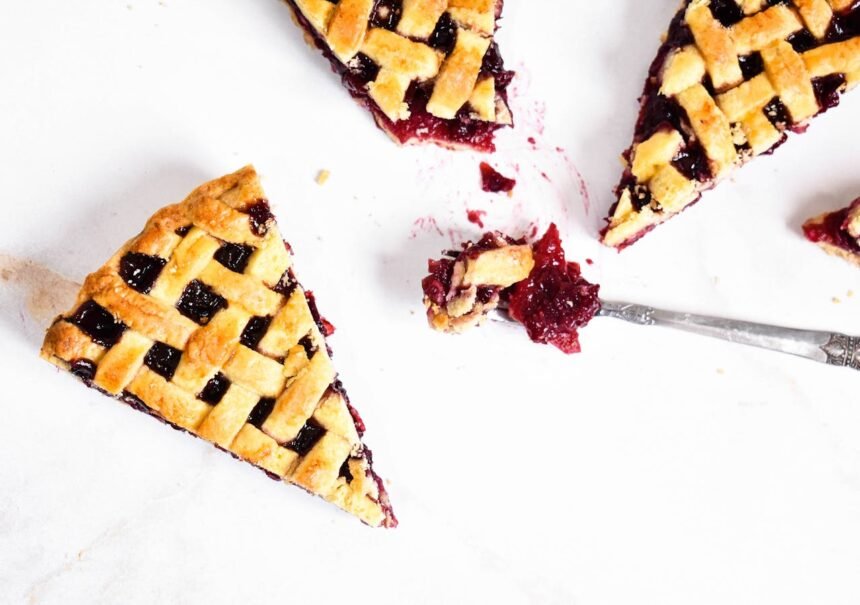
Few desserts evoke the sense of nostalgia and comfort quite like a classic cherry pie. Whether it is the centrepiece of a summer garden party or a warming treat on a winter evening, this iconic dish is a staple in British baking culture. However, beyond its delicious flavour, there is a wealth of nutritional science hidden beneath that flaky pastry.
In this guide, we will explore the nutritional profile of this beloved sweet treat, the surprising health benefits of its primary ingredient, and how you can optimise your recipe for a healthier lifestyle.
The Nutritional Profile of Cherry Pie
The nutritional value of a cherry pie can vary significantly depending on whether it is a traditional homemade pie or a shop-bought variety. Generally, a single slice provides a combination of carbohydrates, fats, and essential micronutrients. While many consider it an indulgence, the use of seasonal fruit ensures a high concentration of vitamins.
According to the NHS, carbohydrates are a vital energy source, but it is important to manage sugar intake. A standard slice of cherry pie contains:
- Vitamin C: Essential for skin health and immune function.
- Fibre: Found in the fruit filling and whole-meal crust options.
- Potassium: Important for maintaining healthy blood pressure.
- Antioxidants: Specifically anthocyanins found in red fruits.
Comparing Fruit Pies: At a Glance
When choosing a dessert, it helps to understand how cherry pie stacks up against other popular options. The following table outlines the typical nutritional characteristics per 100g serving.
| Pie Type | Main Nutritional Benefit | Average Calories | Sugar Content |
|---|---|---|---|
| Cherry Pie | High in Antioxidants (Anthocyanins) | 260 kcal | Medium-High |
| Apple Pie | High in Pectin (Fibre) | 237 kcal | Medium |
| Blueberry Pie | High in Vitamin K | 250 kcal | Medium-High |
The Science-Backed Benefits of Cherries
The “star of the show” in any cherry pie is, of course, the cherries. Most traditional recipes utilise sour cherries (also known as tart cherries or Montmorency cherries), which are nutritional powerhouses. Research published in Nature suggests that the bioactive compounds in cherries can have significant health implications.
1. Rich in Antioxidants
Cherries are packed with antioxidants, which help combat oxidative stress in the body. The Mayo Clinic notes that antioxidants may play a role in reducing the risk of chronic diseases. The deep red colour of the fruit filling comes from anthocyanins, which have potent anti-inflammatory properties.
2. Improved Sleep Quality
One of the most unique aspects of tart cherries is their natural melatonin content. As highlighted by the Sleep Foundation, melatonin is the hormone responsible for regulating the sleep-wake cycle. Consuming cherry-based desserts in moderation might contribute to a more restful night.
3. Muscle Recovery and Joint Health
Athletes often use cherry juice to reduce muscle soreness. The Arthritis Foundation suggests that the anti-inflammatory effects of cherries can help manage symptoms of joint pain and gout. While a cherry pie contains sugar, the fruit itself provides these essential nutrients.
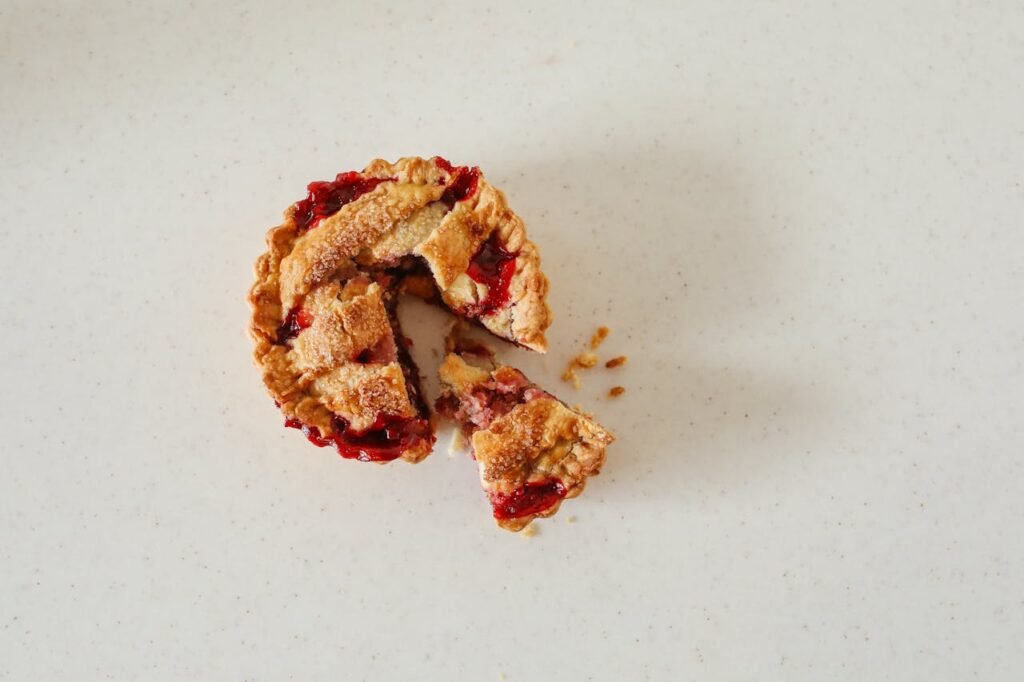
How to Bake a Healthier Cherry Pie
If you are looking to enjoy this classic dessert while maintaining your wellness goals, there are several baking tips to consider. Making small adjustments can transform the dessert nutrition profile without sacrificing the taste.
- Choose Whole Grains: Swap refined white flour for whole-wheat or oat flour to increase the fibre content and incorporate whole grains into your diet, as recommended by the British Heart Foundation.
- Reduce Added Sugars: Use the natural sweetness of the seasonal fruit. You can also explore sugar-free options or natural sweeteners like stevia.
- Healthy Fats: Utilise unsaturated fats or plant-based butters in your flaky pastry to support heart health, a practice supported by the British Dietetic Association.
- The Lattice Crust: Opting for a lattice crust rather than a full solid lid reduces the amount of pastry per slice, effectively lowering the calorie count.
For more evidence-based dietary advice, the Healthline guide to healthy eating provides a comprehensive overview of balanced nutrition.
Perfecting the Filling and Pastry
Creating the perfect homemade pie requires a balance of texture and moisture. To avoid a “soggy bottom,” many bakers pre-bake the crust or use a thickening agent like cornflour for the fruit filling. According to culinary experts at BBC Good Food, allowing the pie to cool completely before slicing is essential for the filling to set correctly.
Remember that cherries also provide a significant amount of vitamin C. To preserve these vitamins, avoid overcooking the fruit. Scientific data on ScienceDirect indicates that while some heat reduces vitamin levels, the antioxidants in cherries remain relatively stable during baking.
For those managing specific health conditions, such as diabetes, consult the Diabetes UK guidelines on incorporating fruit into your meal plan safely.
The Psychological Comfort of Baking
Beyond the physical nutrients, the act of baking a cherry pie can offer mental health benefits. Engaging in creative kitchen activities is often linked to reduced stress and improved mood. The Harvard Health Blog discusses how creative outlets can foster a sense of mindfulness and accomplishment.
If you’re looking for further peer-reviewed evidence on how diet affects wellbeing, the Cochrane Library offers extensive systematic reviews on nutrition and lifestyle interventions.
Frequently Asked Questions (FAQs)
Is cherry pie good for your health?
While cherry pie is a dessert and should be consumed in moderation due to its sugar and fat content, the cherries themselves offer significant health benefits, including high levels of vitamin C and antioxidants. Choosing sugar-free options and whole grains for the crust can make it a healthier choice.
Can I use frozen cherries for the filling?
Yes, frozen cherries are an excellent alternative to seasonal fruit and often retain their nutritional value just as well as fresh ones. Ensure you drain any excess liquid to maintain the integrity of your flaky pastry. You can find more on fruit preservation at Medical News Today.
What makes tart cherries different from sweet cherries?
Tart cherries (sour cherries) contain higher levels of anthocyanins and melatonin compared to sweet varieties. They are the preferred choice for a traditional cherry pie because their acidity balances the sweetness of the pastry. Research on these differences can be found via the American Society for Nutrition.
How do I prevent the crust from becoming too dark?
To keep your lattice crust a perfect golden brown, you can cover the edges with foil halfway through baking. This prevents the edges from burning while the fruit filling bubbles and thickens. For more technical baking tips, visit authoritative culinary resources like WebMD’s nutritional reviews.