If you have ever encountered a fruit that looks like a fuzzy peach but smells like a strong cheese, you have likely found the velvet apple. Known scientifically as Diospyros blancoi, this striking fruit is a relative of the persimmon and is native to the Philippines. But the real question remains: what does the velvet apple taste like once you get past its unique exterior?
In this guide, we will explore the complex sensory profile of this rare tropical fruit, its nutritional profile, and how you can incorporate it into your diet. Whether you call it the Mabolo, the Camagon, or the red velvet apple, its tropical fruit flavours are unlike anything you will find in a standard supermarket.
The Sensory Experience: Decoding the Velvet Apple Taste
The velvet apple taste is often described as a sophisticated blend of several familiar fruits. At its core, the flavour is sweet and mild, reminiscent of a creamy pear mixed with a hint of banana and strawberry. Some food critics also note a subtle, floral undertone that lingers on the palate, similar to rosewater.
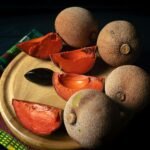
However, there is a catch. To truly enjoy the velvet apple taste, you must navigate its skin. The skin is covered in fine, reddish-brown hairs that can be irritating to the skin and throat. More importantly, the skin possesses a pungent, cheese-like aroma that many find off-putting. Once the skin is removed, the creamy, off-white flesh underneath is revealed, offering a completely different olfactory and gustatory experience.
According to research on Diospyros blancoi, the aromatic compounds in the skin are vastly different from the sugars and acids found in the pulp. This contrast is a hallmark of many Philippine native fruits.
Texture and Mouthfeel
The texture of the velvet apple is just as important as its flavour. It is not crunchy like a traditional apple. Instead, it has a dense, mealy, yet creamy consistency. Many compare it to a firm peach or a very ripe persimmon. This velvety mouthfeel is why it is often used in exotic fruit recipes that require a smooth base, such as mousses or smoothies.
Nutritional Breakdown of the Velvet Apple
Beyond its unique flavour, the velvet apple is a powerhouse of nutrients. It is particularly valued in traditional medicine for its high concentration of vitamins and minerals. The following table compares the nutritional highlights of the velvet apple with the more common Fuji apple.
| Nutrient (per 100g) | Velvet Apple (Mabolo) | Standard Apple |
|---|---|---|
| Vitamin C | High (approx. 18mg) | Moderate (approx. 4.6mg) |
| Iron | Significant | Trace |
| Calcium | 42mg | 6mg |
| Dietary Fibre | High | Moderate |
| Fat Content | Very Low | Very Low |
Health Benefits: Why You Should Try It
The Mabolo fruit benefits extend far beyond basic nutrition. Because it is one of the more notable iron-rich fruits found in tropical climates, it has historically been used to support blood health. Here are some of the primary health benefits associated with this fruit:
- Immune Support: Rich in Vitamin C, it helps the body defend against pathogens.
- Digestive Health: The high dietary fibre content aids in regular bowel movements and supports gut health, much like the recommendations found at the Mayo Clinic.
- Heart Health: It contains potassium, which is essential for maintaining healthy blood pressure levels.
- Antioxidant Properties: Loaded with fruit antioxidants, it helps combat oxidative stress in the body, a topic frequently discussed by Harvard Health.
How to Eat Velvet Apple Safely and Deliciously
To fully appreciate the velvet apple taste, you must prepare it correctly. Failure to remove the skin can result in an unpleasant “itchy” sensation in the mouth due to the fine hairs.
- Wash the fruit: Gently rub the velvet skin under running water to remove as many hairs as possible.
- Peel thoroughly: Use a sharp knife to remove the thick skin completely. Ensure no reddish fuzz remains.
- Slice and De-seed: Cut the fruit into wedges. Be careful of the large, hard seeds in the centre.
- Chill: Many enthusiasts find that the flavour is enhanced when the fruit is served cold.
You can find more tips on preparing unique produce at BBC Good Food. When in velvet apple season (typically during the monsoon months in South East Asia), the fruit is at its sweetest.
Culinary Uses of the Camagon Fruit
In the Philippines and Taiwan, the Camagon fruit is utilised in various ways. While it is most commonly eaten fresh, its firm texture makes it suitable for cooking. It can be sliced into salads, added to fruit tarts, or even fried as a side dish. Some regional cuisines use the dried fruit to add a sweet, earthy depth to stews.
Studies found on Science.gov suggest that the polyphenols in the fruit remain stable even when lightly processed, making it a healthy addition to various dishes. However, for the most potent hit of fruit antioxidants, raw consumption is recommended.
Sustainable Foraging and Biodiversity
The velvet apple tree is not just a food source; it is also prized for its “ebony” wood, known as Kamagong. Due to over-harvesting for timber, the tree is now protected in many areas. Supporting sustainable farming of these Philippine native fruits helps preserve biodiversity. Organisations like Nature.com highlight the importance of protecting such unique species to maintain ecological balance.
As noted by Britannica, the Diospyros genus is vital for both its wood and its fruit, making the velvet apple a double-valued treasure of the tropical forest.
Potential Side Effects and Precautions
While the velvet apple taste is a delight for most, some individuals may experience sensitivity. The hairs on the skin can cause contact dermatitis in sensitive individuals. Furthermore, as with any high-fibre fruit, overconsumption may lead to mild digestive upset. It is always wise to consult resources like The World Health Organization for guidelines on balanced fruit intake.
Research from the Cochrane Library suggests that a diverse diet including various fruits is the best way to ensure a wide spectrum of micronutrient intake. If you are looking to increase your iron levels, combining iron-rich fruits like the velvet apple with vitamin C sources is highly effective, as explained by Medical News Today.
Frequently Asked Questions (FAQs)
Does the velvet apple taste like a regular apple?
No. Despite the name, the velvet apple taste is much closer to a blend of persimmon, pear, and banana. It lacks the crispness and acidity of a traditional Malus domestica apple.
Can you eat the skin of a velvet apple?
It is strongly recommended to peel the fruit. The skin has a very unpleasant, cheese-like aroma and is covered in fine hairs that can irritate your throat and digestive tract.
Where can I find velvet apples?
Velvet apples are predominantly found in South East Asia, specifically the Philippines. They are occasionally available in specialised exotic fruit markets in the UK and North America during their peak season, as noted by Healthline.
What are the other names for velvet apple?
The fruit is most commonly known as Mabolo in the Philippines. It is also referred to as Camagon, Diospyros blancoi, and the butter fruit in some regions.
In summary, the velvet apple taste is a rewarding discovery for any adventurous eater. By looking past its pungent skin and fuzzy exterior, you unlock a creamy, floral, and highly nutritious tropical treat that stands out in the world of exotic produce.