A sudden “pop” or a sharp twinge in your inner thigh can instantly sideline your fitness goals. Whether you are a professional athlete or a weekend jogger, dealing with an adductor strain is frustrating and painful. Understanding the right groin pull treatment is the first step toward getting back on your feet and preventing long-term complications.
A groin pull occurs when the muscles in the inner thigh are stretched or torn beyond their capacity. This common sports injury can range from a minor annoyance to a severe muscle tear that requires weeks of dedicated rehabilitation. Because these muscles are vital for hip joint stability, proper care is non-negotiable.
Recognising the Severity of Your Injury
Before diving into groin pull treatment, it is essential to determine the extent of the damage. Doctors typically categorise groin strains into three distinct grades. Identifying your grade helps set realistic expectations for your recovery time.
| Injury Grade | Symptoms | Estimated Recovery Time |
|---|---|---|
| Grade 1 (Mild) | Minor inner thigh pain, little to no loss of strength. | 1 to 2 weeks |
| Grade 2 (Moderate) | Noticeable bruising, swelling, and some loss of function. | 3 to 6 weeks |
| Grade 3 (Severe) | Significant muscle tear, severe pain, and inability to walk. | 3 to 4 months |
Immediate At-Home Groin Pull Treatment: The RICE Method
The first 48 to 72 hours are critical for managing inflammation. Most experts at the Mayo Clinic recommend the RICE method as the gold standard for initial groin pain relief.
- Rest: Avoid any activities that cause pain. Continuing to exercise through the discomfort can turn a minor strain into chronic groin pain.
- Ice: Apply an ice pack to the affected area for 15–20 minutes every few hours. This helps constrict blood vessels and reduce swelling.
- Compression: Wearing compression shorts or using an elastic bandage can provide support and limit internal bleeding within the muscle fibres.
- Elevation: Whenever possible, keep your hips slightly elevated to encourage fluid drainage away from the injury site.
Professional Interventions and Physical Therapy
If your pain persists or you cannot put weight on your leg, seeking professional help is vital. A GP or a sports therapist can provide a definitive diagnosis, ensuring the pain isn’t caused by athletic pubalgia (often called a sports hernia) or issues related to the pelvic floor.
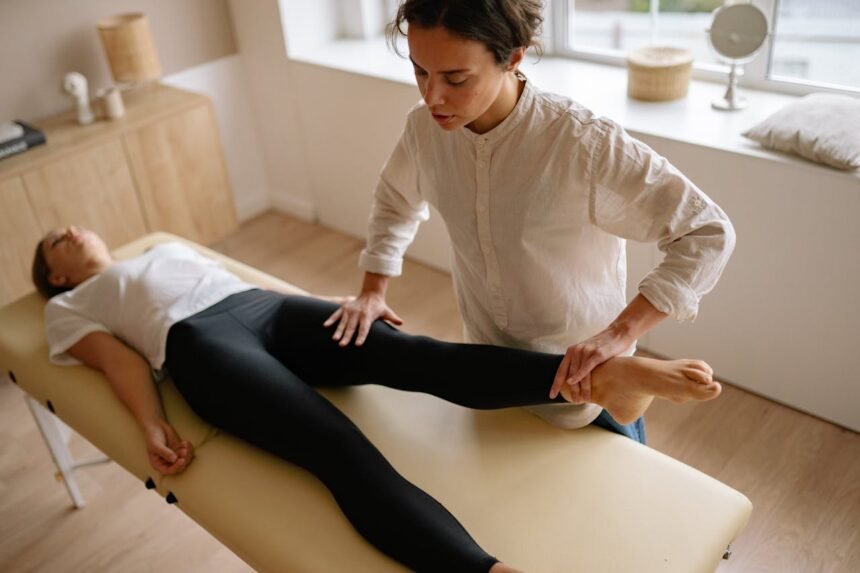
A structured physical therapy programme is often the cornerstone of effective groin pull treatment. A therapist will guide you through strengthening exercises designed to restore the balance between your hip abductors and adductors. Research published in PubMed suggests that active rehabilitation is significantly more effective than passive rest alone for adductor injuries.
The Role of Medication
Over-the-counter anti-inflammatories can help manage discomfort during the initial stages. However, always consult a healthcare professional before starting any medication to ensure it is appropriate for your specific health profile. You can find more information on medication safety at Bupa UK.
Rehabilitation and Strengthening Exercises
Once the initial inflammation has subsided, you can begin gentle flexibility exercises. The goal is to regain your range of motion without re-injuring the delicate tissue. According to the Physiopedia guidelines, rehabilitation should be progressive.
- Isometric Contractions: Squeezing a soft ball between your knees while lying down helps activate the muscle without moving the joint.
- Dynamic Stretching: Once basic strength returns, controlled leg swings can help improve muscle elasticity.
- Resistance Training: Utilise resistance bands to perform lateral movements, focusing on the eccentric (lengthening) phase of the movement.
For more specific exercise routines, the American Academy of Orthopaedic Surgeons offers comprehensive guides on thigh muscle rehabilitation. It is also worth reviewing the biomechanical aspects of hip movement discussed in Nature to understand how your body recovers.
When to Return to Sport
Returning to activity too soon is the most common reason for reinjury. You should only consider returning to your full routine when you have a full range of motion and your strength is equal to the uninjured side. Experts at Runner’s World suggest a “test-and-see” approach: start with a light jog and only progress if you remain pain-free.
Maintaining long-term hip joint stability is the best way to prevent a recurrence. This involves regular strengthening exercises and ensuring your warm-up routine is thorough and specific to your sport. Organisations like the Chartered Society of Physiotherapy emphasise the importance of “prehabilitation” to keep muscles resilient.
Differentiating Groin Pull from Other Conditions
Sometimes, what feels like a muscle strain could be something else entirely. Conditions like hip bursitis, stress fractures, or even referred pain from the lower back can mimic the symptoms of a groin pull. If your pain feels deep within the joint or is accompanied by clicking or locking, it may be a labral tear or osteoarthritis. The team at Versus Arthritis provides excellent resources for distinguishing between muscle strain and joint-related pain.
For a deeper dive into the anatomical complexities of the groin region, the Cleveland Clinic offers detailed visual aids and symptom checkers. Additionally, general health portals like Healthline and WebMD are great for quick reference on secondary symptoms like swelling or heat in the limb.
Frequently Asked Questions (FAQs)
How long does a groin pull take to heal?
Recovery time depends on the severity of the strain. A mild Grade 1 strain usually heals within 1 to 2 weeks, while a more significant Grade 2 tear can take up to 6 weeks. Severe Grade 3 ruptures may require several months and potentially surgical consultation.
Can I walk with a groin pull?
If you have a mild strain, walking may be possible but should be done with caution. If walking causes a limp or increases your inner thigh pain, you should use crutches and prioritise rest to avoid aggravating the muscle tear.
Is heat or ice better for a groin pull?
In the first 48 hours, ice is superior for groin pull treatment as it reduces swelling. Once the initial inflammation has settled, heat can be used to relax the muscles and improve blood flow before you begin your flexibility exercises.