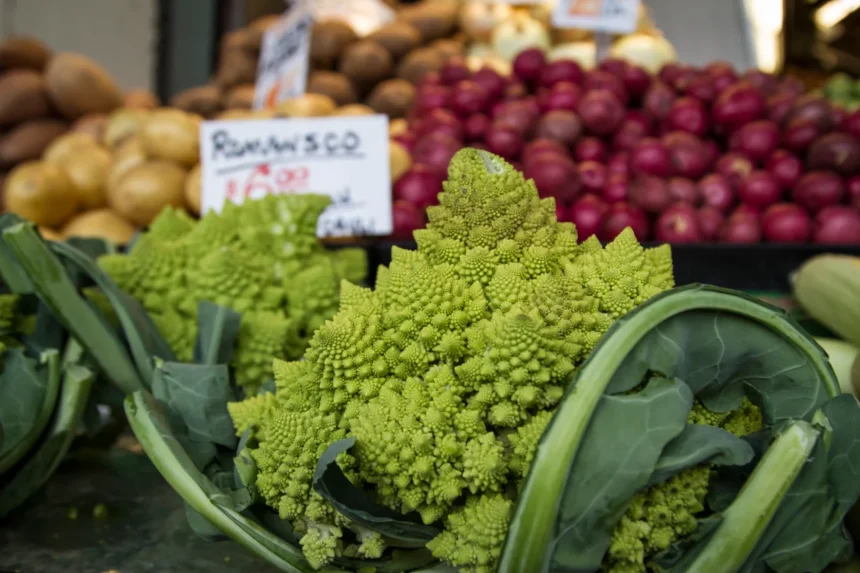
If you have ever wandered through a farmers’ market and spotted a vegetable that looks like it belongs in a science fiction film, you have likely encountered Romanesco. With its lime-green colour and hypnotic fractal patterns, it is often called the most beautiful vegetable in the world. But beyond its aesthetic appeal, learning how to let a Romanesco broccoli grow in your own garden offers a rewarding experience for both your palate and your wellbeing.
This striking plant is a member of the brassica family, making it a close cousin to both broccoli and cauliflower. While it might look intimidating to grow, it is surprisingly manageable if you understand its specific needs. In this guide, we will walk you through everything you need to know to successfully cultivate this heritage variety from seed to harvest.
What is Romanesco?
Technically a cauliflower relative, Romanesco (Brassica oleracea) originates from Italy. It is often described as an edible ornamental because it adds incredible visual interest to garden beds. Structurally, it follows a logarithmic spiral, a phenomenon studied by mathematicians and featured in Nature for its unique biological architecture. Flavour-wise, it is nuttier and crunchier than traditional broccoli, with a delicate sweetness that survives light cooking.
Ideal Growing Conditions
To ensure your Romanesco broccoli grow project is a success, you must mimic its preferred environment. As a cool-season vegetable, it thrives in temperatures between 15°C and 20°C. If the weather becomes too hot, the plant may “bolt” (go to seed prematurely), ruining the edible head.
Key environmental factors include:
- Sunlight: It requires full sun (at least 6 to 8 hours a day).
- Soil: It needs nitrogen-rich soil that is moist but well-drained.
- Soil pH: Aim for a soil pH between 6.0 and 7.5 to prevent clubroot disease. You can find detailed soil advice at the Royal Horticultural Society (RHS).
- Spacing: These plants get large! Give them at least 45-60cm of space to breathe.
The Growing Process: Step-by-Step
Timing is everything when it comes to brassicas. Follow these steps to manage your crop effectively.
1. Seed Sowing
Successful seed sowing usually begins indoors about 4 to 6 weeks before the last frost. Use high-quality compost and keep the trays in a bright, cool spot. If you prefer to sow directly outside, wait until the soil has warmed up in late spring. For precise regional planting dates, the Old Farmer’s Almanac offers excellent schedules.
2. Transplanting
Once your seedlings have at least four true leaves, they are ready for the garden. Before transplanting, “harden off” the plants by placing them outside for a few hours each day to get used to the breeze and temperature shifts. This reduces transplant shock.
3. Maintenance and Feeding
Romanesco is a hungry plant. Apply a balanced organic fertiliser every few weeks. Practising companion planting with herbs like rosemary or dill can help deter pests while improving garden biodiversity, as noted by the National Gardening Association.
Comparing Romanesco to Standard Broccoli
While they share a family tree, there are distinct differences between these two garden favourites.
| Feature | Romanesco Broccoli | Standard Green Broccoli |
|---|---|---|
| Texture | Very crunchy and firm | Softer, fibrous stems |
| Flavour | Nutty, earthy, and mild | Classic “green” earthy flavour |
| Visual | Pointed, fractal spirals | Rounded, tree-like florets |
| Growing Time | 75–100 days | 60–85 days |
Managing Common Challenges
Like all brassicas, Romanesco faces threats from local wildlife and insects. Robust pest management is essential to protect your harvest. The most common culprit is the cabbage white butterfly, which lays eggs that turn into hungry caterpillars. Using fine mesh netting can prevent these butterflies from reaching your plants.
For more organic solutions to common garden invaders, check out the University of California Agriculture and Natural Resources guide on pest control. Regular inspections for aphids and slugs will also keep your plants healthy.
Health and Nutritional Benefits
When you let a Romanesco broccoli grow in your garden, you are growing a nutritional powerhouse. It is packed with vitamin C, which supports immune function and skin health. According to the NHS, including a variety of vegetables in your diet is vital for long-term health.
Other benefits include:
- High Fibre Content: Excellent for digestive health.
- Antioxidants: Helps fight oxidative stress in the body. Read more about antioxidants at the Mayo Clinic.
- Glucosinolates: Compounds found in brassicas that are studied for their potential cancer-preventive properties, as highlighted in PubMed research.
Harvesting Your Romanesco
Knowing the right harvest time is the difference between a delicious meal and a woody, tough vegetable. You should look for curd formation that is tight and firm. The head should be about 10-15cm in diameter.
- Use a sharp knife to cut the head at the base of the stem.
- Keep a few outer leaves attached to protect the head from bruising.
- Harvest in the morning when the plant’s moisture content is highest for the best snap.
If you wait too long, the spirals will begin to separate, and the texture will become grainy. For tips on storing your harvest, Gardeners’ World offers expert advice on keeping vegetables fresh.
Cooking Tips
Romanesco is incredibly versatile. You can eat it raw to enjoy the crunch, but it shines when lightly steamed, roasted with garlic, or added to a stir-fry. Because of its unique shape, it holds sauces beautifully. For recipe inspiration, visit BBC Good Food or explore seasonal ideas in The Guardian.
Frequently Asked Questions (FAQs)
Is Romanesco a broccoli or a cauliflower?
Biologically, it is more closely related to a cauliflower, but it is often marketed and grown as a variety of broccoli. It shares the growing characteristics of both and is often called “Romanesco Cauliflower” in many parts of the world. More details can be found at The Spruce.
How long does it take for Romanesco broccoli to grow?
Romanesco is a slow-growing vegetable compared to standard broccoli. It typically takes between 75 and 100 days from transplanting to reach full maturity. Patience is key! You can track growth stages using resources like Gardening Know How.
Why is my Romanesco not forming a head?
This is usually due to temperature stress. If the weather is too hot or if the plant experienced a significant cold snap during its early stages, it may fail to form a curd. Consistent moisture and timing your planting for cool weather are essential. Further troubleshooting is available at Allotment & Gardens.
Can you eat the leaves of the Romanesco plant?
Yes! Like all brassicas, the leaves are entirely edible and highly nutritious. They can be cooked much like kale or collard greens. For a breakdown of the nutritional value of these greens, visit Healthline.