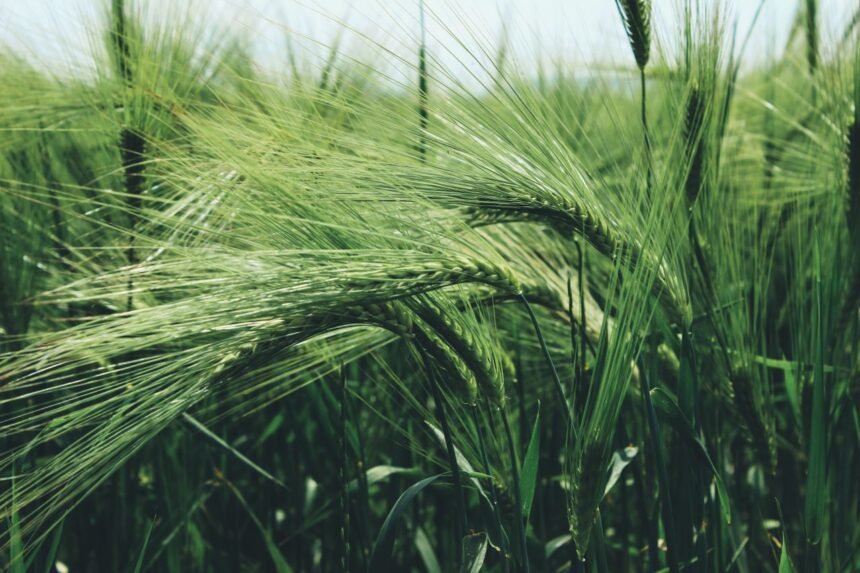
In the world of functional foods, few things have gained as much traction lately as barley grass juice. Often seen as the sophisticated sibling of wheatgrass, this vibrant green elixir is derived from the young barley leaves of the Hordeum vulgare plant. It is celebrated by wellness enthusiasts for its exceptional nutrient density and potential to revitalise health from the inside out.
Whether you are looking to boost your morning routine or seeking natural ways to support your body’s daily functions, understanding the science behind this green giant is essential. In this guide, we will explore the benefits, nutritional makeup, and best ways to incorporate barley grass juice into your lifestyle.
What is Barley Grass Juice?
Unlike the grain itself, which is used to make flour or beer, the juice is extracted from the young, tender blades of the barley plant before it develops seeds. At this stage, the plant is overflowing with minerals, vitamins, and enzymes. Because the human digestive system cannot easily break down the tough cellulose of the grass, the juice or dried juice powder provides a concentrated source of bioavailable nutrients.
Many people opt for organic barley grass to ensure they are avoiding synthetic pesticides while maximising the chlorophyll content. This pigment is what gives the juice its deep emerald hue and is often linked to numerous health perks.
Top 5 Benefits of Barley Grass Juice
Research published in Nature.com and other major journals suggests that the bioactive compounds in green grasses can have a profound impact on cellular health. Here are the primary reasons people are adding this to their diets:
- Powerful Antioxidant Support: It contains saponarin, a potent flavonoid that helps provide free radical protection. This is crucial for reducing oxidative stress, which is linked to premature ageing and chronic illness.
- Rich Amino Acid Profile: It provides a complete amino acid profile, including all eight essential amino acids that our bodies cannot produce on their own.
- Digestive Health: The juice is often used for detoxification support. It may help soothe the lining of the gut and promote regular digestive health.
- Alkalising Properties: Many believe that barley grass juice possesses alkalising properties that help balance the body’s pH levels, especially after consuming processed foods.
- Immune Boost: High levels of Vitamin C and Vitamin A support the body’s natural defences, as noted by the NHS regarding essential micronutrients.
Nutritional Comparison: Wheatgrass vs Barley Grass
A common question in the health community is how this juice compares to its famous rival, wheatgrass. While both are nutritionally superior to most standard vegetables, there are subtle differences in their profiles.
| Feature | Barley Grass Juice | Wheatgrass Juice |
|---|---|---|
| Primary Antioxidant | Saponarin and Lutonarin | Superoxide Dismutase (SOD) |
| Taste Profile | Milder, slightly earthy | Sweet, intense, and pungent |
| Chlorophyll Content | Very High | High |
| Best For | Long-term maintenance | Intensive detox bursts |
The Science of Enzymatic Activity
One of the most unique aspects of barley grass juice is its high enzymatic activity. Enzymes like superoxide dismutase (SOD) play a vital role in neutralising harmful molecules. According to the Mayo Clinic, antioxidants are vital for protecting cells against damage. When the grass is processed correctly—specifically as a cold-pressed juice—these delicate enzymes remain intact, providing a living food source that supports metabolic processes.
Studies found on PubMed indicate that regular consumption of green plant juices can lead to improved lipid profiles and better blood sugar management. However, it is always important to consult with a healthcare professional before starting new supplements, especially if you have underlying conditions.
How to Use Barley Grass Juice in Your Diet
Incorporating this superfood into your daily life doesn’t have to be a chore. There are several ways to utilise it effectively:
- The Morning Shot: Drink 30-60ml of fresh cold-pressed juice on an empty stomach for maximum absorption.
- Superfood Smoothies: Mix superfood powders into your favourite fruit blend to mask the earthy flavour.
- Green Lattes: Whisk the powder into warm (not boiling) plant-based milk with a touch of honey.
When selecting a product, look for “Juice Powder” rather than “Leaf Powder.” Juice powder is more concentrated because the indigestible fibre has been removed, leaving only the nutrient-rich essence of the plant. For more information on dietary guidelines, the World Health Organization (WHO) provides excellent resources on maintaining a balanced diet.
Safety and Side Effects
While generally considered safe for most people, there are a few things to keep in mind. Since it is harvested from the grass and not the grain, it is technically gluten-free. However, cross-contamination can occur. If you have celiac disease, ensure your product is certified gluten-free. Information on allergies can be found via the British Nutrition Foundation.
Some individuals may experience mild digestive upset when first starting. It is best to start with a small amount and gradually increase your intake as your body adjusts to the high nutrient density.
Is it Right for You?
According to Healthline, green juices can be a great way to supplement a diet low in vegetables. However, they should not replace whole greens entirely. If you are looking for a natural energy boost or want to combat the effects of a busy, stressful lifestyle, barley grass juice is a fantastic tool to have in your wellness arsenal.
Frequently Asked Questions (FAQs)
Does barley grass juice contain gluten?
Pure barley grass juice is harvested before the grain develops, meaning it is naturally gluten-free. However, those with severe sensitivities should check for gluten-free certification to avoid any risk of cross-contamination during processing. You can find more details on food safety at WebMD.
What is the best time of day to drink it?
Most experts recommend drinking it first thing in the morning on an empty stomach. This allows for optimal absorption of the vitamins and minerals without interference from other foods. For more on nutrient timing, visit Examine.com.
Can I drink it while pregnant or breastfeeding?
While it is a natural food product, it is essential to consult your GP or midwife. High concentrations of certain vitamins should be monitored during pregnancy. Resources on pregnancy nutrition are available through the Cleveland Clinic and ScienceDirect.
Where can I find reputable research on barley grass?
You can find clinical trials and meta-analyses on the benefits of cereal grasses through the Cochrane Library and Frontiers in Nutrition. For general health tips, Medical News Today and Harvard Health are also excellent sources of information.