For many enthusiasts of freshwater angling, the landlocked salmon represents the pinnacle of sporting challenge. These acrobatic “silver bullets” are biologically identical to their sea-run Atlantic cousins but reside permanently in freshwater lakes. To successfully land these high-energy fish, your landlocked salmon tackle must be precise, durable, and perfectly tuned to their unique behaviours.
Whether you are pursuing silver salmon in the deep lakes of North America or the glacial waters of Scandinavia, understanding your equipment is the first step toward a successful outing. Beyond the thrill of the catch, spending time on the water has been shown to significantly improve mental wellbeing and reduce stress.
Choosing the Right Rod and Reel
The foundation of your setup begins with the rod and reel. Unlike heavy-duty sea fishing, landlocked salmon require light tackle that allows for maximum sensitivity while maintaining enough “backbone” to handle powerful runs.
Selecting the Perfect Rod Action
The ideal rod action for salmon is typically medium to medium-fast. This flexibility acts as a shock absorber when the fish makes its signature leaping escapes. You want a rod that can load properly when using trolling lures but remains sensitive enough to feel a subtle strike in deeper water.
Spinning Reels and Drag Systems
High-quality spinning reels are the standard for most anglers. Look for models with exceptionally smooth drag systems. Landlocked salmon are known for sudden, blistering runs that can snap a line if the drag hesitates. For more information on the biological stressors that make these fish so energetic, you can explore research on Atlantic salmon physiology.
Essential Lures and Baitfish Imitations
Landlocked salmon are sight predators, often feeding on smelt or alewives. Your choice of baitfish imitation is critical to triggering their predatory instinct. During their seasonal migration to shallower waters in the spring and autumn, your presentation should match the size and colour of the local forage.
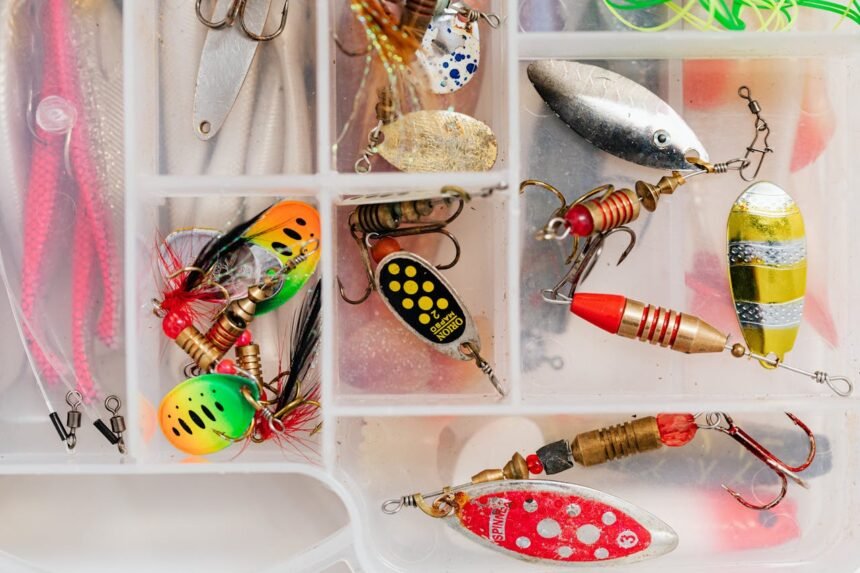
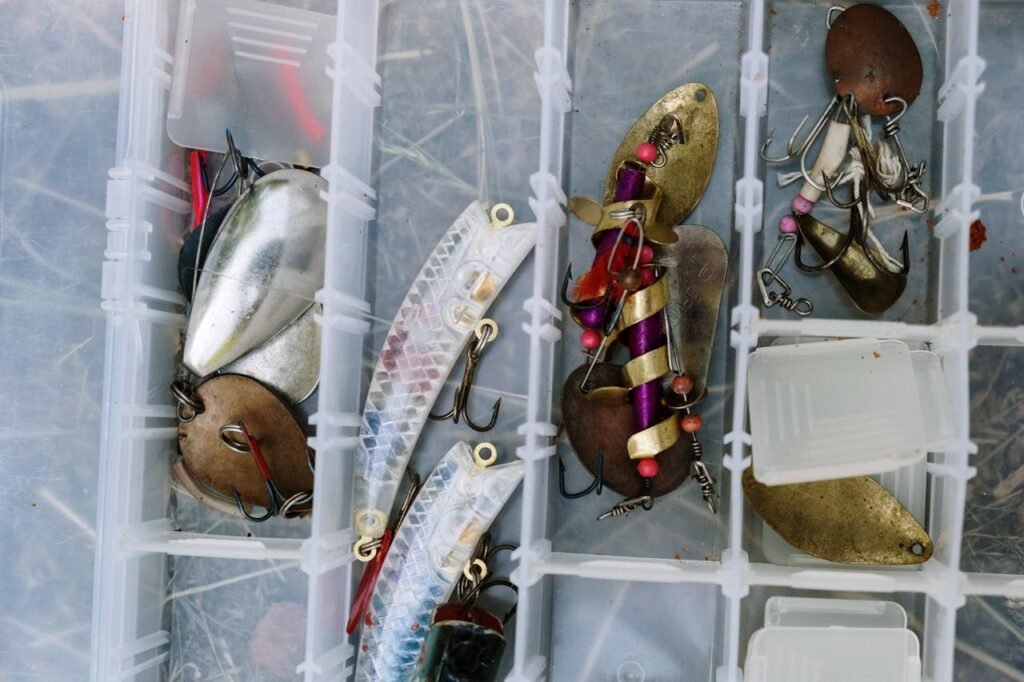
- Spoon Lures: These are the “bread and butter” of salmon fishing. Their fluttering motion mimics a wounded baitfish perfectly.
- Trolling Lures: Often used with downriggers to reach specific depths where the thermocline provides the oxygen-rich, cool water salmon prefer.
- Fly Fishing Setups: Using streamers like the “Grey Ghost” can be incredibly effective during the early season.
The Role of Colour and Flash
In the clear waters of landlocked lakes, the colour of your lure can make or break your day. Bright silvers and blues work best on sunny days, while copper or darker hues may be more effective in overcast conditions. Organizations like the Atlantic Salmon Trust provide excellent resources on the environmental factors affecting these species.
Lines, Leaders, and Connections
Your connection to the fish is only as strong as your weakest link. Modern braided line offers superior sensitivity and a thinner diameter, allowing lures to run deeper. However, because salmon have excellent eyesight, a fluorocarbon leader is essential. Fluorocarbon is nearly invisible underwater and provides better abrasion resistance than standard monofilament.
Trolling Hardware: Downriggers and Planer Boards
Because these fish follow the temperature gradients in deep lakes, much like lake trout gear setups, you must be able to control your depth precisely. State fisheries departments often recommend trolling at depths between 30 and 70 feet during the summer months.
| Tackle Type | Best Use Case | Key Advantage |
|---|---|---|
| Spoon Lures | General Trolling | High flash and vibration |
| Flies (Streamers) | Surface Casting | Natural baitfish imitation |
| Plug Lures | Deep Trolling | Erratic “wounded” action |
| Live Bait | Ice Fishing/Stationary | Scent and real movement |
The Health Benefits of Angling
Angling isn’t just about the landlocked salmon tackle; it’s about the holistic experience. Engaging in outdoor activities has been linked to lower cortisol levels. According to the Mayo Clinic, physical activity in nature is a powerful tool for stress management. Even a quiet day on the water contributes to what Harvard Health calls the nature pill effect.
Sustainability and Conservation
To ensure future generations can enjoy this sport, we must follow local regulations. Many regions require specific licences, such as those issued by the UK Environment Agency. Conservation efforts by the U.S. Fish and Wildlife Service have been instrumental in maintaining landlocked populations through hatchery programmes and habitat restoration.
When selecting your gear, consider using barbless hooks to facilitate easier “catch and release,” which helps maintain healthy populations as outlined by the Angling Trust. You can also learn more about protecting local ecosystems through the Wildlife Trusts.
Advanced Gear Integration
- Utilise a high-quality sonar unit to locate schools of baitfish.
- Adjust your trolling speed—typically between 1.5 and 2.5 knots.
- Maintain your drag systems annually to prevent sticking.
- Choose a rod with a soft tip to prevent tearing the salmon’s relatively delicate mouth.
Research published in Nature suggests that spending just 120 minutes a week in green or blue spaces significantly boosts health. Fishing provides the perfect excuse to meet this quota. For those looking for the best spots to utilise their gear, the National Trust offers access to various pristine waterside locations.
Understanding the nuances of landlocked salmon tackle transforms a simple hobby into a sophisticated pursuit. By combining the right rod action, stealthy leaders, and effective spoon lures, you increase your chances of a memorable encounter with this legendary freshwater fighter. For further reading on specific regional techniques, the Maine Department of Inland Fisheries & Wildlife offers extensive guides on landlocked salmon behaviour.
Finally, always remember that water safety is paramount. Check local weather reports and ensure your vessel is equipped with life jackets before heading out to test your new spinning reels and trolling lures. Scientific bodies like Marine Institute Ireland continue to study the impacts of climate change on salmonids, highlighting the importance of being an informed and responsible angler.
Frequently Asked Questions (FAQs)
What is the best line for landlocked salmon?
Most experts recommend a hybrid approach: a 10-15lb braided line for your main line to provide sensitivity, coupled with a 6-8lb fluorocarbon leader to remain invisible to the fish.
Do I need a downrigger for landlocked salmon?
While not strictly necessary in the spring when fish are near the surface, downriggers are essential during the summer. They allow you to place your landlocked salmon tackle at the exact depth where the fish are holding in cooler water.
What is the most effective lure colour?
Silver and purple or silver and blue combinations are widely considered the most effective. These colours mimic the natural “flash” of smelt, the primary food source for landlocked salmon in most lakes.
Can I use the same gear for lake trout and salmon?
Yes, much of your lake trout gear is interchangeable. However, salmon are generally more acrobatic, so a rod with a slightly softer rod action is preferred to prevent the hook from pulling during jumps.