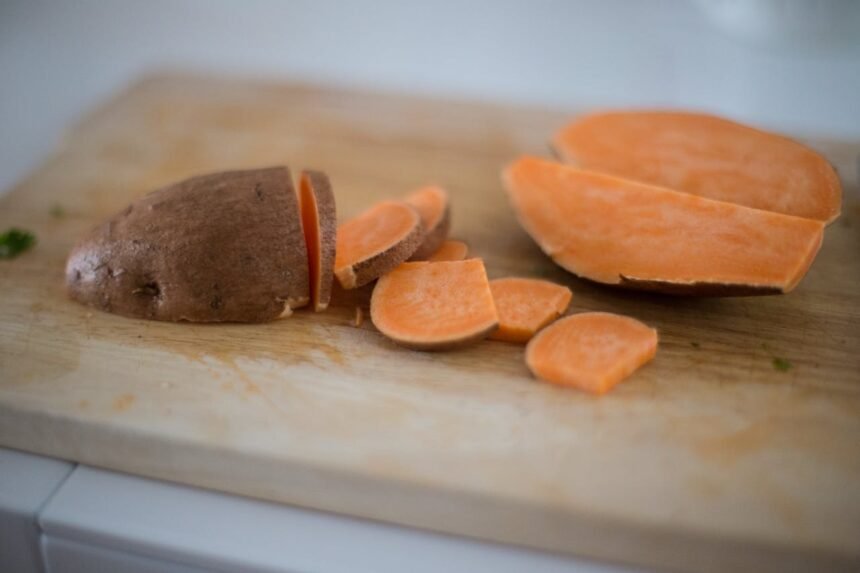
Sweet potatoes are a staple ingredient in many British kitchens, celebrated for their vibrant colour, sweet flavour, and impressive versatility. Whether mashed, roasted, or baked into wedges, they are a comforting addition to any meal.
However, when preparing this root vegetable, many of us reach for the peeler out of habit. The pile of peelings often ends up in the compost bin, but is this culinary custom actually depriving you of essential nutrients?
The short answer is yes, sweet potato skin is entirely edible. In fact, discarding the skin means you are missing out on a significant portion of the vegetable’s health benefits.
While the flesh provides energy and flavour, the sweet potato skin is a concentrated source of fibre, antioxidants, and vitamins. That said, there are specific instances where removing the skin might be necessary, depending on your health profile and how the vegetable was grown.
This article explores the nutritional profile of sweet potato skins, the potential health benefits, risks to consider, and the best ways to prepare them for maximum flavour and safety.
Nutritional Breakdown of Sweet Potato Skin
Sweet potatoes are frequently hailed as a superfood, and for good reason. They are rich in Vitamin A, Vitamin C, and manganese. However, the distribution of these nutrients is not uniform throughout the tuber.
When you peel a sweet potato, you are primarily removing the protective outer layer that interacts with the soil. This layer is dense with nutrients designed to protect the vegetable as it grows.
Fibre Content
One of the most compelling reasons to leave the skin on is the fibre content. Sweet potato skin contains both soluble and insoluble fibre.
According to the USDA FoodData Central, a medium baked sweet potato with the skin provides significantly more fibre than one without. Fibre is essential for maintaining bowel health, lowering cholesterol levels, and controlling blood sugar.
Antioxidant Concentration
The vibrant colour of sweet potatoes—whether orange, purple, or white—is due to naturally occurring plant pigments that act as antioxidants. These are often concentrated in and just beneath the skin.
- Beta-carotene: Found in orange varieties, this converts to Vitamin A in the body.
- Anthocyanins: Found abundantly in purple sweet potato skins, these are linked to reduced inflammation.
Here is a quick comparison of the nutritional impact of peeling:
| Nutrient | Whole Sweet Potato (Baked) | Peeled Sweet Potato (Baked) |
|---|---|---|
| Fibre | High (approx. 3.8g) | Moderate (approx. 2.5g) |
| Potassium | High | Moderate |
| Antioxidants | Very High | High |
| Vitamin C | High | Moderate |
By discarding the skin, you are essentially reducing the nutrient density of your meal.
Health Benefits of Eating the Skin
Incorporating sweet potato skin into your diet does more than just reduce food waste; it actively contributes to various bodily functions.
1. Supports Gut Health
The fibre found in the skin is crucial for a healthy digestive system. As detailed by the Mayo Clinic, dietary fibre increases the weight and size of your stool and softens it, making it easier to pass.
Furthermore, the fibre in sweet potato skins acts as a prebiotic. It feeds the beneficial bacteria in your gut microbiome. When these bacteria ferment the fibre, they produce short-chain fatty acids like butyrate, which fuel the cells lining your colon and keep your gut barrier strong. For more on the importance of the microbiome, see this guide from Harvard T.H. Chan School of Public Health.
2. Enhances Vision and Immunity
Sweet potato skins, particularly those of the orange variety, are loaded with beta-carotene. The body converts this compound into Vitamin A, which is vital for preventing night blindness and maintaining the integrity of your immune system.
The NHS highlights that Vitamin A helps the body’s natural defence against illness and infection work properly. By keeping the skin on, you maximise your intake of this critical fat-soluble vitamin.
3. Antioxidant Protection
Oxidative stress occurs when there is an imbalance of free radicals and antioxidants in your body, potentially leading to cell damage and chronic disease.
Studies suggest that the peels of root vegetables often contain higher antioxidant activity than the flesh. Specifically, purple sweet potato skins are rich in anthocyanins. Research found in PubMed indicates that these compounds have potent anti-inflammatory and anti-carcinogenic properties.
4. Blood Sugar Regulation
For those managing diabetes or insulin sensitivity, how you eat your carbohydrates matters. The fibre in sweet potato skin slows down the digestion of the starches found in the flesh.
This results in a more gradual release of sugar into the bloodstream, preventing sharp spikes in glucose levels. According to Diabetes UK, consuming high-fibre foods helps lower the overall Glycaemic Index (GI) of a meal.
Potential Risks and Downsides
While the benefits are substantial, eating sweet potato skins isn’t suitable for everyone. There are certain compounds and external factors to be aware of.
Oxalates and Kidney Stones
Sweet potatoes contain naturally occurring substances called oxalates. These bind with calcium in the body and can form calcium oxalate kidney stones in susceptible individuals.
The skin of the sweet potato tends to have a higher concentration of oxalates compared to the flesh. If you have a history of calcium oxalate stones, the National Kidney Foundation often recommends limiting high-oxalate foods.
In such cases, peeling the potato or boiling it (which can leach out some oxalates into the water) may be the safer option.
Pesticide Residues
Like many root vegetables, sweet potatoes grow underground and can absorb pesticides used in conventional farming. Additionally, residues may remain on the skin surface.
While the levels are generally considered safe by regulatory standards, some consumers prefer to minimise exposure. To check the cleanest produce options, you can consult resources like the Environmental Working Group’s Shopper’s Guide.
Choosing organic sweet potatoes is an effective way to avoid synthetic pesticides if you plan to eat the skins regularly.
Texture and Digestibility
For some people, the skin can be tough or fibrous, especially if the potato is large or old. If not cooked thoroughly, it can be difficult to chew and digest, potentially causing mild gastric distress in those with sensitive stomachs.
Practical Tips for Preparation
If you decide to keep the skins on, proper preparation is non-negotiable. Sweet potatoes grow in dirt, and they can carry grit, soil, and surface bacteria.
How to Clean Sweet Potatoes
- Rinse: Hold the sweet potato under cold, running water.
- Scrub: Use a vegetable brush to vigorously scrub the skin. This removes dirt and any residues stuck in the divots.
- Dry: Pat them dry with a paper towel or clean cloth before cooking. This is especially important if you want the skin to crisp up.
- Trim: Cut off any woody ends or bruised spots using a paring knife.
Cooking Methods
The way you cook the potato changes the texture of the skin:
- Baking/Roasting: This is the best method for palatable skins. Rub the skin with a little olive oil and salt before baking. The heat dehydrates the skin slightly, making it crispy and nutty rather than chewy.
- Boiling: This results in soft, soggy skin. While nutritious, the texture is often unappealing to many. If you are making mash, you can leave the skin on for a “rustic” texture, but ensure it is boiled until very tender.
- Air Frying: Excellent for making potato wedges or skins. The circulating hot air creates a crunch similar to frying but with less oil.
For more ideas on how to incorporate these tubers into a balanced diet, check out Healthline’s overview of sweet potato benefits.
Creative Ways to Eat Sweet Potato Skins
If you find the texture of the skin on a whole baked potato unappealing, try these alternatives:
- Sweet Potato Skins: Bake the potato, scoop out most of the flesh (save it for mash), and brush the skins with oil. Bake again until crisp, then top with cheese, beans, or yoghurt.
- Rustic Chips: Slice the unpeeled potato into thin rounds or wedges. Toss with paprika and oil, then roast.
- Smoothies: If you have a high-powered blender, you can add cooked, unpeeled sweet potato to smoothies for a fibre boost without noticing the texture.
The Bottom Line
Is sweet potato skin edible? Absolutely.
For the vast majority of people, keeping the skin on is a simple, effective way to boost the nutritional value of your meal. You gain extra fibre, essential vitamins, and gut-supporting antioxidants that would otherwise end up in the bin.
However, context matters. If you are prone to kidney stones or have specific digestive issues, peeling might be the better choice for you.
To get the best experience, always opt for organic where possible, scrub the tubers thoroughly, and choose cooking methods like roasting or air frying to enhance the texture. By making this small change, you can enjoy the full spectrum of benefits this humble root vegetable has to offer.