Psoriasis is more than just a skin condition; it is a persistent challenge that affects physical comfort, mental well-being, and daily life. If you are navigating the red, itchy patches characteristic of this condition, you have likely explored numerous pharmacy solutions.
However, many people are turning towards natural psoriasis remedies to complement their medical treatments. Among these, coconut oil psoriasis treatments have gained significant popularity. Known for its moisturising and anti-inflammatory properties, coconut oil may offer relief for the dryness and scaling associated with flare-ups.
While it is not a cure, incorporating this natural oil into your routine can help manage symptoms effectively. Here is everything you need to know about using coconut oil for psoriasis, backed by science and practical advice.
Overview: What is Psoriasis?
Psoriasis is a chronic autoimmune skin condition that speeds up the growth cycle of skin cells. In people without the condition, skin cells grow and fall off in about a month. In those with psoriasis, this production process can occur in just a few days.
Because the skin cells do not have time to shed naturally, they build up on the surface, forming raised, red patches often covered with silvery scales, known as psoriasis plaques. These plaques can be itchy, painful, and prone to cracking.
According to the NHS, psoriasis affects around 2% of people in the UK. It can appear anywhere on the body, but it is most common on the elbows, knees, scalp, and lower back. Managing the condition often requires a multifaceted approach, including lifestyle changes, hydration, and topical treatments.
Speaking of hydration, maintaining internal fluid balance is crucial for skin health. You might find our guide on The Ultimate Guide to Using Coconut Water Powder for Hydration helpful for maintaining systemic moisture.
The Science: Why Coconut Oil?
Before slathering oil onto your skin, it is helpful to understand why virgin coconut oil benefits those with compromised skin barriers. Coconut oil is composed primarily of medium-chain fatty acids (MCFAs), which behave differently than long-chain fats found in other vegetable oils.
1. Barrier Reinforcement
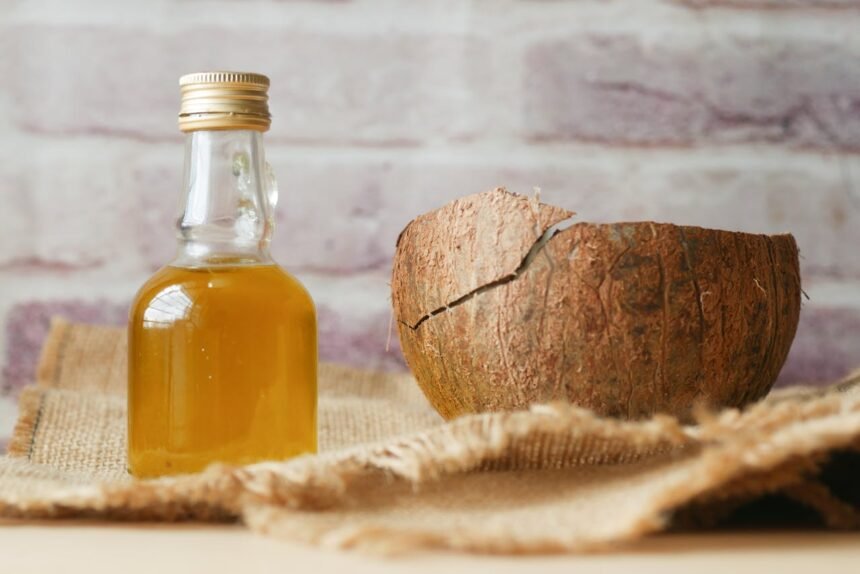
One of the primary issues with psoriasis is a compromised skin barrier. Skin barrier repair is essential to prevent water loss and protect against infection. Coconut oil acts as an occlusive agent, meaning it sits on top of the skin to lock moisture in, preventing the plaques from drying out and cracking further.
2. Anti-Inflammatory Properties
Inflammation is at the root of psoriasis. Research available via PubMed suggests that virgin coconut oil possesses anti-inflammatory and analgesic properties. This makes it a potential candidate for anti-inflammatory skin care, helping to reduce the swelling and redness associated with flare-ups.
3. Antimicrobial Action
Broken skin is susceptible to infection. Coconut oil contains a high concentration of lauric acid. Lauric acid benefits include potent antimicrobial capabilities, which can help reduce the risk of bacterial or fungal infections in open sores or cracked plaques. For a deeper dive into how this works internally, you can read about Does a Coconut Oil Detox Really Help Cleanse Your Body?.
Practical Application: How to Use Coconut Oil
Integrating coconut oil into your regimen is straightforward, but consistency is key. Here are the most effective ways to utilise this natural emollient.
Topical Application for Plaques
The simplest method is direct application. After a shower, when your skin is slightly damp, massage a small amount of virgin coconut oil onto the affected areas. This aids in moisturising dry skin and trapping the water absorbed during washing.
For sensitive areas, ensure you are using a pure product. Interestingly, the gentle nature of coconut oil makes it versatile; for instance, many wonder Is Coconut Oil Lube Safe? A Natural Guide to Personal Lubricants, which highlights its suitability for sensitive skin zones, provided there are no allergies.
Scalp Psoriasis Treatment
Scalp psoriasis can be particularly frustrating due to hair getting in the way of creams. Coconut oil makes for an excellent scalp psoriasis treatment at home.
- Massage: Rub warm coconut oil into your scalp, focusing on the plaques.
- Wrap: Cover your head with a shower cap or towel.
- Wait: Leave it on for at least 30 minutes, or overnight for deep penetration.
- Wash: Shampoo thoroughly. You may need to wash twice to remove the oiliness.
This method is highly effective for softening and removing scales without damaging the hair. For more on scalp conditions, WebMD offers a comprehensive overview of medical treatments that can be used alongside oiling.
The Bath Soak
Adding coconut oil to a warm (not hot) bath can provide widespread relief. The oil disperses in the water and coats the skin gently, soothing itchy skin across the whole body. Be careful when getting out of the tub, as it will be slippery.
The Gut-Skin Connection: Diet and Psoriasis
While topical treatments address the symptoms, many experts believe managing psoriasis requires looking at internal health. The “gut-skin axis” suggests that gut health influences skin inflammation. Adopting a psoriasis diet that lowers systemic inflammation can be beneficial.
Healthy Fats and Nutrients
Incorporating coconut products into your diet might provide internal benefits. For example, A Detailed Look at Raw Coconut Meat Nutrition and Health Facts reveals how the raw meat provides fibre and healthy fats.
Probiotics
Gut health relies heavily on probiotics. Fermented foods are excellent for this. You might consider learning A Guide to Making Probiotic-Rich Coconut Milk Kefir at Home to support your microbiome naturally.
Reducing Sugar
High sugar intake is a known inflammatory trigger. If you are looking to manage weight or inflammation, you might ask, Is Coconut Sugar Keto Friendly? Everything You Need to Know? Swapping refined sugars for alternatives, or using ingredients like coconut vinegar—discussed in Exploring the Health and Digestive Coconut Vinegar Benefits—can be a smart move.
Furthermore, for general cooking, swapping dairy for plant-based options like coconut cream can reduce inflammation for some individuals. Check out How to Use Coconut Cream Powder in Your Daily Recipes for ideas.
Safety and Precautions
While generally safe, coconut oil is not for everyone. It is a potential allergen for some. Always perform a patch test before applying it to large areas of reducing skin redness. Apply a tiny amount to your inner arm and wait 24 hours to see if a reaction occurs.
According to the National Psoriasis Foundation, while natural remedies are helpful, they should rarely replace prescribed treatments. Always consult your dermatologist before making significant changes to your care plan.
Additionally, coconut oil is comedogenic, meaning it can clog pores. If you have acne-prone skin alongside psoriasis, use it cautiously on the face.
Lifestyle Tips for Management
Managing psoriasis is a holistic endeavour. Stress is a massive trigger for flare-ups.
Stress Reduction: Engaging in mindfulness or hobbies can help. Even simple changes to your environment, such as embracing sustainable living, can improve mental clarity. Read about Sustainable Living: Why Every Kitchen Needs a Coconut Shell Bowl to see how small aesthetic changes can promote a calmer lifestyle.
Family Care: Psoriasis and dry skin issues are not unique to humans. If you are a pet owner, you might be interested to know that this remedy is versatile. See The Surprising Benefits of Using Coconut Oil Dogs Can Enjoy to learn how it helps your furry friends.
Medical Support: For persistent symptoms, institutions like the Mayo Clinic provide extensive resources on advanced therapies.
Comparison with Other Remedies
Coconut Oil vs. Mineral Oil:
Mineral oil is a common ingredient in lotions, but it is a petroleum byproduct. Coconut oil offers a natural alternative with added nutritional benefits.
Coconut Oil vs. Specialized Creams:
Prescription creams often contain corticosteroids. While effective, they can thin the skin over time. Coconut oil is safe for long-term use as a natural emollient, though it lacks the potent drug action of steroids. The American Academy of Dermatology notes that while coconut oil is excellent for dryness, it should be part of a broader skincare routine.
For those looking into other natural substitutes in their life, such as in cooking, you might explore Finding the Best Coconut Aminos Substitute for Your Cooking to keep your diet clean and inflammation-free.
The Bottom Line
Using coconut oil for eczema and psoriasis is a safe, natural, and effective way to manage the discomfort of dry, scaling skin. Its ability to lock in moisture, combined with its anti-inflammatory properties, makes it a valuable addition to your bathroom cabinet.
Whether you use it for removing scales on the scalp or as a body moisturiser, it provides a gentle alternative to harsh chemicals. However, remember that psoriasis is a complex condition. Maintaining a healthy diet, reducing stress, and working with your doctor are all vital pieces of the puzzle.
For further reading on skin barrier functions, the National Institutes of Health offers detailed biological insights. Additionally, the National Eczema Association provides resources that, while focused on eczema, are highly relevant for psoriasis sufferers using oils.
By taking a proactive, holistic approach, you can soothe your skin and improve your quality of life.