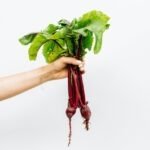
Swiss chard is a nutritional powerhouse, celebrated for its robust profile of vitamins, minerals, and antioxidants. However, for individuals managing cardiovascular conditions with specific anticoagulants, particularly Warfarin (Coumadin), this leafy green presents a unique challenge. The high concentration of Vitamin K in Swiss chard plays a pivotal role in the body’s blood-clotting mechanism, which can directly counteract the effects of blood-thinning medications. This article explores the biological interactions between Swiss chard and anticoagulants, explains the importance of the International Normalized Ratio (INR), and provides actionable strategies for maintaining a balanced diet without compromising medication efficacy.
The Nutritional Profile of Swiss Chard
Swiss chard, a member of the Chenopodioideae family, is chemically and botanically related to beets and spinach. It is renowned for its impressive nutrient density. A single cup of cooked Swiss chard provides over 700% of the daily recommended value of Vitamin K. While this is beneficial for bone health and general coagulation in healthy individuals, it requires careful management for those on vitamin K antagonist therapy. Beyond Vitamin K, Swiss chard is rich in magnesium, potassium, and vitamins A and C, making it a valuable component of a heart-healthy diet when consumed safely.
Understanding the specific nutrient load is essential. While raw chard contains significant Vitamin K, the cooking process wilts the leaves, concentrating the nutrient density per cup. Therefore, a cup of boiled chard contains significantly more Vitamin K than a cup of raw leaves. You can learn more about nutrient density in our guide to identifying superfoods.
The Mechanism: How Vitamin K Affects Blood Clotting
To understand the interaction, one must first understand the role of Vitamin K. This fat-soluble vitamin is essential for the synthesis of proteins required for blood coagulation, specifically factors II (prothrombin), VII, IX, and X. Without adequate Vitamin K, the liver cannot produce these clotting factors efficiently, leading to prolonged bleeding.
Under normal circumstances, the body recycles Vitamin K through the vitamin K-epoxide cycle. This allows for a continuous supply of clotting factors to prevent excessive bleeding from minor injuries. For a deeper dive into how vitamins function in the body, refer to the National Institutes of Health (NIH) Vitamin K Fact Sheet. Additionally, understanding the broader context of vitamin deficiencies can help clarify why maintaining adequate levels is generally recommended for the general population.
How Anticoagulants Like Warfarin Work
Anticoagulants are prescribed to prevent harmful blood clots that can lead to strokes, heart attacks, or deep vein thrombosis (DVT). Warfarin, one of the most common blood thinners, functions as a Vitamin K antagonist. It works by inhibiting the enzyme vitamin K epoxide reductase. By blocking this enzyme, Warfarin reduces the amount of active Vitamin K available to the liver, thereby slowing down the production of clotting factors.
This mechanism creates a delicate tug-of-war. The medication attempts to lower clotting ability, while dietary Vitamin K attempts to boost it. If a patient consumes a sudden influx of Vitamin K—such as a large serving of Swiss chard—it can override the medication’s blockade, rendering the blood thinner less effective and increasing the risk of a clot. Conversely, completely eliminating Vitamin K can make the medication too potent, leading to a risk of hemorrhage. For more on how these medications are managed, read our article on effective medication management. Extensive details on anticoagulant mechanisms are also available through the American Heart Association.
The Importance of INR Monitoring
Physicians monitor the effectiveness of Warfarin using a test called the Prothrombin Time (PT), which is standardized as the International Normalized Ratio (INR). In healthy people not taking blood thinners, the INR is usually around 1.0. For patients on anticoagulants, the target therapeutic range is typically between 2.0 and 3.0, though this can vary based on the condition being treated.
High vs. Low INR
- Low INR (Below Target): The blood is clotting too quickly. This can happen if you suddenly increase your intake of Swiss chard or other greens, providing the liver with enough Vitamin K to overcome the drug.
- High INR (Above Target): The blood is too thin, increasing bleeding risk. This can occur if you drastically reduce your green vegetable intake after your dosage has been set based on a higher intake.
Regular testing is critical. Fluctuations in diet are the most common cause of unstable INR levels. Learn more about the logistics of routine blood work and what the numbers mean. The Centers for Disease Control and Prevention (CDC) offers comprehensive guides on monitoring and diagnosis of clotting disorders.

The “Consistency Rule” in Dietary Management
The outdated advice for Warfarin patients was to avoid leafy greens entirely. Modern evidence-based practice advocates for the “Consistency Rule.” You do not need to banish Swiss chard from your plate; you simply need to keep your intake consistent from day to day and week to week.
If you love Swiss chard and eat a half-cup serving three times a week, your doctor will adjust your Warfarin dosage to accommodate that specific level of Vitamin K. The danger lies in variability. You cannot eat Swiss chard every day for a week and then stop completely the next week. This roller-coaster intake will cause your INR to swing dangerously. Consistency allows for a diverse diet rich in heart-healthy nutrients without compromising safety.
It is vital to communicate any planned dietary changes to your healthcare provider before you make them. If you plan to start a diet that involves more salads or cooked greens, your dosage may need to be increased proactively. For guidance on communicating with your healthcare team, see our post on advocating for your health.
Swiss Chard vs. Other Greens: A Comparison
Not all greens are created equal regarding Vitamin K content. Swiss chard is among the highest, but understanding how it compares to others helps in meal planning. Here is a general hierarchy of Vitamin K potency:
- Very High: Swiss Chard, Kale, Spinach, Collard Greens.
- Moderate: Brussels Sprouts, Broccoli, Cabbage.
- Low: Iceberg Lettuce, Green Beans, Peas.
Because Swiss chard is in the “Very High” category, portion control is more critical than with moderate sources. Mixing Swiss chard with lower-Vitamin K vegetables can help add volume to your meal without spiking your intake. You can find more comparisons in our article about choosing the right salad greens. Detailed nutrient databases are available via the USDA FoodData Central.
The Impact of Cooking on Swiss Chard Interaction
A common misconception is that cooking destroys Vitamin K. In reality, Vitamin K is heat-stable. Cooking Swiss chard does not significantly reduce the amount of the vitamin. In fact, cooking often makes the nutrient more bioavailable and reduces the volume of the greens.
For example, a large bowl of raw Swiss chard might wilt down to a mere half-cup when sautéed. If you consume that half-cup, you are ingesting the Vitamin K equivalent of the entire large raw bowl. This concentration effect is why measuring cooked portions is vital for those tracking their intake. Be mindful of this when following healthy cooking techniques that involve reducing greens. For further reading on food chemistry, the Mayo Clinic provides excellent resources on food-drug interactions.
Newer Anticoagulants (DOACs)
It is important to note that not all blood thinners interact with Swiss chard. Direct Oral Anticoagulants (DOACs), such as rivaroxaban (Xarelto), apixaban (Eliquis), and dabigatran (Pradaxa), work through different mechanisms that do not involve Vitamin K inhibition. Consequently, patients on these newer medications generally do not need to restrict or monitor their Swiss chard intake.
However, you should never assume your medication is free from interactions without verifying. Always confirm with your pharmacist or doctor. We discuss the differences between medication classes in our guide to anticoagulant types. The FDA Consumer Updates page frequently posts information regarding safety profiles of newer medications.
Practical Tips for Meal Planning
Living with dietary restrictions requires strategy. Here are practical steps to enjoy Swiss chard safely while on Warfarin:
- Measure Your Servings: Use a measuring cup to ensure your portion of Swiss chard is exactly what you planned for. Eyeballing portion sizes can lead to accidental spikes in Vitamin K.
- Batch Cook: Prepare your greens for the week at once so you can divide them into equal portions, ensuring daily consistency.
- Keep a Food Diary: specialized apps or a simple notebook can help you track your Vitamin K intake. This record is invaluable if your INR becomes unstable and you need to investigate the cause.
- Read Labels: Be aware of multi-vitamin supplements or green powder drinks, which may contain concentrated Swiss chard or Vitamin K.
For more ideas on structuring your meals, check out our weekly meal planning templates. Additionally, the Academy of Nutrition and Dietetics offers resources for finding a registered dietitian who can help create a customized eating plan.
When to Seek Medical Attention
Even with careful planning, interactions can occur. If your INR drops too low (clotting risk) or spikes too high (bleeding risk), you may experience symptoms. Watch for signs of excessive bleeding, such as unusual bruising, bleeding gums, nosebleeds, or dark stools. Conversely, symptoms of a clot include swelling, pain, or redness in the legs, or sudden shortness of breath.
If you experience these, contact your healthcare provider immediately. Read about identifying medical emergencies to be prepared. Authoritative guidance on symptom checking can also be found at NHS.uk.
Collaborating with Healthcare Providers
Your diet and your prescription are two parts of the same treatment plan. Regular consultations with your cardiologist and a dietitian can help you navigate the complexities of nutrient-drug interactions. Never alter your vegetable intake drastically without scheduling an INR check shortly thereafter. This proactive approach ensures your dosage can be calibrated to your lifestyle, rather than forcing your lifestyle to conform rigidly to a generic standard.
For further reading on holistic heart care, visit our section on integrative cardiology approaches. The Cleveland Clinic also hosts an excellent library of patient education materials specifically regarding the Warfarin diet.
Takeaway
Swiss chard is a nutrient-dense vegetable that poses a specific challenge for individuals taking Vitamin K antagonist blood thinners like Warfarin. The interaction stems from the high Vitamin K content in chard, which can counteract the medication’s ability to prevent clots. However, this does not mean Swiss chard must be eliminated from the diet. The key to safety is consistency. by maintaining a stable daily intake of Vitamin K and monitoring INR levels regularly, patients can enjoy the health benefits of greens while staying safe. Patients on newer blood thinners (DOACs) typically do not face these restrictions but should always consult their healthcare provider to be sure. Prioritize open communication with your medical team to balance nutritional health with effective anticoagulation therapy.