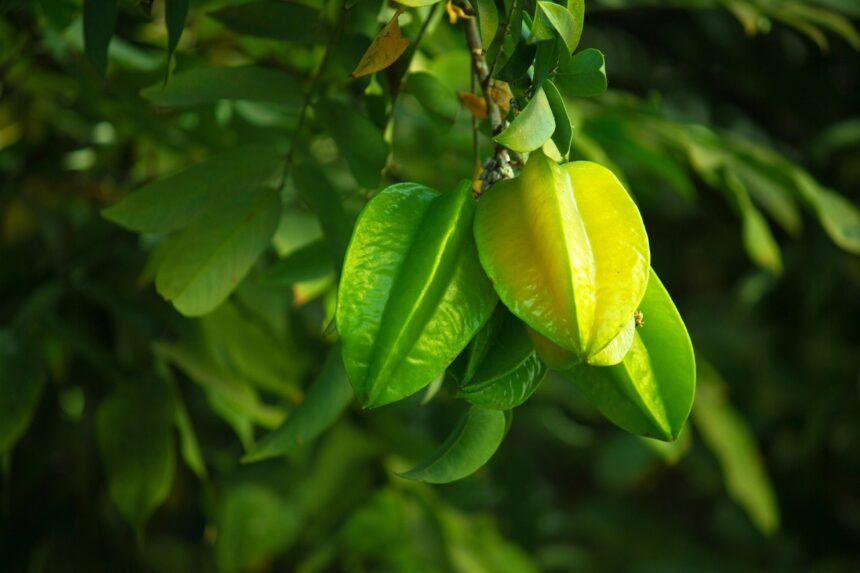
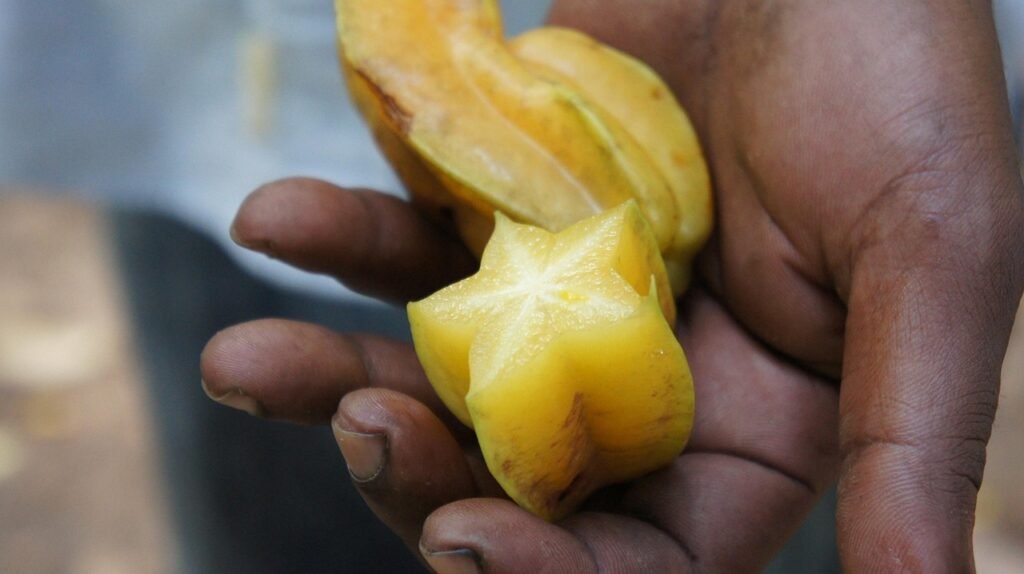
Star fruit, scientifically known as Averrhoa carambola, is a unique tropical fruit that has gained immense popularity in the UK and worldwide for its refreshing flavour and distinctive shape. When sliced horizontally, the fruit resembles a perfect five-point star, making it a favourite garnish for cocktails, salads, and desserts. However, unlike apples or oranges, star fruit has a relatively delicate skin and specific storage requirements. Knowing how to store star fruit correctly is essential to prevent it from becoming brown, mushy, or losing its crisp texture.
Whether you have purchased green, unripe fruit or fully yellow, ripe carambolas, the storage method you choose will directly impact their nutritional value and taste. This guide explores the most effective ways to keep star fruit fresh, the science behind its ripening process, and critical safety information regarding its consumption.
Selecting the Right Fruit for Storage
Before discussing storage methods, it is vital to understand that the shelf life of star fruit begins at the moment of selection. The maturity of the fruit when you bring it home dictates how you should handle it.
Star fruit changes colour as it ripens. An unripe fruit is predominantly bright green and will be very firm to the touch. As it matures, it transitions to a vibrant yellow with hints of light brown along the ridges. For the longest storage potential, look for fruit that is firm, shiny, and free of bruises or shrivelled skin.
If you intend to eat the fruit immediately, choose one that is primarily yellow. If you plan to store star fruit for a later date, purchasing a greener fruit is advisable, as it allows you to control the ripening process at home.
How to Store Star Fruit: The Methods
Proper storage depends on the current ripeness of the fruit and when you plan to consume it. Here, we break down the three primary methods: countertop ripening, refrigeration, and freezing.
1. Countertop Storage (For Ripening)
If your star fruit is green, do not place it in the fridge immediately. Cold temperatures halt the ripening process, meaning a green star fruit placed in the fridge will remain green and tart indefinitely.
To ripen the fruit, keep it on your kitchen counter at room temperature. Ensure it is placed in a fruit bowl with good air circulation, away from direct sunlight which can cause the skin to shrivel. You should turn the fruit occasionally to ensure even ripening.
Key Tip: To speed up the ripening process, you can place the star fruit in a paper bag with an apple or banana. These fruits release ethylene gas, a natural plant hormone that accelerates ripening. Check the fruit daily; once the ridges turn brown and the body is yellow, it is ripe and sweet.
2. Refrigeration (For Freshness)
Once the fruit is ripe (yellow with brown edges), refrigeration is the best method to preserve its crispness and flavour. A ripe star fruit left on the counter will begin to ferment and spoil within a few days.
To store star fruit in the fridge effectively:
- Do not wash the fruit until you are ready to eat it. Moisture on the skin can promote bacterial growth and mould.
- Place the unwashed fruit in a perforated plastic bag or a container with airflow vents. If you seal it in an airtight bag, the moisture released by the fruit through respiration will become trapped, causing it to rot.
- Store the bag in the crisper drawer of your fridge. This drawer is designed to maintain higher humidity levels, which helps prevent the fruit from drying out.
When stored correctly in the fridge, ripe star fruit can last for up to two weeks. According to Healthline, star fruit is a low-calorie but nutrient-dense food, and keeping it cool helps preserve its Vitamin C content.
3. Freezing (For Long-Term Storage)
If you have an abundance of star fruit, freezing is an excellent option, though it will alter the texture. Frozen star fruit loses its crispness upon thawing, making it less suitable for fresh salads but perfect for smoothies, sorbets, or baking.
To freeze star fruit:
- Wash and Dry: Rinse the fruit thoroughly under cool running water. The CDC recommends scrubbing firm produce to remove dirt and germs. Pat dry completely.
- Slice: Cut the fruit horizontally into star-shaped slices. Remove any seeds.
- Flash Freeze: Arrange the slices in a single layer on a baking sheet lined with parchment paper. Place the sheet in the freezer for 2–3 hours until the slices are solid. This prevents them from clumping together.
- Pack: Transfer the frozen slices into an airtight freezer bag or container. Label with the date.
Frozen star fruit will maintain its quality for 10 to 12 months.
Factors That Affect Spoilage
Understanding why star fruit spoils can help you prevent it. Several environmental factors contribute to the degradation of fresh produce.
Ethylene Sensitivity
Star fruit is moderately sensitive to ethylene. While we mentioned using apples to speed up ripening, you should avoid storing ripe star fruit next to high-ethylene producers (like avocados, bananas, or tomatoes) if you want to extend its shelf life. Exposure to excess ethylene once the fruit is already ripe will accelerate decay.
Temperature Fluctuations
Consistency is key. Moving fruit repeatedly between the fridge and the counter can cause condensation to form on the skin. This moisture creates a breeding ground for mould. Once you decide to store star fruit in the fridge, keep it there until consumption.
Physical Damage
The prominent ridges of the carambola are its most vulnerable points. The skin on these ridges is thin and easily bruised. Bruises disrupt the cellular structure of the fruit, leading to oxidation (browning) and rapid spoilage. Handle the fruit with care and avoid stacking heavy items on top of it in the crisper drawer.
Nutritional Value and Freshness
Preserving freshness isn’t just about taste; it is about retaining nutrients. Star fruit is an excellent source of fibre and Vitamin C. According to the USDA, a medium star fruit provides over half of your daily recommended Vitamin C intake.
However, Vitamin C is sensitive to heat and light. Storing the fruit in the cool, dark environment of a refrigerator helps slow down the degradation of this vital antioxidant. Furthermore, the Mayo Clinic highlights that dietary fibre is essential for digestion, and consuming the skin (where much of the fibre resides) is recommended. Keeping the skin fresh and firm is therefore a priority.
Important Safety Warning: Kidney Health
While discussing how to store and eat star fruit, it is critical to address a specific health concern associated with this fruit.
Star fruit contains substances that can affect the brain and cause complications for people with kidney disease. The National Kidney Foundation explicitly warns that people with kidney problems should avoid eating star fruit. The fruit contains a neurotoxin called caramboxin, which healthy kidneys can filter out, but damaged kidneys cannot. This can lead to serious toxicity.
If you have healthy kidneys, the fruit is safe to eat, but moderation is always key. If you are on medication, it is also wise to consult the NHS or your GP, as star fruit can interact with certain drugs in a manner similar to grapefruit.
Practical Tips for Using Stored Star Fruit
Once you have successfully stored your fruit, here are some creative ways to use it:
- Garnishes: The star shape makes it the most decorative fruit available. Use fresh slices on the rim of a glass.
- Salads: Toss crisp, refrigerated slices into a salad with leafy greens, walnuts, and a vinaigrette.
- Smoothies: Use your frozen star fruit slices as a thickener for tropical smoothies.
- Cooking: Star fruit can be cooked with seafood. The tartness cuts through rich flavours, similar to lemon.
Storage Timeline at a Glance
| Storage Method | Condition of Fruit | Expected Shelf Life |
|---|---|---|
| Countertop | Unripe (Green) | 2–5 days (until ripe) |
| Countertop | Ripe (Yellow) | 1–2 days |
| Refrigerator | Ripe (Yellow) | 10–14 days |
| Freezer | Sliced/Puréed | 10–12 months |
Signs of Spoilage
How do you know if your storage method has failed? Look for these signs:
- Mushy Spots: While brown ridges are normal for a ripe fruit, large brown spots on the flat sides of the fruit usually indicate bruising and rot.
- Shrivelled Skin: If the skin looks excessively wrinkled and dry, the fruit has lost its moisture and will have a rubbery texture.
- Fermented Smell: A fresh star fruit smells floral and sweet. If it smells sour, yeasty, or like alcohol, it has begun to ferment.
According to WebMD, consuming spoiled fruit can lead to digestive discomfort, so it is best to compost any fruit showing these signs.
The Bottom Line
Star fruit is a delicious, hydrating, and visually stunning addition to any diet. To enjoy it at its best, you must store star fruit according to its ripeness. Keep green fruit on the counter to ripen, move yellow fruit to the fridge to maintain crispness for up to two weeks, and freeze any excess for long-term use in smoothies.
By managing temperature and humidity, you can preserve the Vitamin C content and the delightful crunch of this tropical gem. Always remember to wash produce thoroughly before eating, as advised by food safety authorities like the FDA.
Whether you are eating it for its glycemic benefits or simply for its taste, proper storage ensures you get the most out of every star-shaped slice.