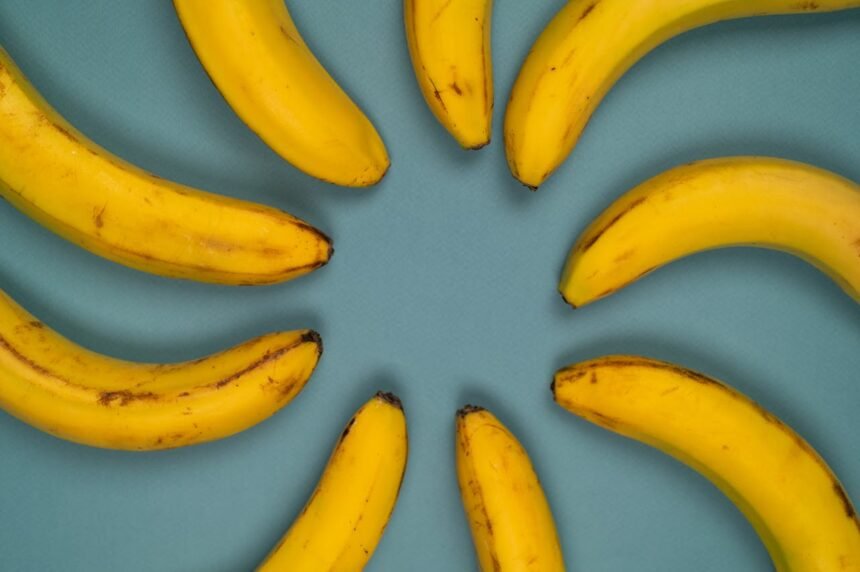
We have all been there. You buy a large bunch of bananas with the best intentions of eating them throughout the week. Yet, despite your healthy ambitions, the week flies by and you are left with a fruit bowl full of brown, spotted bananas.
Instead of feeling guilty or forcing yourself to eat them, there is a simple, waste-free solution: freezing them. Freezing bananas is one of the easiest kitchen hacks to master. It not only saves money but also ensures you always have a key ingredient ready for creamy smoothies or delicious baked goods.
Reducing food waste is a major concern globally. According to WRAP (Waste and Resources Action Programme), UK households throw away a staggering amount of edible food every year. By freezing your fruit, you contribute to a more sustainable kitchen while locking in nutritional value.
Whether you are a smoothie enthusiast or a baking aficionado, knowing exactly how to freeze bananas can elevate your culinary game. This guide covers the six best methods to preserve this versatile fruit.
Overview
Bananas are an incredibly popular fruit, known for their high potassium content, fibre, and natural sweetness. However, they have a notoriously short shelf life once they ripen. As bananas ripen, their starch converts to sugar, making them sweeter but also softer.
Freezing halts this ripening process immediately. This preserves the banana at its peak sweetness, which is ideal for recipes where you want to reduce added sugars. Frozen bananas also gain a unique, creamy texture when blended, often serving as a vegan substitute for ice cream.
While the process seems straightforward, the way you freeze them dictates how easy they are to use later. Throwing a whole bunch in the freezer without preparation can lead to a frustrating experience when you try to peel them later.
Why Freeze Bananas? (Benefits and Ripening)
Before diving into the methods, it is helpful to understand the science and benefits behind freezing this fruit.
Nutritional Retention
Many people worry that freezing destroys nutrients. Fortunately, freezing is an excellent way to preserve vitamins. Bananas are a rich source of vitamin B6, vitamin C, and potassium.
According to the NHS, potassium is essential for helping your heart muscle work properly. Freezing bananas shortly after they ripen locks these nutrients in, whereas letting them rot on the counter leads to nutrient degradation.
Texture Transformation
When you freeze a banana, the water content inside the fruit cells expands and crystallises. This breaks some of the cell walls. While this makes the banana mushy once fully thawed (which is perfect for baking), it creates a dense, creamy texture when the banana is still frozen or semi-frozen.
This texture is the secret behind thick, milkshake-style smoothies and dairy-free desserts.
Reducing Sugar Spikes
Ideally, you should freeze bananas when they are spotted but not fully black. As bananas ripen, their glycaemic index changes. Diabetes UK notes that while fruit sugar is natural, portion control is still important. Freezing bananas in pre-measured portions helps you manage sugar intake in your smoothies effectively.
6 Best Ways to Freeze and Store
Depending on your end goal—whether it is a quick morning smoothie or a loaf of banana bread—different freezing methods work best. Here are the six most effective techniques.
1. The Coin Slice Method (Best for Smoothies)
This is widely considered the gold standard for smoothie preparation. It requires a little work upfront but saves time later.
- Peel the ripe bananas completely.
- Slice them into coins approximately 1 to 2 centimetres thick.
- Arrange the slices in a single layer on a baking tray lined with parchment paper. Ensure they are not touching.
- Flash freeze for about two hours until solid.
- Transfer to an airtight container or freezer bag.
Flash freezing prevents the slices from clumping together into a giant icy brick. You can grab a handful whenever you need them.
2. Whole Peeled Bananas (Best for Simplicity)
If you lack time, this is the most efficient method for preservation.
- Remove the peel entirely.
- Place the whole fruit into a freezer-safe bag.
- Squeeze out as much air as possible before sealing.
While easy, these can be hard to blend in lower-powered blenders. They are excellent if you plan to thaw them later for baking.
3. Mashed Bananas (Best for Baking)
If you know you will be making banana bread or muffins, do the prep work now.
- Mash the bananas in a bowl with a fork.
- Measure them into specific portions (e.g., 200g or 1 cup quantities).
- Store in smaller freezer bags or silicone freezing trays.
- Label the bag with the quantity.
This makes baking incredibly fast; you simply thaw the bag and pour it into your batter.
4. Halved Bananas (Best for Portion Control)
This is a middle ground between slices and whole bananas.
- Peel the bananas.
- Cut them perfectly in half.
- Flash freeze them on a tray before bagging.
This is ideal if your morning smoothie recipe calls for “half a banana.” It removes the guesswork and is easier on blender blades than a whole frozen fruit.
5. Lemon Juice Prep (Best to Prevent Browning)
Bananas oxidise and turn brown when exposed to air. While frozen bananas naturally darken slightly, lemon juice can keep them looking fresh.
- Slice or halve your peeled bananas.
- Toss them gently in a teaspoon of fresh lemon juice.
- Freeze using the flash-freeze method.
The acid inhibits the enzymes that cause browning. This is useful if you use the bananas for fruit salads where aesthetics matter.
6. The “Lazy” Method (Whole Unpeeled)
We generally do not recommend this, but it works in an emergency.
- Place the entire unpeeled banana in the freezer.
- Note: The peel will turn completely black. This is normal.
- To use: You must thaw it slightly before you can remove the peel. It can be messy and slimy.
According to Healthline, while the peel protects the fruit, removing it from a frozen banana can be difficult and frustrating compared to peeling beforehand.
Tips for Management and Storage
Correct storage is vital to prevent freezer burn, which can alter the taste and texture of your fruit.
Choosing the Right Container
- Silicone Bags: These are reusable and eco-friendly. They seal tightly and are durable.
- Glass Containers: Great for mashed bananas, but ensure you leave head-space for expansion so the glass does not crack.
- Plastic Freezer Bags: Effective, but try to wash and reuse them to minimise waste.
Thawing Safely
If you are using bananas for smoothies, do not thaw them. Use them straight from frozen for a thick, creamy texture.
For baking, thaw them in the fridge overnight or defrost them in the microwave on a low setting. According to the Food Standards Agency, you should always ensure food is thawed safely to prevent bacterial growth, though this is less of a risk with fruit than with meat.
Preventing Freezer Burn
Freezer burn occurs when air reaches the food. Always remove as much air as possible from your bags. You can use a straw to suck out excess air from a zip-lock bag before sealing it completely.
Composting Peels
Do not bin the peels! Banana peels are nutrient-dense additives for your garden. The Royal Horticultural Society suggests adding fruit scraps to your compost heap to create rich soil for your plants.
Comparison of Freezing Methods
| Method | Prep Time | Best Used For | Shelf Life |
|---|---|---|---|
| Coins/Slices | High (5-10 mins) | Smoothies, Nice Cream | 6 months |
| Whole Peeled | Low (1 min) | High-power blending, Baking | 6 months |
| Mashed | Medium (5 mins) | Banana Bread, Pancakes | 3-4 months |
| Halves | Low (2 mins) | Smoothies, Portion Control | 6 months |
| Unpeeled | None | Emergency storage only | 2-3 months |
Frequently Asked Questions
Can you freeze brown bananas?
Yes, absolutely. Brown bananas are actually the best candidates for freezing because they are at their sweetest. The brown spots indicate higher sugar content, which means you need less artificial sweetener in your recipes. BBC Good Food recommends using overripe bananas specifically for baking due to this intense flavour.
How long do frozen bananas last?
While they remain safe to eat indefinitely if kept frozen constantly, their quality begins to degrade after about six months. For the best flavour and texture, aim to use them within three to six months.
Why did my frozen bananas turn brown?
This is due to oxidation. Even in the freezer, air can reach the fruit. While they may look unappealing, they are perfectly safe to eat. Using the lemon juice method mentioned above can help mitigate this discolouration.
Is it safe to put hot mashed bananas in the freezer?
No. You should always let mashed bananas cool to room temperature before freezing. Placing hot food in the freezer can raise the internal temperature of the appliance, potentially compromising other stored foods. The British Heart Foundation advises cooling food quickly before freezing to maintain safety and hygiene.
The Bottom Line
Freezing bananas is a simple, effective strategy to reduce food waste and ensure you always have nutritious fruit on hand. Whether you choose to slice, mash, or freeze them whole, the key is removing the peel before they enter the freezer.
By keeping a stash of frozen bananas, you are halfway to a healthy breakfast or a comforting loaf of banana bread at any moment. It saves money, reduces waste, and locks in vital nutrients like potassium and vitamin B6.
Next time you see your fruit bowl turning spotted and brown, do not bin them—freeze them using one of these six easy methods.