Navigating the world of desserts while trying to maintain a balanced diet can often feel like walking a tightrope. On one side, there is the undeniable psychological need for satisfaction and indulgence; on the other, the physiological reality of caloric intake and blood sugar management. For many, chocolate mousse represents the pinnacle of decadence—a rich, airy, cream-heavy dessert that typically signals a ‘cheat day’.
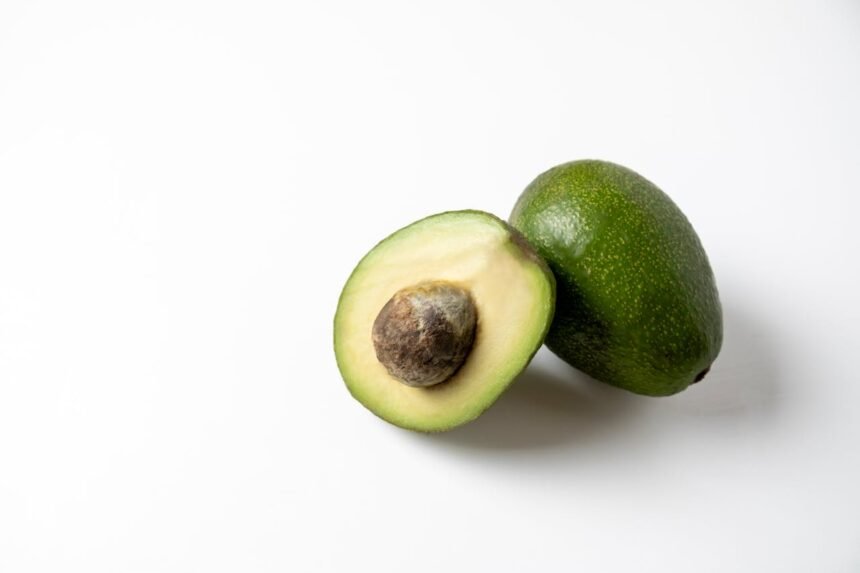
However, the culinary wellness landscape has shifted dramatically in recent years. The emergence of plant-based substitutions has given rise to one of the most popular functional desserts: avocado chocolate mousse. While the combination may initially sound counterintuitive to the uninitiated, the creamy texture of ripe avocados mimics the mouthfeel of dairy cream and eggs perfectly, without the associated saturated fats and cholesterol.
Understanding avocado chocolate mousse calories is essential for those integrating this dish into a weight management plan or a diabetic-friendly diet. Unlike traditional mousse, which provides ’empty calories’ derived primarily from refined sugar and dairy fats, this avocado-based alternative offers a nutrient-dense profile. It transforms a simple treat into a vehicle for essential fatty acids, fibre, and antioxidants.
This article provides an exhaustive analysis of the nutritional makeup of this dish, comparing it to traditional recipes and exploring the science behind why this swap is beneficial for your metabolic health.
Symptoms/Causes: The Caloric Trap of Traditional Desserts
To understand the value of the alternative, we must first diagnose the ‘problem’ presented by traditional chocolate mousse. The craving for such rich foods is not merely a lack of willpower; it is often a physiological response to stress or energy dips. However, satiating this craving with standard desserts leads to a specific set of dietary ‘symptoms’.
The Sugar Spike and Crash
Classic chocolate mousse relies heavily on refined white sugar. When consumed, this causes a rapid spike in blood glucose levels. The pancreas responds by releasing a surge of insulin to manage the sugar load. Once the sugar is metabolised, blood glucose plummets, often leading to lethargy, brain fog, and—crucially—a renewed craving for sugar. This cycle is a primary driver of caloric surplus.
High Saturated Fat Content
The textural integrity of a classic mousse comes from heavy double cream and egg yolks. While delicious, these ingredients are high in saturated fats. Dietary guidelines in the UK suggest that men should eat no more than 30g of saturated fat a day and women no more than 20g. A single serving of restaurant-style chocolate mousse can easily contain over half of this daily limit.
Caloric Density
From a weight management perspective, the calorie density is the most significant issue. A standard 150g serving of traditional chocolate mousse can range between 450 to 600 calories. For an average adult requiring 2,000 calories a day, this single dessert accounts for nearly a quarter of their daily energy allowance, often with very little nutritional return in terms of vitamins or minerals.
Treatment/Management: The Avocado Intervention
The ‘treatment’ for the dilemma of wanting dessert without the dietary fallout is a strategic ingredient substitution. By replacing animal fats with plant-based fats, we alter how the body processes the dessert. Below is the breakdown of the management strategy: the recipe and the specific avocado chocolate mousse calories and nutrient analysis.
The Prescription (The Recipe)
To manage your intake effectively, you must control the ingredients. A standard, health-optimised recipe for two servings involves:
- 1 Large Ripe Avocado: The vehicle for texture.
- 30g Raw Cocoa Powder: The source of flavour and antioxidants.
- 45ml Maple Syrup or Agave Nectar: A lower-glycaemic natural sweetener.
- 1 tsp Vanilla Extract: For depth of flavour.
- 30ml Unsweetened Almond Milk: To adjust consistency.
Nutritional Analysis and Caloric Breakdown
Let us analyse the avocado chocolate mousse calories based on the ingredients above.
1. The Caloric Count
Instead of the 500-calorie bomb of traditional mousse, a serving of this avocado version typically lands between 200 and 250 calories, depending on the size of the avocado and the amount of sweetener used. This is effectively a 50% reduction in energy intake.
2. Monounsaturated Fats
The primary calorie source in this dish is the avocado. However, unlike cream, avocados are rich in oleic acid, a monounsaturated fatty acid. Studies have shown that replacing saturated fats with monounsaturated fats can improve insulin sensitivity and reduce inflammation. This type of fat is also oxidised (burned) for energy more readily than saturated animal fats.
3. Fibre Content
Perhaps the most significant advantage is fibre. A traditional mousse has almost zero fibre. An avocado-based mousse can provide 7g to 10g of fibre per serving. Fibre slows the absorption of sugar into the bloodstream, blunting the insulin spike discussed in the ‘Causes’ section. This leads to prolonged satiety, meaning you are less likely to snack later in the evening.
4. Micronutrient Density
- Potassium: Avocados contain more potassium than bananas. Potassium is vital for maintaining healthy blood pressure levels.
- Magnesium: Raw cocoa powder is an excellent source of magnesium, which aids in muscle relaxation and nervous system regulation.
- Antioxidants: Cocoa is rich in flavonoids, which have been linked to improved blood flow and lower blood pressure.
Managing Flavour Expectations
Patients—or rather, home cooks—often worry about the taste. Does it taste like guacamole? The answer is no. The strong, bitter notes of the cocoa powder and the sweetness of the maple syrup completely mask the mild, grassy flavour of the avocado. The avocado functions purely as a texturising agent.
Tips for Preparation and Storage
To ensure your dietary ‘treatment’ is successful and palatable, follow these guidelines for preparation and storage. The goal is to maximise the nutritional benefits while ensuring the texture rivals that of a French patisserie.
1. Selecting the Right Avocado
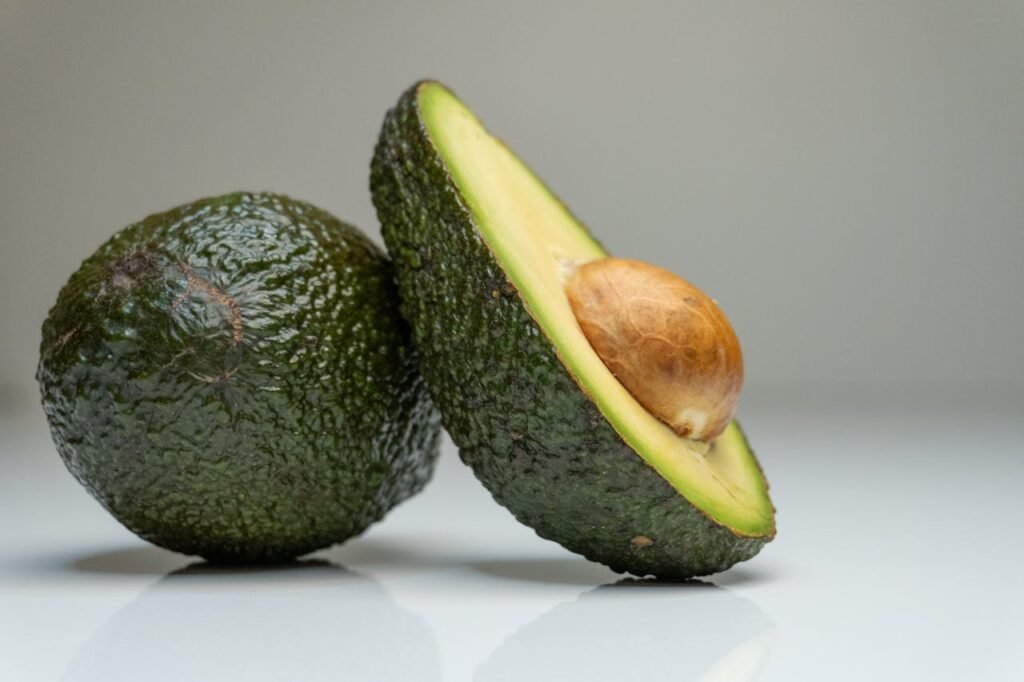
This is the most critical variable. The avocado must be perfectly ripe. If it is under-ripe (hard), the mousse will be grainy and have a distinct vegetable taste. If it is over-ripe (brown spots), the flavour may be fermented. Look for avocados that yield slightly to gentle pressure and have a dark, purplish-black skin.
2. Controlling the Sweetener
To further reduce the avocado chocolate mousse calories, you can swap liquid sweeteners like maple syrup for non-nutritive sweeteners like Stevia or Erythritol. However, be aware that liquid sweeteners add moisture and viscosity, so you may need to add a splash more plant milk if using a powdered sweetener.
3. Boosting Protein
For those managing muscle repair or higher satiety needs, this recipe accommodates protein powder well. A scoop of chocolate pea protein or collagen peptides can be blended in. This transforms the dessert into a viable post-workout recovery snack.
4. Storage and Oxidation
Avocados oxidise (turn brown) when exposed to air. While the cocoa powder hides the colour change, the flavour can degrade.
- Immediate Consumption: It is best eaten fresh.
- Short-term Storage: If you must store it, place it in an airtight container. Press cling film directly onto the surface of the mousse to eliminate air pockets before putting the lid on. It can be refrigerated for up to 24 hours.
5. Texture Troubleshooting
High-speed blending is non-negotiable. A food processor is good, but a high-speed blender is better for obliterating the fibrous strands of the avocado. If the mixture is too thick, add almond milk one teaspoon at a time. Do not add water, as this will separate the oils and result in a ‘split’ texture.
The Bottom Line
The nutritional profile of your dessert choices plays a significant role in your overall metabolic health. Traditional chocolate mousse, while tasty, presents a high caloric load comprised of saturated fats and refined sugars that can disrupt blood glucose and energy levels.
Switching to an avocado-based alternative drastically changes this equation. By focusing on avocado chocolate mousse calories, we see a reduction in energy density by roughly 50%, but the benefits extend far beyond weight management.
This dish introduces essential monounsaturated fats, high levels of dietary fibre, and critical micronutrients like potassium and magnesium into a meal that feels indulgent. It supports heart health, improves satiety, and provides a stable release of energy rather than a crash.
For those seeking a guilt-free way to enjoy chocolate, this substitution is not just a culinary trick; it is a scientifically sound dietary adjustment. Whether you are vegan, keto, or simply health-conscious, this mousse proves that you do not have to sacrifice pleasure for the sake of nutrition.