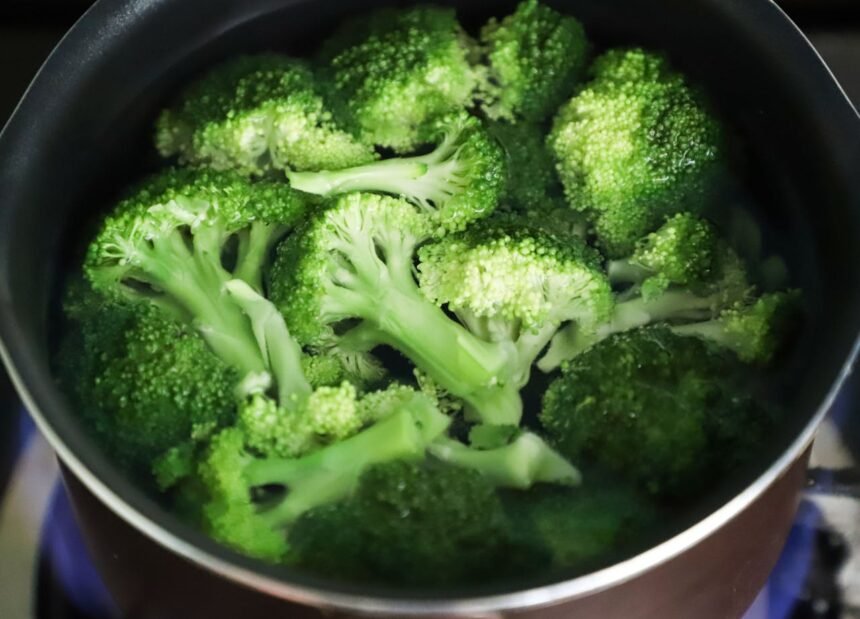
There are few things more disheartening in the kitchen than reaching for a head of broccoli you bought just a couple of days ago, only to find it limp, rubbery, and turning a sad shade of yellow. We have all been there. You have the best intentions of cooking a healthy, nutrient-dense meal, but your fresh produce simply does not last as long as you expect.
Broccoli is a staple in many British households, prized for its versatility and impressive nutritional profile. However, it is also notoriously finicky when it comes to storage. Unlike root vegetables such as carrots or potatoes, which can survive neglect, broccoli requires specific conditions to maintain its crunch and vibrant green colour.
Understanding how to store broccoli properly not only saves you money by reducing food waste but also ensures you are getting the maximum vitamin content from your greens. Research indicates that vegetables can lose a significant portion of their nutrients if stored incorrectly.
Fortunately, keeping your broccoli fresh for up to two weeks is entirely possible with the right techniques. By mimicking the conditions it thrives in, you can enjoy crisp florets whenever you are ready to cook.
Why Does Broccoli Spoil So Quickly?
To understand the best storage methods, it helps to know a little bit about the biology of the vegetable. Broccoli is technically a flower. When you eat the head, you are consuming hundreds of immature flower buds.
Once harvested, broccoli has an exceptionally high respiration rate compared to other vegetables. This means it continues to ‘breathe’ rapidly, consuming its own sugars and losing water in the process. This respiration leads to the breakdown of tissue, resulting in that unappetising limp texture.
Furthermore, broccoli is highly sensitive to ethylene gas. This is a natural plant hormone released by certain fruits and vegetables—such as bananas, tomatoes, and apples—that triggers ripening. If you store your broccoli near these ethylene producers, it accelerates the yellowing process significantly.
Moisture balance is also critical. Broccoli craves humidity to stay crisp, but it despises sitting in standing water, which promotes bacterial growth and mould. The goal of proper storage is to maintain high humidity while allowing for adequate airflow.
The Best Methods to Store Fresh Broccoli
There are three primary methods for storing broccoli in the fridge, depending on how much space you have and how quickly you plan to use it. Here is a breakdown of the most effective techniques.
1. The Bouquet Method (Best for Longevity)
Treating your broccoli like a bouquet of cut flowers is widely considered the gold standard for keeping it fresh. This method provides the stalk with water while keeping the florets dry and crisp.
- Prepare a jar: Fill a glass jar or a heavy-bottomed glass with about an inch or two of cold water.
- Trim the stalk: Use a sharp knife to trim a tiny amount off the bottom of the broccoli stem to open up the cells for water absorption.
- Place the broccoli: Stand the broccoli upright in the water. Ensure only the stalk is submerged; the florets must remain dry.
- Cover loosely: Place a loose plastic bag over the head of the broccoli. Do not seal it. This creates a humid micro-climate around the florets while allowing ethylene gas to escape.
- Store: Place the entire arrangement in the fridge. Change the water every couple of days if it looks cloudy.
This method can keep broccoli fresh for up to two weeks.
2. The Damp Paper Towel Method (Best for Space Saving)
If you do not have the vertical space in your fridge for a jar, the damp paper towel method is an excellent alternative that mimics the humidity of a misting system.
- Mist the broccoli: Lightly spritz the broccoli head with water from a spray bottle. You want it slightly damp, not soaking wet.
- Wrap the stem: Wrap the stalk loosely in a damp paper towel. This provides moisture directly to the stem without suffocating it.
- Bag it up: Place the wrapped broccoli in a perforated plastic bag or a standard food bag left open at the top.
- Refrigerate: Place it in the crisper drawer of your fridge.
According to Love Food Hate Waste, storing broccoli in its original packaging in the fridge helps, but adding that extra moisture control can extend its life significantly.
3. The Blanch and Freeze Method (Best for Long-Term Storage)
If you have bought too much broccoli or grown your own, the freezer is your best friend. However, you cannot simply throw raw broccoli into the freezer. You must blanch it first to stop enzyme activity that causes loss of flavour, colour, and texture.
- Cut into florets: Wash the broccoli and cut it into uniform pieces.
- Blanch: Plunge the florets into a pot of rapidly boiling water for exactly three minutes.
- Shock: Immediately transfer the broccoli to a bowl of iced water for another three minutes. This stops the cooking process instantly.
- Dry and freeze: Drain well and pat dry. Spread the florets on a baking tray and freeze for an hour (flash freezing), then transfer to an airtight bag.
For detailed safety guidelines on freezing vegetables, you can consult resources from the Food Standards Agency.
Comparison of Storage Methods
The following table outlines the efficacy of different storage techniques to help you decide which is right for your kitchen.
| Method | Estimated Shelf Life | Difficulty Level | Best Used For |
|---|---|---|---|
| Bouquet Method | 10–14 Days | Moderate | Whole heads intended for salads or steaming |
| Damp Paper Towel | 5–7 Days | Easy | Quick weeknight meals; crowded fridges |
| Countertop | 1–2 Days | Very Easy | Immediate consumption only |
| Blanch & Freeze | 8–12 Months | Hard | Bulk buying or preserving harvest |
| Plastic Wrap Only | 3–5 Days | Easy | Short-term storage |
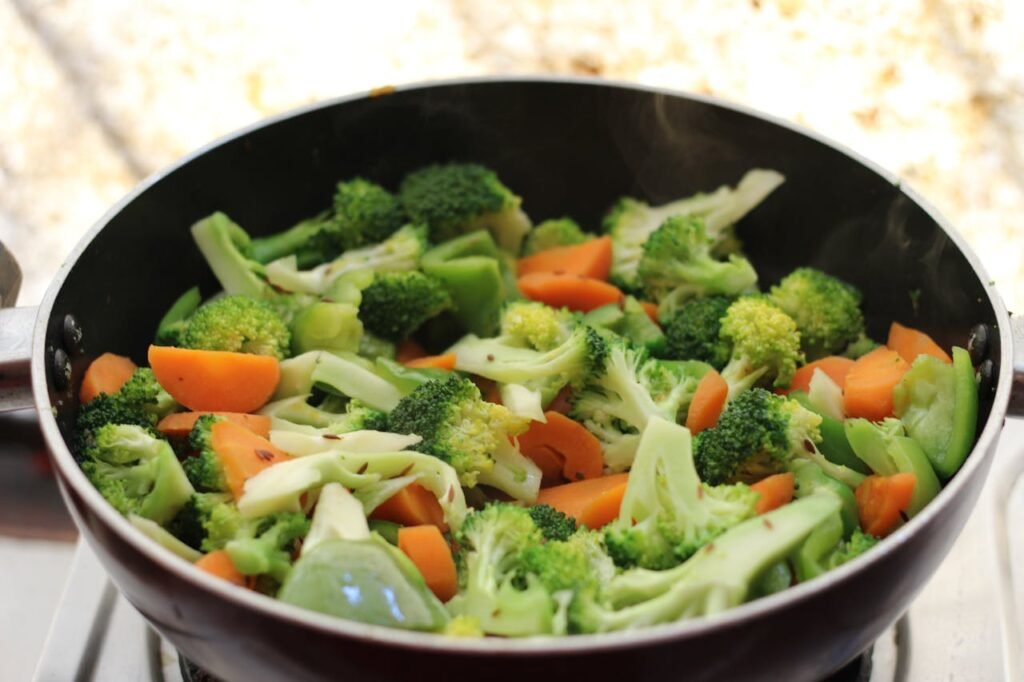
Nutritional Benefits of Keeping Broccoli Fresh
Storing broccoli correctly is about more than just taste; it is about nutrition. Broccoli is a nutritional powerhouse, but its benefits degrade as the vegetable deteriorates.
It is an excellent source of Vitamin C, which supports a healthy immune system. However, Vitamin C is highly unstable and breaks down when exposed to heat, light, and air. By keeping broccoli cool and hydrated, you slow this degradation process.
Broccoli is also high in fibre, which is essential for digestive health and helps lower the risk of heart disease, as highlighted by the British Heart Foundation. Furthermore, it contains sulforaphane, a compound that has been studied for its potential anticancer properties. Cancer Research UK notes that a diet rich in plant-based foods can help reduce cancer risk.
To ensure you are getting the full spectrum of vitamins, including Vitamin K and folate, Healthline recommends eating broccoli as fresh as possible, or properly frozen if fresh isn’t an option.
Signs Your Broccoli Has Gone Off
Even with the best storage methods, produce eventually spoils. It is important to recognise the signs to avoid consuming unsafe food. Trust your senses when inspecting your vegetables.
- Smell: This is usually the first indicator. Fresh broccoli has a mild, earthy scent. If it smells sour, pungent, or noticeably unpleasant, the rotting process has begun inside the florets.
- Colour: As mentioned, broccoli is sensitive to ethylene. As it ages, the vibrant green buds turn yellow. While slightly yellow broccoli is safe to eat (though bitter), fully yellow or brown broccoli should be discarded.
- Texture: The stalk should be firm and snap when bent. If the stem feels soft, bendy, or slimy, the cellular structure has broken down.
- Mould: Look closely at the florets. Grey, fuzzy spots or black patches indicate mould growth. Do not try to cut these bits off; spores often penetrate deeper than the eye can see.
For more advice on what counts towards your daily vegetable intake and how to select the best produce, the NHS 5 A Day guide is an invaluable resource.
Frequently Asked Questions
Should I wash broccoli before storing it?
No, you should avoid washing broccoli until just before you are ready to cook it. Excess moisture on the florets while they sit in the fridge encourages the growth of mould and bacteria. If you buy pre-washed broccoli, ensure it is thoroughly dried before storing.
Can you eat the broccoli stalk?
Absolutely. The stalk is just as nutritious as the florets and contains plenty of fibre. It can be slightly woody, so many people choose to peel the outer layer before chopping it up for stir-fries or soups. BBC Food offers excellent tips on preparing different parts of vegetables to minimise waste.
Is it safe to eat broccoli that has started to flower?
Yes, it is safe, but the texture and taste will change. When the yellow flowers begin to open, the vegetable becomes tougher and more bitter. It is best used in soups or stews where the texture is less important than in a raw salad.
Why does my broccoli smell so strong in the fridge?
Cruciferous vegetables naturally release gases that contain sulphur. However, if the smell is overpowering upon opening the fridge, it likely means the broccoli is past its prime or is not getting enough airflow.
Does organic broccoli last longer?
Not necessarily. Shelf life depends more on freshness at the time of purchase and storage conditions than on farming methods. However, organic produce may have fewer preservative waxes, so following proper storage tips is even more critical. General information on antioxidants in organic versus non-organic foods can be found on Medical News Today.
Can I store broccoli in an airtight container?
It is generally not recommended for raw broccoli. The vegetable needs to breathe. An airtight container traps ethylene gas, accelerating spoilage. Perforated bags or the open-jar method are far superior options.
The Bottom Line
Broccoli is a fantastic addition to any diet, supporting everything from heart health to blood sugar management, a topic frequently discussed by Diabetes UK. However, its benefits are best enjoyed when the vegetable is fresh and crisp.
To prevent the disappointment of limp greens, remember that moisture and airflow are key. The bouquet method is your best bet for longevity, keeping the stalks hydrated while the florets breathe. For long-term preservation, blanching and freezing is the only safe route.
By taking a few extra minutes to store your broccoli correctly as soon as you get home from the shops, you can reduce food waste and ensure your meals are packed with the flavour and nutrition you deserve. According to WRAP, reducing household food waste is a crucial step for the environment, and proper storage is the easiest way to start.