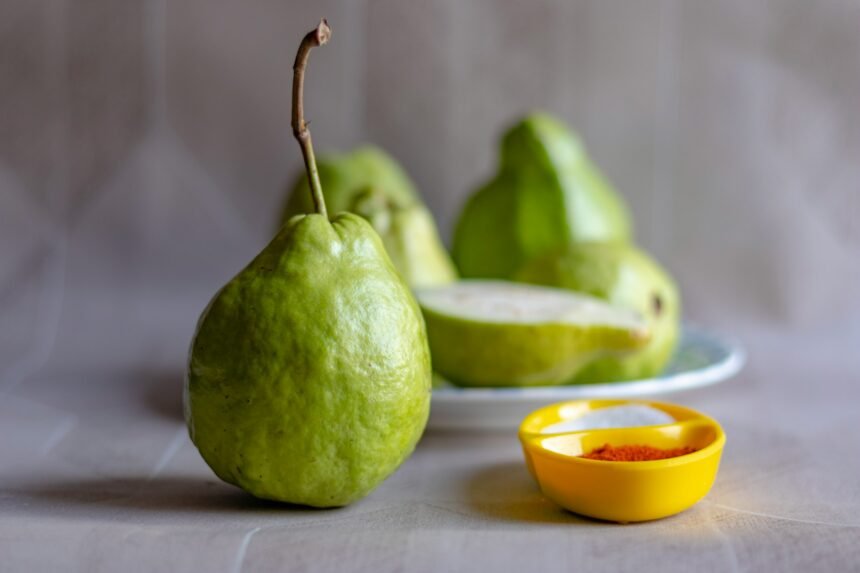
Guava is widely celebrated as a nutritional powerhouse. Bursting with vitamin C, potassium, and dietary fibre, this tropical fruit is a staple in many health-conscious diets. For the vast majority of people, adding guava to their daily routine is a brilliant way to boost immunity and support digestive health. However, even with nature’s most beneficial foods, moderation is essential.
While serious adverse reactions are rare, consuming guava can lead to uncomfortable side effects for certain individuals. Whether it is digestive distress due to high fibre content or potential interactions with specific medications, understanding the risks is just as important as knowing the benefits. It is vital to recognise that a “superfood” label does not automatically guarantee safety for everyone, particularly when consumed in large quantities.
If you have recently noticed bloating, stomach cramps, or other unusual symptoms after eating this fruit, you are not alone. This guide explores the potential downsides of guava, helping you make informed decisions about how to include it in your diet safely. We will delve into the science behind these reactions and provide actionable tips to enjoy this fruit without the worry.
Understanding the nutritional profile and potential risks
To understand why guava might cause side effects, we must first look at what makes it so potent. Guava is exceptionally dense in nutrients. A single fruit contains four times the vitamin C of an orange and a significant amount of fructose and fibre. While these are generally positive attributes, they can overwhelm the body if introduced too suddenly.
High-fibre foods are excellent for bowel regularity, but a sudden spike in fibre intake can lead to temporary digestive chaos. Similarly, the natural sugars found in tropical fruits can be difficult for some digestive systems to process efficiently. This is particularly relevant for those with sensitive stomachs or underlying conditions such as Irritable Bowel Syndrome (IBS).
Furthermore, the consumption of guava leaf extract—often used in supplements or herbal teas—carries a different set of precautions compared to the whole fruit. The concentration of compounds in the leaves can affect blood sugar levels and skin sensitivity. Understanding the distinction between the fruit and its herbal derivatives is crucial for avoiding unexpected complications.
Potential side effects detailed breakdown
While guava is safe for most, specific physiological reactions can occur. Below, we break down the primary concerns, supported by scientific context.
1. Digestive distress and bloating
The most common complaint regarding guava is digestive discomfort. This is largely due to its high fibre content and the presence of fructose.
Fibre Overload:
Guava is rich in soluble fibre. According to the NHS, fibre is essential for digestion, but increasing your intake too quickly can cause gas, bloating, and stomach cramps. If your body is not accustomed to a high-fibre diet, eating multiple guavas in one sitting can act as a shock to the system, leading to temporary abdominal distension.
Fructose Malabsorption:
Like many tropical fruits, guava contains fructose. Individuals with fructose malabsorption may struggle to digest this sugar effectively. When undigested fructose reaches the colon, it is fermented by bacteria, producing gas and causing significant bloating or diarrhoea. If you often feel unwell after eating sweet fruits, this could be the culprit.
2. Hypoglycaemia concerns for diabetics
Guava is often praised for its ability to lower blood sugar levels, making it a popular choice for pre-diabetics. However, this benefit can become a risk for those already on medication.
If you are taking insulin or other drugs to manage diabetes, consuming large amounts of guava—especially guava leaf tea—might cause your blood sugar to drop too low, a condition known as hypoglycaemia. Diabetes UK emphasises the importance of monitoring glucose levels when changing your diet. It is essential to consult your GP before using guava extracts as a therapeutic aid.
3. Dental health risks
Despite being a fruit, guava contains natural sugars that can contribute to tooth decay if proper oral hygiene is not maintained. Furthermore, unripened guavas are incredibly hard.
Biting into a rock-hard, unripe guava can cause micro-fractures in tooth enamel or damage orthodontic appliances. The Oral Health Foundation suggests minimising the frequency of sugar attacks on teeth. Consuming ripe, softer fruit is far safer for your dental integrity than gnawing on hard, green guavas.
4. Skin irritation from leaf extracts
While the fruit is generally safe for the skin, guava leaf extract contains chemicals that can cause irritation in some people. Those with sensitive skin or eczema might experience a worsening of symptoms if they use topical products containing guava leaf extract. Always perform a patch test before applying new herbal remedies to your skin.
5. Risk of bacterial contamination
Like all fresh produce, guavas are susceptible to bacterial contamination. The textured skin of the guava can harbour pathogens such as Salmonella or E. coli if not washed thoroughly. The Food Standards Agency recommends washing all fruit and vegetables under running water before eating to remove bacteria and pesticide residues.
6. Appendicitis myth vs. reality
There is a persistent belief that guava seeds can get trapped in the appendix and cause appendicitis. While theoretically possible, medical research suggests this is extremely rare. Most seeds pass through the digestive tract harmlessly. However, if you have a history of diverticulitis, you may be advised to avoid fruits with small, hard seeds to prevent irritation of the diverticula.
Comparative data: Nutrient density vs. tolerance
To help you visualise why moderation is necessary, the following table compares the nutritional content of guava against typical daily limits and potential trigger points for sensitive individuals.
| Factor | Content in 1 Cup Guava (165g) | Daily Recommended Intake | Potential Side Effect Threshold | Risk Summary |
|---|---|---|---|---|
| Dietary Fibre | ~9 grams | 30 grams | >40-50g (Sudden increase) | Rapid intake causes gas/bloating. |
| Vitamin C | ~370 mg | 40 mg | >2000 mg | Low risk, but mega-doses can cause nausea. |
| Fructose | ~9 grams | Variable | Varies by individual | Triggers IBS/malabsorption symptoms. |
| Potassium | ~680 mg | 3500 mg | Restricted in kidney disease | Risk for those with hyperkalaemia. |
Actionable tips for consuming guava safely
Enjoying the health benefits of guava without the side effects is entirely possible with a few simple adjustments to your routine.
Prioritise ripeness
Always ensure the guava is ripe before eating. A ripe guava should yield slightly to gentle pressure, similar to a ripe avocado. Eating unripe guava is not only difficult for your teeth but also contains higher levels of acidity, which can aggravate heartburn or acid reflux.
Gradual introduction
If you do not currently eat a high-fibre diet, introduce guava slowly. Start with half a fruit to see how your digestive system responds. This allows your gut bacteria to adjust to the increased fibre load, reducing the likelihood of gas.
Hydration is key
Fibre needs water to move through the digestive system effectively. When increasing your intake of fibrous fruits like guava, you must simultaneously increase your water intake. Without adequate hydration, high fibre can lead to constipation rather than relieving it.
Peel the skin if necessary
While the skin is edible and rich in nutrients, it is also where the majority of fibre and potential environmental contaminants reside. If you have a particularly sensitive stomach, peeling the fruit may make it easier to digest. Additionally, this removes any residual waxes or pesticides that might linger despite washing.
Monitor portion sizes
Even healthy foods have calories and sugars. Sticking to one portion (approx. 80g or one medium fruit) counts as one of your 5-a-day without overloading your system with fructose. The British Heart Foundation reminds us that variety is crucial; do not rely solely on one type of fruit for your nutritional needs.
Frequently asked questions
Can I eat guava seeds?
Yes, the seeds are edible and safe for most people. They are extremely hard, so it is best to swallow them whole or chew them very carefully. If you have digestive issues like diverticulosis, consult Guts UK or your GP, as you may need to avoid them.
Is guava safe during pregnancy?
Generally, yes. Guava provides folate and vitamin C, which are beneficial during pregnancy. However, because pregnant women are more susceptible to foodborne illnesses, washing the fruit thoroughly is non-negotiable. Avoid unverified herbal supplements containing guava leaf extract during pregnancy unless approved by a doctor.
Can guava cause hyperkalaemia?
Guava is high in potassium. For most people, this is beneficial for blood pressure. However, for individuals with chronic kidney disease who must limit potassium intake, eating large amounts of guava could be dangerous. Always follow the dietary advice provided by your renal specialist.
Does guava interact with latex allergies?
There is a condition known as latex-fruit syndrome. According to Allergy UK, some people who are allergic to latex may also react to certain fruits, including kiwi, banana, and avocado. While guava is less commonly associated with this than avocados, cross-reactivity is possible. If you have a latex allergy, proceed with caution.
Is it safe to drink guava leaf tea daily?
While generally considered safe, long-term safety data is not as robust as for the fruit itself. Due to its potency in lowering blood sugar, daily consumption should be monitored, especially if you experience light-headedness or fatigue. Consult a medical professional if you are unsure.
The bottom line
Guava is undoubtedly a nutritious addition to a balanced diet, offering impressive levels of vitamin C and fibre. However, it is not without its potential drawbacks. The high fibre content can cause digestive upset if introduced too quickly, and its natural sugars may trigger issues for those with fructose sensitivity.
For individuals with specific health conditions—such as diabetes or kidney issues—mindful consumption is critical. By choosing ripe fruit, washing it thoroughly, and moderating your portion sizes, you can minimise these risks significantly. Always listen to your body; if you notice adverse reactions, reduce your intake and consult a healthcare professional. Ultimately, the key to enjoying guava lies in balance and awareness of your own body’s needs.