Green peas are often dismissed as a humble side dish, the sort of vegetable you might find hidden in a shepherd’s pie or served alongside a Sunday roast. However, for vegetarians and vegans, these small legumes pack a powerful nutritional punch. Specifically, the iron in green peas represents a vital resource for maintaining energy levels and overall health.
Iron deficiency is the most common nutritional deficiency worldwide, and those following a plant-based diet are often told they are at higher risk. While it is true that plant-based iron differs from animal-based iron, understanding how to utilise it effectively can change the game completely.
By combining green peas with the right foods and understanding the mechanics of absorption, you can transform this freezer staple into a superfood for your blood health. Here is everything you need to know about optimising iron intake from green peas.
Overview: The Nutritional Profile of Peas
Before diving into absorption strategies, it is essential to understand exactly what green peas bring to the table. They are legumes, belonging to the same family as lentils, chickpeas, and beans, though they are often treated culinarily as vegetables.
A standard serving of cooked green peas (approximately 160 grams or one cup) contains roughly 2.5 mg of iron. For context, the recommended daily intake (RDI) of iron varies by age and gender, but generally sits around 8.7 mg for men and 14.8 mg for women aged 19 to 50 in the UK.
Beyond iron, peas are rich in:
- Fibre: Essential for digestive health.
- Protein: Vital for tissue repair.
- Vitamin A, C, and K: Crucial for immune function and bone health.
- Manganese: A trace mineral that supports metabolism.
While 2.5 mg might not sound like a massive amount compared to a steak, it is significant in the context of a varied vegetarian diet. However, the amount of iron you eat is only half the battle; the amount you absorb is what truly matters.
Causes and Factors: The Bioavailability Challenge
To understand why vegetarians need to be strategic, we must look at the science of bioavailability. Not all iron is created equal. Dietary iron comes in two forms:
- Haem Iron: Found in animal products like red meat, poultry, and fish. It is highly bioavailable, meaning the body absorbs it easily (about 15-35%).
- Non-Haem Iron: Found in plant foods, including the iron in green peas, spinach, and fortified cereals. This form is less easily absorbed (about 2-20%).
The body regulates non-haem iron tightly, absorbing more when stores are low and less when stores are sufficient. However, because its structure is different, it is sensitive to the chemical environment in your gut. This is where dietary planning becomes essential.
The Role of Phytates
Legumes, including peas, contain naturally occurring compounds called phytates (phytic acid). Phytates bind to minerals like iron and zinc, creating a complex that the body struggles to break down. This can reduce the absorption of iron from the peas themselves.
However, this does not mean you should avoid peas. Phytates also have antioxidant properties and are beneficial for health. The goal is not to eliminate them, but to use culinary strategies to neutralise their inhibitory effects on iron absorption.
Treatment and Management: Boosting Absorption
If you rely on the iron in green peas as a staple of your diet, you can significantly increase the amount your body utilises by paying attention to food combinations. This is often referred to as ‘bio-hacking’ your meal.
1. The Vitamin C Powerhouse
The most potent tool in a vegetarian’s arsenal is Vitamin C (ascorbic acid). When consumed largely at the same time as non-haem iron, Vitamin C captures the iron and keeps it in a form that is much easier for the body to absorb.
Research suggests that adding just 100 mg of Vitamin C to a meal can increase iron absorption by up to 67%.
Excellent pairings for peas include:
- Squeezing lemon juice over boiled peas.
- Mixing peas into a salad with red bell peppers (capsicum).
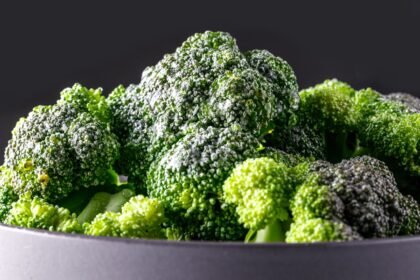
- Serving peas alongside broccoli or Brussels sprouts.
- Having a glass of fresh orange juice with your meal.
2. Vitamin A and Beta-Carotene
While Vitamin C gets the spotlight, Vitamin A and beta-carotene are also effective enhancers. Studies indicate that adding beta-carotene-rich foods to a meal can triple iron absorption.
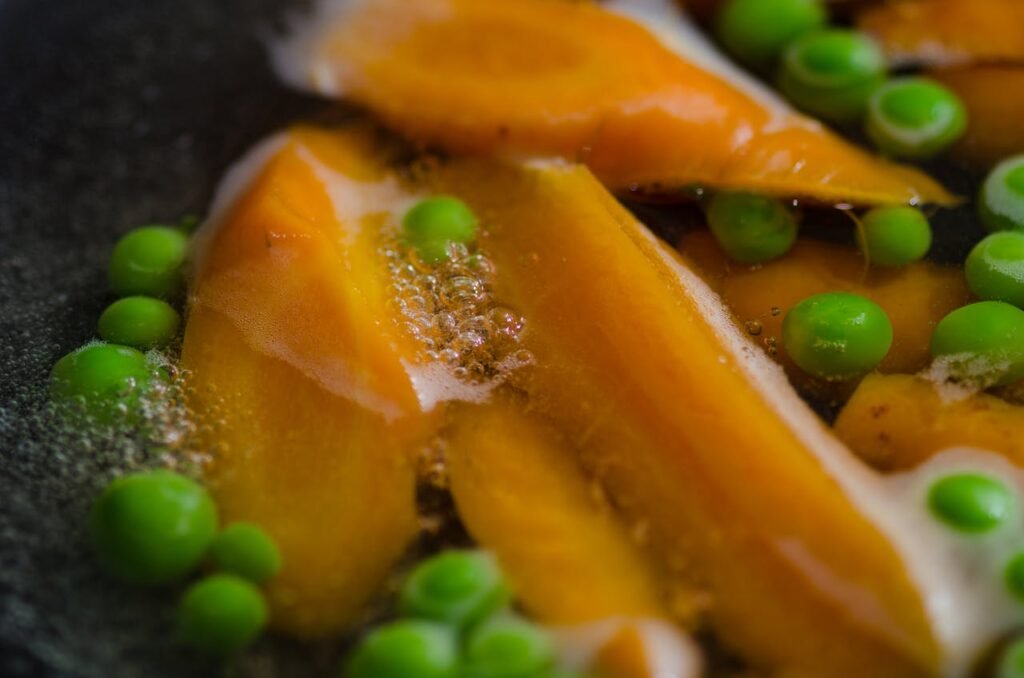
Green peas naturally contain some Vitamin A, but pairing them with carrots, sweet potatoes, or pumpkin can create a synergistic effect, maximising the uptake of the mineral.
3. Kitchen Preparation Techniques
How you prepare your peas matters. While fresh and frozen peas are excellent, processing techniques can alter nutrient availability.
- Soaking and Sprouting: If you are using dried peas (split peas), soaking them overnight and rinsing them thoroughly can reduce phytate levels, freeing up the iron for absorption.
- Fermentation: Fermenting pea protein (often found in vegan protein powders) can significantly improve digestibility.
- Cooking Method: Briefly steaming or boiling peas is generally preferred. While boiling can leach some Vitamin C into the water, it also breaks down cell walls, making the iron more accessible. To get the best of both worlds, use the cooking water in soups or stews.
Practical Tips: Avoiding the Inhibitors
Just as some foods act as accelerators, others act as brakes. To get the most out of the iron in green peas, you need to be mindful of what you are consuming alongside them.
The Tea and Coffee Rule
This is the most common pitfall. Tea and coffee contain polyphenols and tannins, which are potent inhibitors of iron absorption. Drinking a strong cup of tea with a meal can reduce iron absorption by 50-60%.
The Fix: Enjoy your tea or coffee at least one hour before or after your iron-rich meal. This allows your body time to process the minerals without interference.
Calcium Competition
Calcium is essential for bone health, but it interferes with the absorption of both haem and non-haem iron. If you are taking a calcium supplement, do not take it with your iron-rich lunch.
If you are making a cheesy pea pasta, be aware that the calcium in the dairy (or fortified plant milk) might hinder the iron uptake slightly. It is all about balance—perhaps rely on a different meal for your primary iron intake that day.
Table: Iron Friends vs. Foes
| Iron Enhancers (Eat with Peas) | Iron Inhibitors (Separate from Peas) |
|---|---|
| Red Peppers | Black Tea |
| Citrus Fruits (Lemon, Orange) | Coffee |
| Tomatoes | Red Wine |
| Broccoli | Calcium Supplements |
| Carrots | Antacids |
| Strawberries | Dairy Products (in large amounts) |
Signs You Might Need More Iron
Even with the best diet, some individuals may struggle to maintain adequate iron levels. This is particularly true for menstruating women, pregnant women, and endurance athletes.
If you are consuming plenty of iron in green peas and other legumes but still feel unwell, watch for these symptoms of iron deficiency anaemia:
- Extreme fatigue: Feeling tired despite sleeping well.
- Pale skin: A loss of healthy colour in the face and inner eyelids.
- Shortness of breath: Struggling to catch your breath during routine activities.
- Heart palpitations: Noticeable heartbeats.
- Brittle nails or hair loss: Physical signs of nutrient depletion.
If you suspect a deficiency, consult a General Practitioner (GP). They can perform a simple blood test to check your haemoglobin and ferritin (iron storage) levels. Do not start high-dose iron supplements without medical advice, as too much iron can be harmful.
The Bottom Line
Green peas are a versatile, affordable, and nutritious addition to any diet. For vegetarians, the iron in green peas contributes significantly to daily mineral targets.
While non-haem iron is harder for the body to absorb than the iron found in meat, simple dietary tweaks can bridge the gap. By pairing your peas with Vitamin C-rich foods and timing your tea and coffee consumption appropriately, you can ensure your body gets the fuel it needs.
Remember, nutrition is cumulative. It is not about a single perfect meal, but about consistent, healthy habits over time. So, go ahead and add that extra scoop of peas to your plate—your blood cells will thank you.