Eating seasonally is not merely a culinary trend; it is a sustainable lifestyle choice that supports local agriculture, reduces carbon footprints, and ensures you are consuming produce at its peak nutritional density. Among the most versatile garden vegetables, the green bean is a staple in British kitchens.
However, due to year-round availability in supermarkets—often sourced from Kenya, Egypt, or Morocco—many consumers have lost track of when the actual green bean season UK takes place. Understanding this timeline allows you to enjoy fresher, crispier beans that have not travelled thousands of miles to reach your plate.
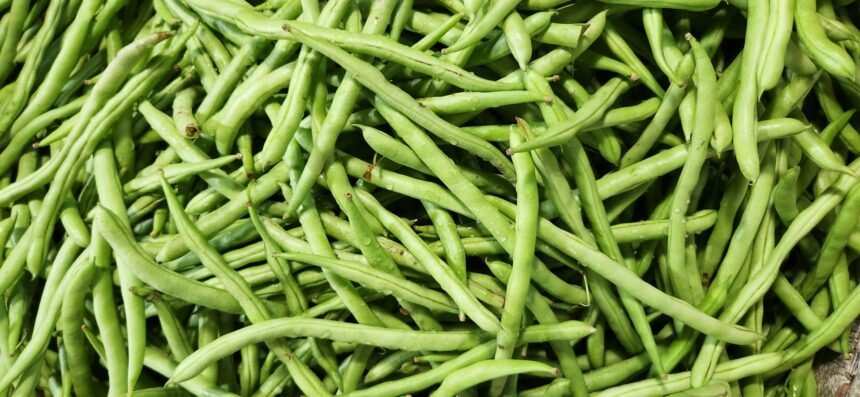
Green beans (also known as French beans, string beans, or snap beans) offer a distinct crunch and sweet flavour when harvested locally. Whether you are a keen gardener or a conscientious shopper, aligning your consumption with the British growing calendar can significantly enhance your culinary experience.
This article explores the seasonality of green beans in the UK, the factors affecting their quality, how to manage storage and preparation, and practical tips for selecting the best produce.
Overview
In the United Kingdom, the outdoor growing season is dictated by our temperate maritime climate. Unlike root vegetables which can be stored through winter, green beans are a summer crop that thrives in warmer soil.
Generally, the prime green bean season UK runs from mid-July to late September, though with the aid of polytunnels and glasshouses, this window can extend from June through to October.
The Seasonal Calendar
- June: Early varieties grown under cover (polytunnels) begin to appear in farmers’ markets.
- July: The start of the main outdoor harvest. Prices drop and availability soars.
- August: Peak season. This is when beans are most abundant, flavourful, and affordable.
- September: Late harvest continues. Runner beans are particularly prolific during this month.
- October: As temperatures drop, the season winds down. You may find the last crops before the first frosts arrive.
Outside of these months, almost all fresh green beans found in UK supermarkets are imported or grown in energy-intensive heated greenhouses. By purchasing within this summer window, you are supporting British farmers and reducing the “food miles” associated with air-freighted produce.
Factors Influencing Quality and Varieties
While we often group them together, there are several “factors”—biological and environmental—that distinguish the different types of beans available during the British summer. Understanding these varieties helps in selecting the right bean for your nutritional needs and culinary applications.
1. Varieties of British Beans
While “green bean” is the catch-all term, the UK season brings a specific variety of legumes to the forefront:
- French Beans (Phaseolus vulgaris): These are what most people envision as a standard green bean. They are round, slender, and harvested while the pod is still tender. They can be dwarf (low growing) or climbing.
- Runner Beans (Phaseolus coccineus): A British allotment favourite. These are flatter, coarser, and possess a more robust flavour. They require stringing (removing the fibrous side) unless picked very young.
- Broad Beans (Vicia faba): Although different in structure, they often overlap in season (peaking slightly earlier in June/July).
2. Nutritional Factors
Green beans are a nutritional powerhouse. They are low in calories but dense in essential micronutrients. According to Healthline, green beans are an excellent source of vitamins C, K, and A.
Key nutritional benefits include:
- Fibre Content: Essential for digestive health. A diet high in fibre helps regulate blood sugar levels and lowers cholesterol.
- Vitamin K: Critical for blood clotting and bone health. One cup of green beans provides a significant portion of your daily requirement.
- Folate (Vitamin B9): Vital for cell division and DNA synthesis, making it especially important during pregnancy.
| Nutrient | Benefit |
|---|---|
| Vitamin C | Supports immune function and collagen production. |
| Vitamin K | Essential for bone metabolism and blood clotting. |
| Fibre | Aids digestion and promotes satiety. |
| Silicon | A trace mineral that supports healthy bones and connective tissue. |
3. Environmental Factors
The flavour profile of a green bean is heavily influenced by soil health and harvest timing. Beans convert their natural sugars into starch as they mature. Therefore, beans harvested in the UK and eaten within days retain a sweetness that imported beans—which may spend a week in transit—often lack.
Organisations like the Soil Association emphasise that seasonal, organic produce often contains fewer pesticides and supports greater biodiversity in the farmland.
Treatment and Management: Storage and Preparation
To maximise the benefits of the green bean season UK, proper “treatment” of the raw ingredient is required. Improper storage can lead to limp, flavourless beans, while incorrect cooking can destroy heat-sensitive vitamins like Vitamin C.
Selection and Storage
When managing fresh produce, temperature control is paramount. Green beans have a high respiration rate, meaning they spoil relatively quickly once picked.
- The Snap Test: A fresh bean should snap cleanly when bent. If it bends without breaking, it is dehydrated and past its best.
- Refrigeration: Store unwashed beans in a breathable produce bag in the crisper drawer of your fridge. They should last 5–7 days.
- Moisture Control: Do not wash the beans until you are ready to cook them. Excess moisture promotes bacterial growth and mould.
Preparation Methods
Overcooking is the most common mistake when handling green beans. To retain the vibrant green colour (chlorophyll) and crisp texture:
- Trimming: simply top and tail the beans. For runner beans, remove the fibrous string running down the side.
- Steaming: This is superior to boiling as it prevents nutrients from leaching into the water. Steam for 3–5 minutes until tender-crisp.
- Blanching: If you are using them in salads, boil for 2 minutes, then immediately plunge them into a bowl of iced water. This stops the cooking process and locks in the colour.
For those looking to preserve the harvest, freezing is the best management strategy. According to BBC Good Food, blanching before freezing is essential to stop enzyme activity that degrades flavour and texture during storage.
Dietary Management
Green beans are a low-FODMAP food (in moderate servings), making them suitable for those managing IBS (Irritable Bowel Syndrome). They are also very low on the Glycemic Index (GI), which is beneficial for blood sugar management, a core focus for organisations like Diabetes UK.
Practical Tips
Whether you are shopping at a supermarket or attempting to grow your own, here are practical tips to ensure you get the most out of the season.
For the Shopper
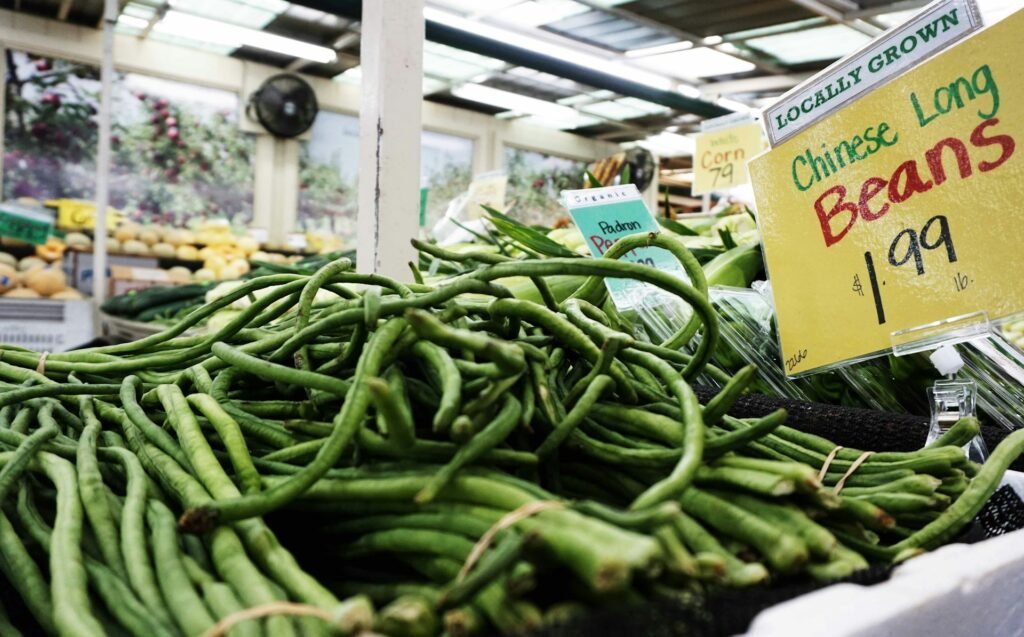
- Check the Label: Even in summer, supermarkets may stock imports. Look for the Red Tractor logo or “Grown in the UK” labels.
- Visit Farmers’ Markets: This is the surest way to get beans picked that very morning. You can find local markets through resources provided by the RHS.
- Buy in Bulk: During August, prices hit their lowest. Buy in bulk and freeze them for the winter months.
For the Home Grower
Growing green beans is incredibly rewarding and relatively easy in the UK climate.
- Sowing: You can sow seeds outdoors from late May to July. Successional sowing (sowing a new batch every 2–3 weeks) ensures a continuous harvest through to October.
- Support: Climbing French beans and Runner beans need tall supports, such as bamboo canes or a trellis. Dwarf varieties can grow in pots or window boxes.
- Watering: Beans are thirsty plants. Regular watering, especially when the flowers appear, is crucial for pod formation.
- Harvesting: Pick regularly. The more you pick, the more the plant will produce. If you leave pods to mature fully, the plant thinks its job is done and stops producing new flowers.
For more advice on sustainable gardening and wildlife-friendly practices, consult The Wildlife Trusts.
Creative Serving Ideas
- Lemon and Garlic: Sauté blanched beans in a little butter with garlic and lemon zest.
- Almondine: A classic French preparation involving toasted almonds.
- Summer Salads: Mix cold, blanched beans with cherry tomatoes, feta cheese, and a vinaigrette.
- Pickling: If you have a glut, pickling beans with dill and vinegar creates a delicious snack.
Ensuring you eat a variety of vegetables is key to the “5 A Day” recommendation. See what counts towards this target at the NHS Live Well website.
The Bottom Line
The green bean season UK is a highlight of the British culinary calendar, running primarily from mid-July through September.
Prioritising locally grown beans over imports offers superior flavour, higher nutrient retention, and supports a more sustainable food system. Whether you choose the robust Runner bean or the delicate French bean, these legumes are an affordable source of fibre, Vitamin C, and Vitamin K.
By following simple storage and cooking management techniques—such as blanching and avoiding over-boiling—you can maximise both the health benefits and the enjoyment of this versatile vegetable.
Next time you are in the produce aisle during summer, check the origin label. If it says UK, you are in for a treat.