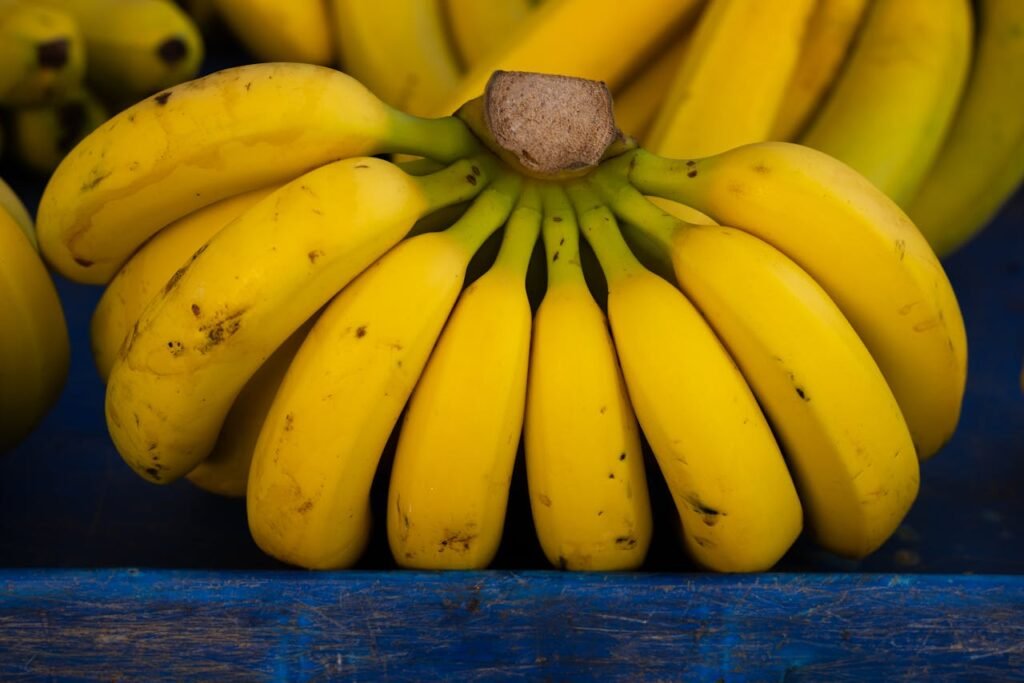
It is a scenario we all know too well. You purchase a vibrant, yellow bunch of bananas with the best intentions of healthy snacking throughout the week. Yet, within a mere 48 hours, they have transformed into spotted, brown, mushy fruit that looks unappealing.
Food waste is a significant issue in the UK, and bananas are frequently one of the most wasted items in our fruit bowls. Understanding how to store them correctly not only saves you money but also ensures you reap the full nutritional benefits of bananas. Rich in potassium, vitamin B6, and fibre, they are a staple for a balanced diet.
Fortunately, keeping bananas fresh does not require expensive equipment or complex techniques. By understanding the science behind their ripening process, you can significantly extend their shelf life.
This article explains the most effective methods to store bananas, the science behind why they ripen so quickly, and how to manage them at every stage of ripeness.
Overview
Bananas are climacteric fruits, meaning they continue to ripen after being harvested. This process is driven by the emission of a natural gas called ethylene. While this mechanism allows us to buy green bananas and let them yellow at home, it can also lead to premature spoiling if not managed correctly.
The key to longevity lies in controlling the temperature and the concentration of ethylene gas around the fruit. Whether you prefer them slightly green or perfectly yellow with sugar spots, the storage method you choose should align with your consumption habits.
By tweaking simple environmental factors—such as airflow, temperature, and separation from other fruits—you can keep your bananas fresh for up to a week longer than usual. This aligns with national efforts towards reducing food waste in our kitchens.
The Ripening Process: Why It Happens
To effectively store bananas, it is helpful to understand the biological ‘symptoms’ of ripening. The primary culprit is ethylene gas. Bananas release this gas naturally from their stems. As the gas spreads, it triggers the breakdown of cell walls and the conversion of starches into sugars.
The Role of Ethylene
When bananas are bunched together, the concentration of ethylene is higher, accelerating the ripening process for the whole group. This is why a single brown banana can seemingly ‘infect’ the rest of the bunch overnight.
Furthermore, placing bananas near other ethylene-producing fruits—such as apples, avocados, or tomatoes—can speed up this process even further. Identifying these ’causes’ of rapid spoiling is the first step toward better storage management.
Diagnosis and Treatment: Best Storage Methods
Once you have identified that your bananas are ripening too fast, the ‘treatment’ involves altering their storage conditions. Below are the most effective, evidence-based strategies for keeping your fruit at optimal freshness.
1. Store at Room Temperature (Initially)
For unripe (green) or just-ripe (yellow) bananas, the countertop is usually the best place. However, you must avoid direct sunlight and heat sources, such as radiators or ovens. Heat accelerates respiration rates in fruit, leading to faster decay.
Keep them in a cool, dark corner of the kitchen. Ensure they are removed from plastic produce bags, which can trap moisture and cause mould to grow.
2. The Plastic Wrap Trick
One of the most effective hacks involves the stems. Since the crown (where the bananas join) is the point where the majority of ethylene gas is released, blocking this exit can slow down ripening.
How to do it:
- Separate the bananas from the bunch.
- Wrap the stem of each individual banana tightly in cling film or plastic wrap.
- This prevents the ethylene from escaping and circulating around the fruit.
Scientific observation suggests this method can extend freshness by 2–3 days. It is a simple intervention that yields significant results.
3. Hang Them Up
Using a banana hanger or hook allows air to circulate freely around the entire fruit. This prevents ‘resting bruises’—the dark, mushy spots that form where the banana rests against a hard surface.
Airflow disperses ethylene gas away from the fruit rather than letting it pool around the bowl. This method mimics how bananas hang on the tree and is excellent for maintaining an even texture.
4. Refrigeration: The ‘Stasis’ Method
There is a common myth that you should never put bananas in the fridge. This is only partially true. You should not refrigerate green bananas, as the cold stops the ripening process permanently, meaning they will never develop their sweet flavour.
However, once bananas reach your desired level of yellowness, placing them in the fridge is highly effective. The cool temperature slows the production of ethylene significantly.
Note on appearance:
The peel will turn dark brown or black within a day or two due to the cold damaging the skin’s cell walls. However, the fruit inside will remain firm, white, and fresh for several more days. Do not judge the fruit by its skin in this context.
5. Freezing for Long-Term Storage
If you cannot eat them in time, freezing is the ultimate preservation method. Frozen bananas are perfect for smoothies or baking.
Crucial Step:
You must peel the bananas before freezing. Freezing an unpeeled banana makes the skin impossible to remove later without thawing the whole fruit into a mush.
- Slice them: Cut into coins and freeze on a tray before transferring to a bag.
- Whole: Place peeled whole bananas in an airtight container.
This is a fantastic way to ensure you always have ingredients ready to contribute to your 5 A Day intake without pressure.
6. Managing Sliced Bananas
If you have sliced a banana for cereal or porridge and only used half, the exposed flesh will oxidise and turn brown quickly. To prevent this, alter the pH level.
- Citrus Bath: Toss the slices in lemon, lime, or orange juice. The acid neutralises the oxidation enzyme.
- Airtight Seal: Wrap the cut end tightly or store slices in an airtight container to limit oxygen exposure.
Quick Reference Data
The following table summarises the effectiveness of different storage locations based on the state of the banana.
| Storage Location | Banana Condition | Estimated Shelf Life | Best Use Case |
|---|---|---|---|
| Countertop (Bunched) | Green / Yellow | 3–5 Days | Snacking |
| Countertop (Separated) | Green / Yellow | 5–7 Days | Snacking |
| Fridge | Yellow (Ripe) | 5–9 Days | Snacking / Smoothies |
| Freezer | Ripe / Overripe | 3–6 Months | Smoothies / Baking |
| Dark Cupboard | Green | 4–6 Days | Slow Ripening |
Tips for Management: Using Overripe Bananas
Sometimes, despite our best efforts, bananas go too far. When they turn mostly brown or black, they are not necessarily ‘off’. In fact, this is when they contain the highest sugar content and antioxidants.
Rather than discarding them, view them as a specific ingredient category. Overripe bananas are easier to digest and provide a quick energy boost. They are perfect for creative banana recipes like banana bread, pancakes, or vegan muffins.
If you are monitoring your sugar intake or managing blood sugar levels, be aware that very ripe bananas have a higher glycaemic index compared to green ones. In this case, eating them when they are just yellow with a tinge of green is preferable.
Frequently Asked Questions
Can you eat bananas with brown spots?
Yes, absolutely. Brown spots (sugar spots) indicate that the starches have fully converted into sugars. These bananas are sweeter and softer. Unless there is visible mould, a fermented smell, or leaking liquid, they are perfectly safe to eat.
Does separating bananas really help?
Yes. Separating bananas from the bunch reduces the concentration of ethylene gas affecting each individual fruit. While it may take up more space, it effectively slows down the ripening chain reaction.
Should I wash bananas before storing?
Washing bananas can introduce moisture, which encourages fungal growth and decay. It is best to keep them dry and only wash them immediately before peeling if you wish to remove surface residues, though the peel usually protects the fruit sufficiently.
Why do organic bananas seem to ripen faster?
Organic produce is not treated with synthetic preservatives or waxes that might artificially extend shelf life. Therefore, they may be more sensitive to ethylene. Following the storage tips above is even more critical for organic varieties to support heart health and general nutrition without waste.
Is it safe to store bananas next to apples?
Generally, no. Apples are high ethylene producers. Storing them in the same fruit bowl will cause your bananas to ripen much faster. For optimal longevity, give bananas their own dedicated space or check guidelines on organising your fridge and kitchen counters to separate climacteric fruits.
How do I know if a banana has gone bad?
While brown skin is fine, a banana is bad if the fruit inside is black, slimy, or smells akin to alcohol or fermentation. Understanding understanding use-by dates and sensory cues is vital for food safety.
The Bottom Line
Storing bananas correctly is a simple yet effective way to reduce waste, save money, and ensure you are eating fruit at its peak nutritional value.
By keeping them cool, separating the bunch, wrapping the stems, or utilising the fridge once they are ripe, you can enjoy this versatile fruit for days longer than usual. Remember that even brown bananas have a valuable place in the kitchen for baking.
Adopting these small habits contributes to a more sustainable kitchen and helps you maintain a healthy diet rich in essential nutrients. Whether you prefer them firm and green or sweet and spotted, a little strategy goes a long way.
For more information on the botanical classification of fruits, you can explore resources like berry classification to understand why bananas behave the way they do.