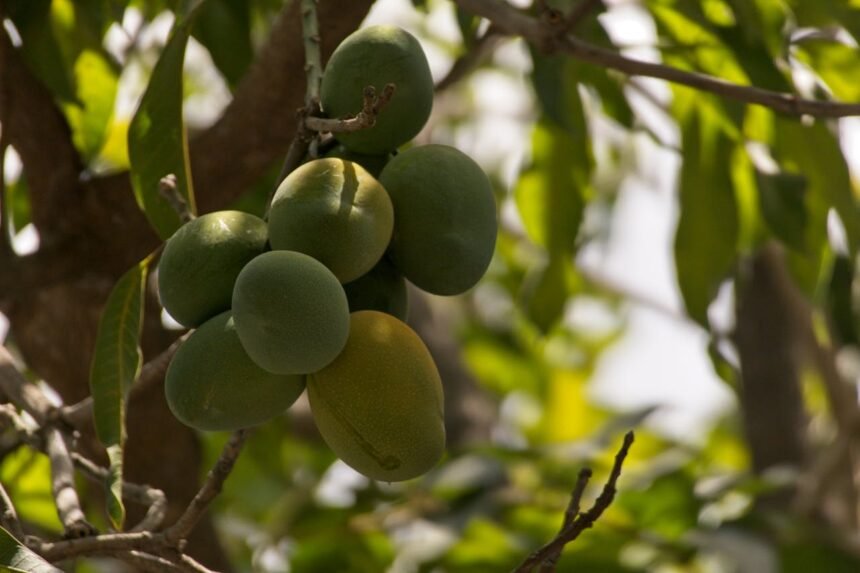
Mangoes are often hailed as the “king of fruits” due to their vibrant colour, luscious texture, and intensely sweet flavour. For many, they are the quintessential taste of summer.
However, if you are living with diabetes, navigating the fruit aisle can often feel like a minefield. The primary concern usually revolves around sugar content and how it might impact blood glucose levels. It is a common misconception that people with diabetes must strictly avoid all sweet fruits.
While mangoes are indeed naturally sweet, they also possess a robust nutritional profile loaded with essential vitamins, minerals, and fibre. The key to including them in your diet lies in understanding portion control and how different foods interact within your body.
Managing diabetes is not about deprivation; it is about making informed choices. With the right strategies, you can likely include this tropical delight in your meal plan without causing dangerous spikes in your blood sugar.
This article explores the nutritional impact of mango on blood glucose, safe serving sizes, and evidence-based tips for consuming it safely.
Nutritional Profile of Mango
To understand whether mango is safe for your condition, we must first analyse what is inside it. Mangoes are nutrient-dense, meaning they provide a significant amount of vitamins and minerals relative to their calorie count.
According to nutritional data, a 165-gram serving (approximately one cup of sliced mango) contains:
- Calories: 99
- Protein: 1.4 grams
- Fat: 0.6 grams
- Carbohydrates: 24.7 grams
- Sugars: 22.5 grams
- Fibre: 2.6 grams
- Vitamin C: 67% of the Daily Value (DV)
- Copper: 20% of the DV
- Folate: 18% of the DV
- Vitamin A: 10% of the DV
The most critical number here for someone managing diabetes is the carbohydrate content. Since carbohydrates turn into sugar during digestion, they have the most direct impact on your blood glucose levels.
However, the fibre content in mango plays a protective role. Fibre is not digested by the body, so it does not raise blood sugar. Furthermore, it slows down the absorption of sugar into the bloodstream, which helps prevent sharp spikes. This is a crucial distinction between eating whole fruit and drinking fruit juice, which typically lacks fibre.
For a deeper dive into the specific nutrients found in this fruit, you can read more at Healthline.
Glycaemic Index and Glycaemic Load
When evaluating food for diabetes management, two tools are commonly used: the Glycaemic Index (GI) and the Glycaemic Load (GL).
The Glycaemic Index measures how quickly a food raises blood sugar levels compared to pure glucose. The scale runs from 0 to 100:
- Low GI: 55 or less
- Medium GI: 56 to 69
- High GI: 70 and above
Mango typically has a GI score of roughly 51 to 56, placing it in the low-to-medium category. This suggests that, biologically, mango should raise blood sugar levels more slowly than high-GI foods like watermelon or white bread.
However, GI does not tell the whole story because it doesn’t account for portion size. This is where Glycaemic Load (GL) comes in. GL accounts for how many carbohydrates are in a typical serving. The GL of a small portion of mango is considered low.
Understanding these metrics helps you realise that while mango contains sugar, its impact is moderated by its physical structure and fibre. For more on how GI affects diabetes management, the NHS provides comprehensive guidance on diet and blood sugar control.
Tips for Eating Mango with Diabetes
If you want to enjoy mango without compromising your health, you do not need to rely on guesswork. By employing specific dietary strategies, you can mitigate the blood sugar response.
Here are the most effective, science-backed ways to include mango in your diet.
1. Prioritise Portion Control
The difference between a healthy snack and a blood sugar spike is often just the quantity consumed. Because mango is dense in carbohydrates, portion control is paramount.
A safe starting point is typically half a cup (approx 80-100 grams) of sliced mango. This portion provides roughly 12-15 grams of carbohydrates, which fits well within most diabetic snack allowances.
Avoiding “portion distortion” is essential. Using a kitchen scale or measuring cups can help you visualise what a safe amount looks like. Following guidelines from the British Dietetic Association can help you standardise your fruit intake to avoid accidental overconsumption.
2. The Power of Pairing
One of the most effective strategies for managing blood sugar is food pairing. Eating carbohydrates on their own causes a faster rise in blood glucose. However, pairing them with a source of protein or healthy fat can significantly blunt this response.
When you eat mango, try combining it with:
- Greek Yoghurt: The protein helps slow digestion.
- Nuts or Seeds: Walnuts, almonds, or chia seeds add fibre and healthy fats.
- Boiled Eggs: A savoury protein side to balance the sweet fruit.
This method works because fat and protein take longer to digest, effectively “braking” the speed at which sugar enters your system. You can find more about the importance of balanced eating in the Eatwell Guide on GOV.UK.
3. Avoid Dried Mango and Juice
Not all mango products are created equal. You should be extremely cautious with dried mango and mango juice.
Dried fruit has had nearly all its water removed, which concentrates the sugars. A small handful of dried mango contains significantly more carbohydrates than the same volume of fresh fruit. It is also very easy to overeat dried fruit because it does not provide the same feeling of fullness (satiety).
Similarly, mango juice removes the beneficial fibre entirely. Without fibre to slow it down, the fruit sugar hits your bloodstream rapidly, causing a spike. As noted by Diabetes UK, opting for whole fruit is always preferable to fruit juices.
4. Timing Matters
The time of day you consume fruit can also influence how your body handles it. Many dietitians recommend avoiding high-carb fruits late at night when your body’s insulin sensitivity may be lower.
Ideally, consume mango earlier in the day or immediately following a workout when your muscles are more receptive to glucose uptake. Monitoring your levels with a glucometer after eating mango is the best way to learn your personal tolerance.
Comparison: Mango vs. Other Fruits
To help you visualise where mango sits in the hierarchy of fruits, the table below compares the carbohydrate and sugar content of mango against other common choices. Note how the fibre content in mango compares favourably to others.
| Fruit (100g serving) | Total Carbs (g) | Sugars (g) | Fibre (g) | Glycaemic Index (Approx) |
|---|---|---|---|---|
| Mango (Raw) | 15.0 | 13.7 | 1.6 | 51 (Low) |
| Apple (with skin) | 13.8 | 10.4 | 2.4 | 36 (Low) |
| Banana (Ripe) | 22.8 | 12.2 | 2.6 | 51 (Low) |
| Watermelon | 7.6 | 6.2 | 0.4 | 72 (High) |
| Dried Mango | 76.0 | 66.0 | 2.5 | 60+ (Medium) |
Data reflects approximate averages. Individual varieties may vary.
As shown, while mango has slightly more sugar than an apple, it is comparable to a banana and significantly safer regarding blood sugar spikes than dried varieties. For more detailed food composition data, refer to Medical News Today.
Potential Health Benefits
Beyond the sugar conversation, mangoes offer specific compounds that may actually support health in people with diabetes.
Mangoes are rich in polyphenols, particularly a compound called mangiferin. Scientific research suggests that mangiferin may possess anti-inflammatory and antiviral properties. Some studies indicate it could help improve insulin sensitivity, though more human trials are needed.
Additionally, the high Vitamin C content supports immune health, which is vital for people with diabetes who may be more prone to infections and slower wound healing. Vitamin A plays a critical role in eye health, helping to protect against conditions like diabetic retinopathy.
Research found in PubMed highlights the antioxidant capacity of tropical fruits, reinforcing that whole foods offer benefits that supplements cannot replicate. Furthermore, the fibre contributes to heart health by helping to manage cholesterol levels, a common comorbidity with diabetes, as explained by Heart UK.
Frequently Asked Questions
Can I eat mango every day if I have diabetes?
While it is possible, variety is key to a healthy diet. Eating mango daily is safe if you stick to small portions (one serving) and account for the carbohydrates in your daily meal plan. However, rotating fruits ensures you get a broader range of nutrients.
Is green (unripe) mango better than ripe mango?
Generally, yes. Unripe green mangoes typically have a lower sugar content and higher starch content compared to fully ripe, soft mangoes. The starch in unripe mango acts more like a complex carbohydrate, leading to a slower release of glucose.
Does blending mango destroy the fibre?
Blending breaks down the fibrous structure, which can lead to faster digestion and quicker sugar absorption compared to chewing whole fruit. While better than juicing (which removes fibre entirely), eating the fruit whole is the superior option for blood sugar control. For more on sugar in fruit preparations, see BBC Good Food.
What if my blood sugar spikes after eating it?
If you notice a spike, reduce the portion size next time or ensure you are pairing it with more protein and fat. Everyone’s insulin response is unique. If spikes persist, consult your GP or dietitian.
The Bottom Line
Mango is a delicious, nutrient-dense fruit that can absolutely be part of a healthy diabetes diet when consumed mindfully.
It is packed with vitamins A and C, fibre, and antioxidants that support overall health. While it does contain natural sugars, its moderate Glycaemic Index means it is unlikely to cause severe spikes if portion sizes are controlled.
To enjoy mango safely:
- Stick to a portion of half a cup or less.
- Pair it with protein sources like nuts or yoghurt.
- Avoid dried mango and juices.
- Monitor your blood glucose to see how your body responds.
Excluding fruit entirely is rarely necessary. By making smart adjustments, you can enjoy the sweet taste of summer while keeping your blood sugar management on track. For further reading on starchy foods and sugar, visit the British Nutrition Foundation.