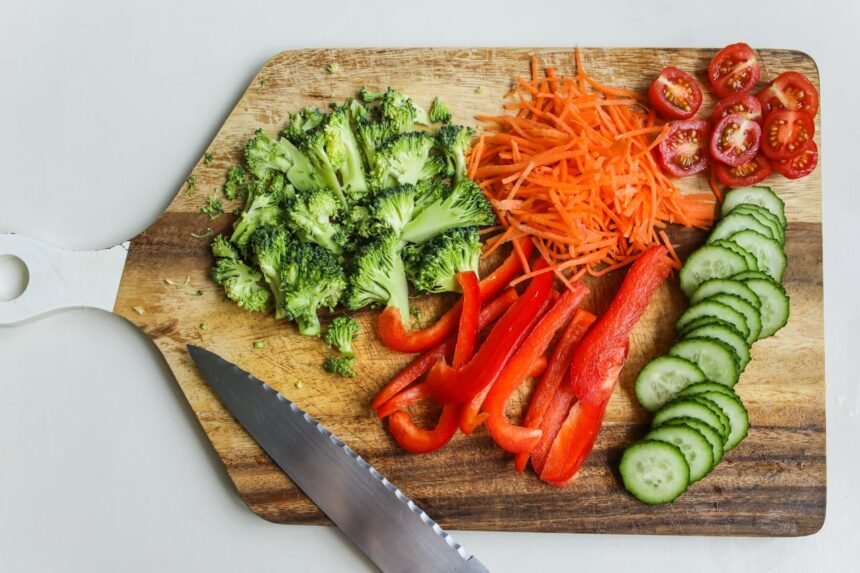
You probably heard it countless times as a child: “Eat your carrots; they help you see in the dark.” While parents often use this adage to encourage vegetable consumption, there is actually significant scientific truth behind it. The vibrant orange hue found in many vegetables is not just for show—it is a clear indicator of powerful antioxidants that are essential for maintaining optimal vision.
However, as we age, concerns about eye health often become more pressing. Conditions such as Age-related Macular Degeneration (AMD) and cataracts are increasingly common in the UK. Fortunately, dietary choices can play a pivotal role in protecting your sight. Incorporating specific plant-based foods into your daily routine is one of the most effective, natural ways to support your eyes.
This article explores the deep connection between orange vegetables and eye health, breaking down the science of carotenoids and offering practical tips to boost your intake. Here is everything you need to know about colouring your diet for better vision.
The Science: Why Orange Matters
To understand why orange vegetables are beneficial, we must look at their chemical composition. The pigment responsible for their bright colour is a type of carotenoid called beta-carotene. When you consume beta-carotene, your body converts it into Vitamin A (retinol).
Vitamin A is critical for vision for two main reasons. Firstly, it helps the retina absorb light. Secondly, it protects the cornea, which is the surface of the eye. According to the NHS, a deficiency in Vitamin A can lead to night blindness and, in severe cases, permanent sight loss.
Carotenoids and the Macula
Beyond simple Vitamin A conversion, orange vegetables often contain other potent antioxidants like lutein and zeaxanthin. While these are typically associated with leafy greens, they are present in various orange squashes and peppers as well.
These compounds accumulate in the macula, the part of the retina responsible for central vision. They act as a natural sunblock, absorbing excess blue light and neutralising harmful free radicals. This process is vital for delaying the onset of degenerative eye diseases.
Top Orange Vegetables for Your Eyes
Not all orange vegetables are created equal. Some pack a much denser nutritional punch than others. Here is a breakdown of the best options to add to your shopping trolley.
1. Carrots
The quintessential eye-health vegetable. Carrots are rich in beta-carotene and are incredibly versatile. A single medium carrot can provide more than your daily requirement of Vitamin A. They are also a good source of fibre and vitamin K1.
For those looking to maximise benefits, research highlighted by Healthline suggests that cooking carrots can actually make the beta-carotene more bioavailable than eating them raw.
2. Sweet Potatoes
Sweet potatoes are a nutritional powerhouse. They often contain even more beta-carotene than carrots. Just one sweet potato (baked in its skin) contains over 400% of the Reference Nutrient Intake (RNI) for Vitamin A.
They also have a lower glycaemic index than white potatoes, releasing energy more slowly. For tasty recipe ideas, BBC Good Food offers excellent ways to prepare them without losing nutrients.
3. Pumpkins and Squashes
Winter squashes, such as butternut squash and pumpkin, are fantastic sources of Vitamin A and C. Vitamin C is another antioxidant that may help lower the risk of developing cataracts.
The Macular Society notes that a diet rich in these antioxidants is crucial for slowing the progression of AMD, which affects the central part of your vision.
4. Orange Peppers
While red and green peppers are popular, orange bell peppers specifically contain high levels of zeaxanthin. This specific carotenoid is harder to find in the diet than beta-carotene but is equally important for retinal health.
5. Butternut Squash
This winter vegetable is dense with Vitamin A and C. It also provides a good amount of Vitamin E, which protects eye cells from unstable molecules called free radicals.

Nutrient Comparison: Orange vs. Non-Orange
To visualise the difference, the table below compares the Vitamin A activity (measured in RAE – Retinol Activity Equivalents) of common orange vegetables against non-orange staples. This highlights why colour is such a strong indicator of specific nutrient density.
| Vegetable (100g, cooked) | Beta-Carotene Content | Vitamin A (% Daily Value) | Primary Benefit |
|---|---|---|---|
| Sweet Potato | Very High | >400% | Exceptional source of provitamin A. |
| Carrots | High | >300% | Classic source of retinol conversion. |
| Butternut Squash | High | >200% | High in Vitamin C and E. |
| Parsnips (White) | Low | <1% | Good for fibre, poor for eyes. |
| Cauliflower (White) | Negligible | 0% | High in Vitamin C, but no Vitamin A. |
| Potatoes (White) | Negligible | 0% | Energy source, lacks eye nutrients. |
How to Maximise Absorption
Simply eating these vegetables is not always enough; how you eat them matters. Vitamin A is a fat-soluble vitamin. This means your body requires dietary fat to absorb it effectively.
If you eat a plain carrot stick on an empty stomach, you may absorb very little of the beta-carotene. However, if you pair it with a healthy fat, absorption rates skyrocket.
Actionable tips for better absorption:
- Add Oil: Drizzle olive oil or rapeseed oil over roasted sweet potatoes. The British Dietetic Association recommends varied preparation methods to ensure you get a mix of nutrients.
- Pair with Nuts: Snack on raw carrots alongside a handful of walnuts or almonds.
- Use Full-Fat Dressing: When having a salad with grated carrots or peppers, use a dressing containing oil or yoghurt rather than a fat-free version.
- Don’t Overcook: While cooking helps release beta-carotene from plant cell walls, boiling vegetables for too long can destroy water-soluble vitamins like Vitamin C. Steaming or roasting is often better.
For more on balanced eating, the GOV.UK Eatwell Guide provides comprehensive advice on portion sizes and food groups.
Common Eye Conditions and Diet
While orange vegetables are not a cure-all, they are a preventative measure against specific pathologies.
Age-Related Macular Degeneration (AMD)
AMD is the leading cause of sight loss in the UK. It affects the middle part of your vision. The RNIB (Royal National Institute of Blind People) emphasises that while age and genetics are major factors, lifestyle choices like diet and smoking cessation are modifiable risk factors.
Cataracts
Cataracts cause the lens of the eye to become cloudy. Oxidative stress is a key contributor to this clouding. The antioxidants found in orange vegetables help neutralise the oxidative stress. Moorfields Eye Hospital lists poor nutrition as a potential risk factor, suggesting that a diet high in antioxidants can be protective.
Night Blindness
This is the most direct consequence of Vitamin A deficiency. Without enough retinal (the active form of Vitamin A), the eye cannot effectively transform light into nerve signals in low-light conditions.
Frequently Asked Questions
Can eating too many carrots turn my skin orange?
Yes, this condition is called carotenemia. It happens when high levels of beta-carotene accumulate in the blood. It is generally harmless and reversible. Once you reduce your intake of orange vegetables, your skin colour will return to normal.
Should I take Vitamin A supplements instead?
Generally, it is better to get nutrients from food. High doses of preformed Vitamin A (retinol) in supplements can be toxic and may weaken bones. Beta-carotene from vegetables is regulated by the body; it only converts what it needs. The Association of Optometrists advises that a varied diet is usually superior to supplementation unless prescribed by a doctor.
Are raw or cooked carrots better for eyes?
Cooked carrots are actually better for Vitamin A intake. Cooking breaks down the tough cellular walls of the vegetable, making the beta-carotene easier for your body to absorb. However, raw carrots are still a healthy, low-calorie snack.
Do orange fruits count?
Absolutely. Cantaloupe melons, mangoes, and apricots are also high in beta-carotene. Fight for Sight recommends a “rainbow” diet, which includes these fruits alongside vegetables.
Is it too late to start eating for eye health?
It is never too late. While you cannot reverse advanced damage, improving your diet can slow the progression of existing conditions and protect the vision you have remaining.
The Bottom Line
Your vision is one of your most precious senses, and protecting it starts on your plate. While the old adage about carrots helping you see in the dark is slightly exaggerated, the science confirms that orange vegetables are vital for maintaining healthy eyes.
By incorporating nutrient-dense foods like sweet potatoes, pumpkins, and carrots into your weekly meal plan, you provide your body with the beta-carotene it needs to fend off degeneration and maintain clarity.
Remember to pair these vegetables with a source of healthy fat to ensure maximum absorption. A proactive approach to diet today can help preserve your sight for the years to come.