If you have ever felt a lingering sense of fatigue, persistent joint stiffness, or inexplicable aches, you might be experiencing the subtle warning signs of chronic inflammation. While acute inflammation is a necessary immune response to heal cuts or infections, chronic inflammation acts differently. It simmers quietly in the background, often fuelled by stress, environmental factors, and diet, potentially leading to long-term health complications.
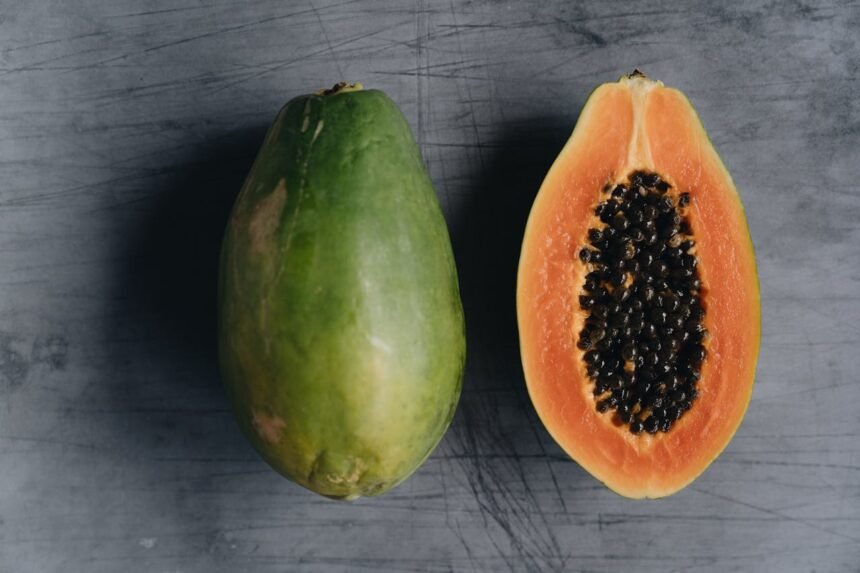
Fortunately, nature provides us with powerful tools to combat this internal fire. Among the most potent of these is the humble papaya. Often celebrated for its sweet, tropical flavour, this vibrant fruit offers far more than just a refreshing taste. It is packed with unique enzymes and antioxidants that may actively support your body’s natural defence systems.
Incorporating papaya for inflammation into your weekly routine could be the simple dietary shift your body has been craving. This article explores the science behind papaya, how it interacts with inflammatory pathways, and practical ways to enjoy it.
Understanding Chronic Inflammation
Before diving into the specific benefits of papaya, it is crucial to understand what we are fighting. Inflammation is your immune system’s way of protecting you from harm. When you sustain an injury, your body sends white blood cells to the affected area, causing redness and swelling. This is healthy, acute inflammation.
However, when your immune system gets confused or over-stressed, it can continue sending inflammatory cells even when there is no outside danger. This is known as chronic inflammation. Over time, this state can damage healthy tissues, organs, and DNA. According to the British Heart Foundation, chronic inflammation plays a significant role in the development of heart and circulatory diseases.
Several factors contribute to this condition:
- Diet: High consumption of processed foods and sugar.
- Lifestyle: Lack of exercise and high stress levels.
- Environment: Exposure to pollutants and toxins.
Addressing these factors is essential, and nutrition is often the most accessible place to start. A diet rich in anti-inflammatory foods can help dampen this immune response. This is where papaya shines as a nutritional powerhouse.
The Nutritional Profile of Papaya
Papaya is not just a source of sugar and water; it is a complex matrix of vitamins, minerals, and bioactive compounds. One medium-sized papaya provides more than 200% of your daily requirement of Vitamin C, a crucial antioxidant.
Antioxidants are vital because they neutralise free radicals—unstable molecules that can cause oxidative stress and trigger inflammation. By reducing oxidative stress, you effectively lower the inflammation burden on your body.
Key nutrients in papaya include:
- Vitamin C: Supports immune function and skin health.
- Vitamin A: Essential for vision and immune health, found in the form of beta-carotene.
- Folate (Vitamin B9): Important for cell function and tissue growth.
- Potassium: Helps regulate fluid balance and muscle contractions.
Research highlighted by Healthline suggests that the combination of these nutrients makes papaya particularly effective at warding off various diseases associated with inflammation.
The Power of Papain and Chymopapain
What truly sets papaya apart from other fruits are two specific proteolytic enzymes: papain and chymopapain. Proteolytic enzymes help break down proteins into smaller protein fragments called peptides and amino acids.
However, their role extends beyond digestion. These enzymes have been shown to reduce inflammation and pain. In traditional medicine, papaya paste was often applied to skin wounds or insect bites to reduce swelling. Modern science supports this, indicating that papain can help reduce inflammation in conditions like sore throats and athletic injuries.
A study published in the National Library of Medicine indicates that proteolytic enzymes can modulate the inflammatory process, potentially offering relief for those suffering from conditions like osteoarthritis. By breaking down immune complexes that can accumulate in joints, these enzymes may help alleviate stiffness and pain.
How Papaya Combats Inflammation
When you consume papaya regularly, you are providing your body with a multi-pronged defence strategy against inflammation. The synergy between the vitamins, antioxidants, and enzymes creates a robust anti-inflammatory effect.
1. Reducing Oxidative Stress
Oxidative stress occurs when there is an imbalance between free radicals and antioxidants in your body. This imbalance is a primary driver of chronic inflammation. Papayas are rich in carotenoids, specifically lycopene, which helps mop up these free radicals.
Unlike many other fruits, the lycopene in papaya is highly bioavailable, meaning your body absorbs it easily. Research from Harvard Health often cites lycopene-rich foods as key components of an anti-inflammatory diet, linking them to a reduced risk of heart disease and certain cancers.
2. Supporting Joint Health
For those suffering from arthritis, papaya can be particularly beneficial. The Arthritis Foundation lists fruits high in Vitamin C and antioxidants as helpful for managing joint symptoms. The enzymes in papaya may further assist by reducing the swelling around joints, offering a natural complement to medical treatments.
3. Improving Gut Health
A significant portion of your immune system resides in your gut. If your digestive health is compromised, it can lead to systemic inflammation. The fibre and water content in papaya aid digestion, while papain helps break down tough protein fibres that might otherwise cause bloating or digestive distress. Maintaining a healthy gut barrier is essential for preventing inflammatory compounds from entering the bloodstream.
Actionable Steps: Adding Papaya to Your Diet
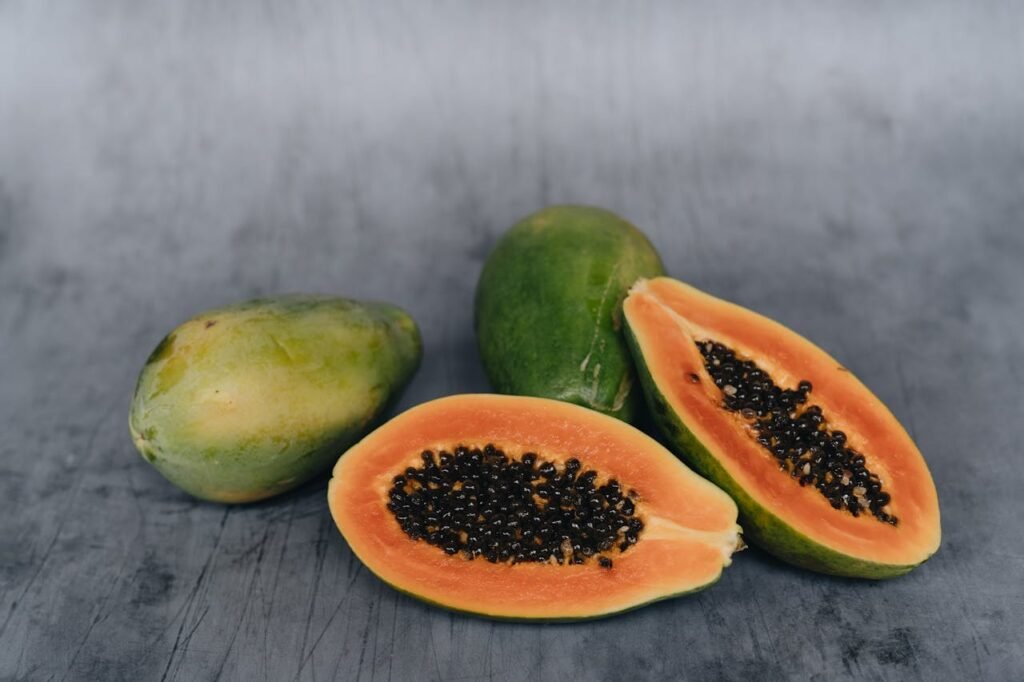
Incorporating papaya into your daily routine is simple. It is a versatile fruit that works well in both sweet and savoury dishes. When selecting a papaya, look for skin that is turning from green to yellow. It should yield slightly to pressure, similar to a ripe avocado.
Here are some effective ways to add it to your diet:
- The Breakfast Bowl: Cut a ripe papaya in half, scoop out the seeds, and fill the centre with Greek yoghurt. Top with berries and a sprinkle of nuts for a protein-rich start to the day.
- Tropical Salad: Combine cubed papaya with avocado, cucumber, and cooked prawns. Dress with lime juice and coriander for a refreshing lunch.
- Green Papaya Salad: Use unripe green papaya for a crunchy, savoury salad. Shred the flesh and toss with chillies, lime, and peanuts.
- Smoothie Booster: Blend fresh or frozen papaya chunks with pineapple, banana, and coconut water. This is excellent for post-workout recovery due to the electrolyte content.
- Don’t Toss the Seeds: Surprisingly, papaya seeds are edible. They have a peppery, mustard-like flavour. You can dry them and grind them into a powder to use as a seasoning, which adds an extra kick of antioxidants.
For general healthy eating guidelines, the NHS recommends eating a wide variety of fruit and vegetables, and papaya counts as one of your 5-a-day portions.
Comparison: Papaya vs. Other Anti-Inflammatory Fruits
To understand where papaya sits in the hierarchy of healthy fruits, it is helpful to compare its key anti-inflammatory markers with others. The table below highlights the unique benefits of papaya compared to common alternatives.
| Feature | Papaya | Pineapple | Orange | Berries (Mixed) |
|---|---|---|---|---|
| Key Enzyme | Papain & Chymopapain | Bromelain | None significant | None significant |
| Primary Antioxidant | Lycopene & Beta-carotene | Vitamin C | Vitamin C & Hesperidin | Anthocyanins |
| Vitamin C (per 100g) | ~60 mg (High) | ~47 mg (Moderate) | ~53 mg (High) | ~30-60 mg (Varies) |
| Digestive Aid | Excellent (Protein breakdown) | Excellent (Protein breakdown) | Good (Fibre) | Good (Fibre) |
| Sugar Content | Moderate | Moderate/High | Moderate | Low |
As shown, while berries and oranges are fantastic for Vitamin C, papaya (and pineapple) offers the unique benefit of proteolytic enzymes, giving it an edge in directly targeting inflammatory proteins.
Frequently Asked Questions
Can I eat papaya seeds?
Yes, papaya seeds are safe to eat in moderation. They contain high levels of polyphenols and flavonoids. However, they have a strong, spicy flavour. Start with a small amount to see how your digestive system tolerates them. Medical News Today notes their potential antibacterial properties, making them a useful addition to your diet.
Is it better to eat papaya on an empty stomach?
Eating papaya on an empty stomach, such as at breakfast, is often recommended by nutritionists. It allows the enzymes to work effectively in the digestive tract without competing with heavy fats or processed foods. This aligns with general advice from GOV.UK regarding prioritising fruit intake earlier in the day for energy.
Can papaya interfere with medications?
In some cases, the high Vitamin K content (though lower than leafy greens) might interact with blood thinners like warfarin. Additionally, consuming massive amounts of unripe papaya latex can trigger contractions, so pregnant women are often advised to stick to fully ripe papaya. Always consult your GP or a dietitian. Resources like Cancer Research UK provide excellent general advice on diet and interactions.
How much papaya should I eat per day?
One cup of cubed papaya (approx. 150g) is sufficient to get the full vitamin benefits without overloading on fructose. Consistency is key when using diet to manage inflammation.
Does cooking papaya destroy the enzymes?
Yes, heat can denature enzymes like papain. To maximise the anti-inflammatory enzymatic activity, it is best to eat the fruit raw. However, cooked green papaya still provides fibre and minerals. For recipe inspiration, you can check BBC Good Food for creative ways to use the raw fruit.
The Bottom Line
Chronic inflammation is a pervasive issue that underpins many modern health concerns, from arthritis to cardiovascular disease. While medical intervention is sometimes necessary, your daily diet serves as the foundation for long-term health. Papaya is more than just a sweet treat; it is a functional food loaded with Vitamin C, lycopene, and the unique enzymes papain and chymopapain.
By helping to neutralise free radicals and assisting in the breakdown of inflammatory proteins, papaya for inflammation is a strategy backed by both traditional use and modern science. Whether you blend it into a smoothie, eat it fresh with a squeeze of lime, or sprinkle the peppery seeds over a salad, you are making a proactive choice for your well-being.
Remember, no single food is a miracle cure. The best results come from a balanced, varied diet rich in plants, adequate hydration, and a healthy lifestyle. If you are struggling with persistent symptoms of inflammation, prioritise whole foods and consult with a healthcare professional to build a plan that works for you.