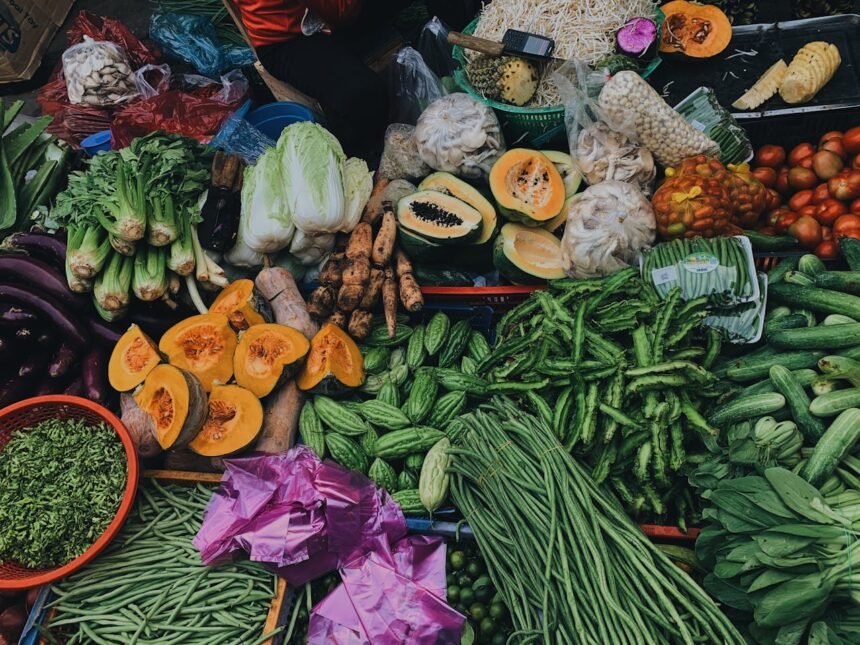
Green beans—often referred to as string beans, snap beans, or haricot verts—are a staple vegetable in kitchens across the globe. Whether they are featured in a classic casserole or simply steamed as a side dish, they are beloved for their crunch and versatility. However, beyond their culinary uses, these emerald-coloured pods are a nutritional powerhouse.
While most people associate them with fibre and basic vitamins, the specific profile of green bean antioxidants is surprisingly robust. Emerging research suggests that the phytonutrients found in green beans play a pivotal role in combating oxidative stress and managing chronic inflammation.
This article explores the science behind the antioxidants in green beans, how they function within the body, and practical ways to maximise their benefits in your diet.
Overview: The Hidden Power of Green Beans
It is easy to overlook the green bean. It is not as trendy as kale or as vibrant as beetroot. Yet, nutritional science reveals that green beans are dense with compounds that protect the body at a cellular level.
Green beans belong to the legume family, though they are harvested while the beans are still young and the pod is edible. This unique harvesting time means they offer a hybrid of nutritional benefits: the vitamins of a vegetable and the protein-building blocks of a legume.
The primary health benefits derived from green beans are linked to their ability to neutralise harmful free radicals. This process is essential for preventing cellular damage that can lead to chronic diseases, including heart disease and certain cancers. By understanding the interaction between green bean antioxidants and human physiology, we can better appreciate this humble vegetable.
Understanding Oxidative Stress and Inflammation
To understand why green beans are so beneficial, we must first understand the enemy: oxidative stress.
What is Oxidative Stress?
Oxidative stress is an imbalance between free radicals and antioxidants in your body. Free radicals are oxygen-containing molecules with an uneven number of electrons. The uneven number allows them to easily react with other molecules.
When free radicals interact with other molecules, they can cause large-chain chemical reactions in your body called oxidation. While oxidation is a normal and necessary process, excessive oxidative stress can lead to cell and tissue breakdown. This damage is linked to a vast array of degenerative diseases.
Learn more about the mechanics of oxidative stress here.
The Inflammation Connection
Oxidative stress can trigger inflammation, and conversely, chronic inflammation can induce oxidative stress, creating a vicious cycle.
Acute inflammation is your body’s natural response to injury or infection. However, when inflammation becomes chronic, it can silently damage healthy tissues, organs, and DNA. Diet plays a massive role in regulating this system. Diets high in processed foods and sugar tend to promote inflammation, while diets rich in plant-based antioxidants help to quell it.
For a deeper dive into the risks of chronic inflammation, consult this resource.
The Antioxidant Profile of Green Beans
Green bean antioxidants are diverse. They do not rely on a single compound but rather a symphony of vitamins, minerals, and flavonoids that work synergistically.
1. Vitamin C (Ascorbic Acid)
Green beans are an excellent source of Vitamin C. This water-soluble vitamin is perhaps the most well-known antioxidant. It donates electrons to unstable free radicals, effectively neutralising them.
Beyond direct antioxidant activity, Vitamin C is crucial for the synthesis of collagen, which maintains the integrity of blood vessels, skin, and bones. A single cup of raw green beans provides approximately 25% of the recommended daily intake (RDI).
Read more about the vital roles of Vitamin C here.
2. Beta-Carotene and Lutein
Green beans contain significant amounts of carotenoids, specifically beta-carotene and lutein.
- Beta-carotene is converted into Vitamin A (retinol) in the body, which is essential for immune function and vision.
- Lutein is known for preventing age-related macular degeneration and protecting the eyes from oxidative damage caused by blue light.
3. Flavonoids: Quercetin and Kaempferol
Perhaps the most potent green bean antioxidants are flavonoids. These are polyphenolic compounds found in plants. Green beans are particularly rich in:
- Quercetin: Known for its anti-inflammatory and antihistamine properties. It has been shown to relax blood vessels and improve arterial health.
- Kaempferol: Associated with a reduced risk of chronic diseases, including cancer. It helps modulate cellular signalling pathways to reduce inflammation.
Research indicates that the specific flavonoids found in green beans preserve their potency even after cooking, provided the cooking time is not excessive.
4. Manganese
While not an antioxidant itself, manganese is a cofactor for the enzyme superoxide dismutase (SOD), which is one of the most important antioxidant systems in the human body. Without sufficient manganese, your body cannot effectively disarm superoxide radicals.
Health Benefits Supported by Science
Incorporating green bean antioxidants into your diet can yield tangible health outcomes.
Heart Health and Cholesterol
The combination of fibre and antioxidants in green beans makes them a heart-healthy choice. Soluble fibre helps lower LDL (bad) cholesterol levels, while flavonoids protect the cholesterol from becoming oxidised. Oxidised cholesterol is far more likely to adhere to artery walls and cause blockages.
For further reading on diet and heart health, visit the British Heart Foundation.
Gut Health and Digestion
Green beans contain a type of carbohydrate known as FODMAPs. While some people with IBS may need to monitor their intake, for the general population, the fibre in green beans acts as a prebiotic. It feeds the beneficial bacteria in the gut. A healthy microbiome is essential for systemic immunity and lowering whole-body inflammation.
Healthline explores the importance of gut health in depth.
Regulation of Blood Sugar
Unlike many starchy vegetables, green beans have a low glycaemic index (GI). The fibre content slows the absorption of glucose into the bloodstream. Furthermore, antioxidants like quercetin interact with enzymes involved in glucose metabolism, potentially improving insulin sensitivity.
Managing blood sugar is critical for preventing type 2 diabetes.
Comparison: Green Beans vs. Other Greens
To understand the value of green beans, it helps to compare them to other common vegetables. While leafy greens often get the spotlight, green beans hold their own, particularly regarding durability and texture alongside nutrition.
| Nutrient (per 100g) | Green Beans (Boiled) | Spinach (Boiled) | Broccoli (Boiled) |
|---|---|---|---|
| Calories | 35 kcal | 23 kcal | 35 kcal |
| Fibre | 3.2 g | 2.4 g | 3.3 g |
| Vitamin C | 16.3 mg | 9.8 mg | 64.9 mg |
| Vitamin K | 43 mcg | 493 mcg | 141 mcg |
| Folate | 37 mcg | 146 mcg | 108 mcg |
Source: USDA FoodData Central
While broccoli is superior in Vitamin C, green beans offer a comparable amount of fibre and are often more palatable to children and fussy eaters, making them a practical vehicle for nutrients.
Potential Downsides: Antinutrients
It is important to address that green beans, like all legumes, contain compounds often labelled as “antinutrients,” specifically lectins and phytates.
- Lectins: Proteins that can bind to carbohydrates and potentially cause digestive distress if consumed in large raw quantities.
- Phytates: Can inhibit the absorption of minerals like iron and zinc.
However, these are rarely a concern in green beans because they are almost always eaten cooked. Cooking significantly reduces lectin levels and neutralises most potential issues. Unless you are consuming vast quantities of raw green beans, the benefits of green bean antioxidants far outweigh these risks.
Practical Tips: Maximising Nutrient Retention
How you prepare your green beans matters. The antioxidants—particularly Vitamin C and certain phytonutrients—can be sensitive to heat and water.
1. Steam, Don’t Boil
Boiling green beans causes water-soluble vitamins (like Vitamin C and B vitamins) to leach out into the water. If you discard the water, you discard the nutrients.
Recommendation: Steam your green beans for 5 minutes until they are vibrant green and tender-crisp. This method preserves the highest concentration of antioxidants.
Research on cooking methods confirms that steaming retains significantly more glucosinolates and polyphenols than boiling.
2. The “Shock” Method
If you are using green beans for salads, blanch them briefly in boiling water for 2-3 minutes, then immediately plunge them into an ice bath. This stops the cooking process instantly, locking in the colour and texture, and helps preserve the heat-sensitive vitamins.
3. Pair with Healthy Fats
Some antioxidants in green beans, specifically beta-carotene and Vitamin K, are fat-soluble. This means your body absorbs them much better when they are consumed with fat.
Tip: Toss your steamed green beans in a small amount of extra virgin olive oil or serve them with slivered almonds.
Learn more about the absorption of fat-soluble vitamins.
4. Selection and Storage
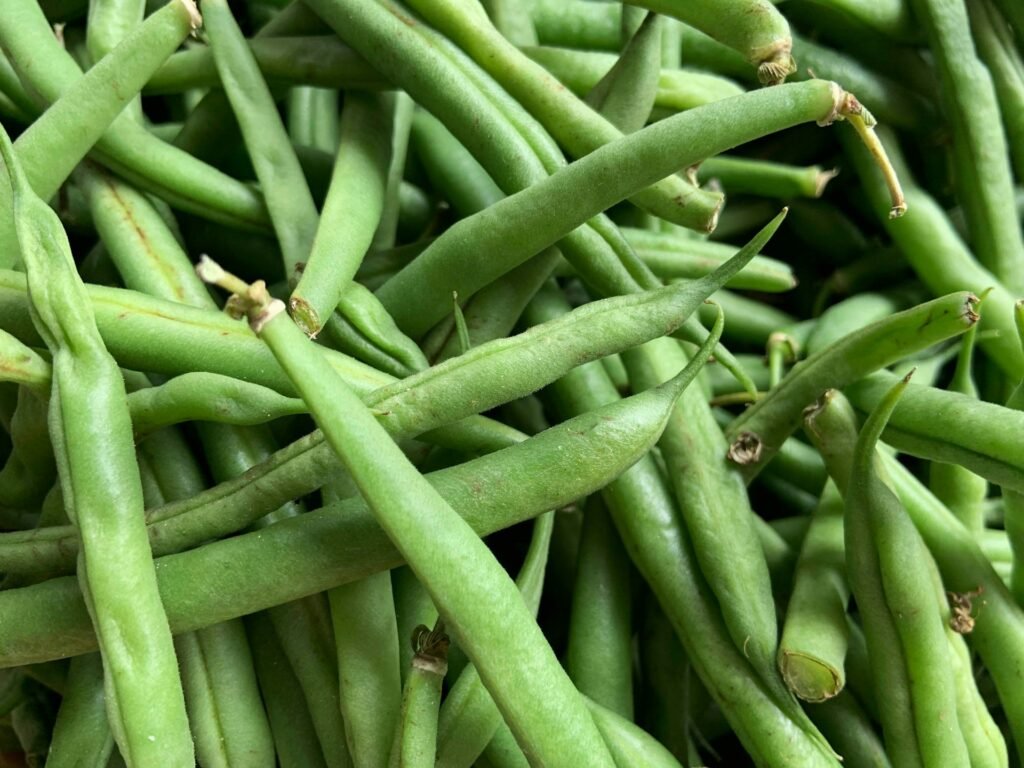
Choose beans that snap crisply when bent. Avoid those that are limp or have brown spots. Store them unwashed in a bag in the refrigerator crisper drawer. Wash them only right before cooking to prevent mould growth and spoilage.
5. Quick Recipe Ideas
- Lemon-Garlic Green Beans: Steam beans, then toss with minced garlic, lemon zest, and olive oil.
- Green Bean Salad: Blanched beans, cherry tomatoes, feta cheese, and balsamic glaze.
- Asian Style: Stir-fry with ginger, soy sauce, and sesame seeds (high heat for a short time).
The Bottom Line
Green beans are far more than a filler vegetable. They are a sophisticated source of nutrition that offers significant protection against modern health challenges.
The green bean antioxidants—including Vitamin C, flavonols like quercetin and kaempferol, and beta-carotene—work together to fight oxidative stress and lower inflammation. By including this accessible, affordable vegetable in your weekly rotation, you support your heart, your eyes, and your immune system.
For the best results, avoid overcooking them. Keep them crisp, pair them with a healthy fat, and enjoy the crunch of good health.
Always consult with a healthcare professional or a registered dietitian before making significant changes to your diet, especially if you have underlying health conditions or take medication impacted by Vitamin K intake (such as blood thinners).