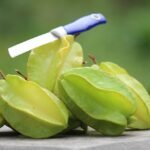
Star fruit, scientifically known as Averrhoa carambola, is a tropical gem celebrated not only for its distinct, star-shaped cross-section but also for its refreshing balance of sweet and tart flavours. While it is native to Southeast Asia and commonly found in tropical climates, dedicated gardeners in temperate regions, such as the UK, can successfully grow star fruit with the right environment and care.
Cultivating this exotic tree requires specific attention to temperature, soil acidity, and humidity. However, the reward of harvesting your own waxy, golden-yellow fruit makes the effort worthwhile. Whether you intend to plant it in a conservatory, a heated greenhouse, or outdoors in a subtropical zone, understanding the botanical needs of the carambola tree is essential for a bountiful harvest.
This guide explores the comprehensive steps to cultivate, maintain, and harvest star fruit, backed by horticultural science and practical gardening expertise.
Overview: Understanding the Carambola
The star fruit tree is a slow-growing, evergreen species that belongs to the Oxalidaceae family. In its natural habitat, it can reach heights of 6 to 9 metres (20 to 30 feet), though container-grown specimens—which are more common in cooler climates—remain significantly smaller. The tree features compound leaves that fold up at night or when the tree is shaken, a phenomenon known as seismonasty.
There are generally two main types of star fruit varieties:
- Sweet types: These are larger, with a milder acidity and higher sugar content. They are typically eaten fresh.
- Tart types: These are smaller and often used in cooking, garnishing, or making preserves due to their high oxalic acid content.
Before you begin, it is vital to note that while star fruit is nutritious, it contains substances that can be harmful to individuals with kidney conditions. You can read more about the health benefits and risks of star fruit to ensure it is a safe addition to your diet.
Factors for Success: Climate and Soil
To grow star fruit successfully, you must replicate its native tropical environment. This tree is not frost-tolerant and will sustain damage at temperatures below freezing. Understanding the following factors is critical for the plant’s survival.
Temperature and Sunlight
Carambola trees thrive in warm, humid conditions. They require full sunlight to produce the maximum amount of fruit.
- Optimal Temperature: Growth is best between 20°C and 35°C (68°F to 95°F).
- Cold Tolerance: Mature trees may survive a brief dip to -2°C (28°F), but young trees can be killed by any frost. In the UK or cooler US zones, this necessitates growing the tree in a large pot that can be moved into a greenhouse or conservatory during colder months.
For detailed information on plant hardiness and tropical species management, the Royal Horticultural Society (RHS) provides extensive resources for temperate gardeners attempting exotics.
Soil Requirements
The tree is moderately demanding regarding soil composition. It prefers a rich, loamy, and well-draining substrate.
- Acidity: The soil pH should be slightly acidic to neutral, ideally between 5.5 and 6.5. Alkaline soils can lead to nutrient deficiencies, specifically chlorosis (yellowing of leaves).
- Drainage: While the tree loves water, it hates ‘wet feet’. Standing water can cause root rot, a fungal condition that is often fatal.
Detailed soil profiles for tropical fruit trees can be explored through the University of Florida IFAS Extension, which offers specific research on carambola cultivation.
Planting and Propagation
While you can grow a tree from the seeds found inside a store-bought fruit, it is not the recommended method for fruit production. Seedling trees may take many years to bear fruit, and the resulting fruit may be sour or of variable quality.
Grafting vs. Seeds
Ideally, home gardeners should purchase a grafted tree from a reputable nursery. Grafted trees are clones of high-quality varieties (like ‘Arkin’ or ‘Fwang Tung’) and often begin fruiting within 1 to 2 years of planting.
According to the California Rare Fruit Growers, grafting ensures genetic consistency and disease resistance, which is crucial for long-term success.
Container Gardening
For those in non-tropical zones, container gardening is the only viable option.
- Pot Selection: Start with a 20-litre pot and gradually increase the size as the tree grows. Ensure multiple drainage holes.
- Potting Mix: Use a mix of peat moss, perlite, and vermiculite to ensure moisture retention without waterlogging.
- Positioning: Place the pot in the sunniest spot of your garden during summer and move it indoors before temperatures drop below 10°C (50°F).
Treatment and Management: Daily Care
Once established, the focus shifts to maintenance. This involves a regimen of watering, fertilising, and pruning to encourage structure and fruit bearing.
Watering Schedule
Star fruit trees have a high water requirement, especially during the flowering and fruiting stages. However, the watering schedule must be adjusted based on the season.
- Summer: Water deeply and frequently. If the leaves droop, the plant is drought-stressed.
- Winter: Reduce watering significantly. Allow the soil to dry out slightly between waterings to prevent root fungal issues.
Fertilisation
Carambola trees are heavy feeders. They are particularly susceptible to micronutrient deficiencies, appearing as interveinal chlorosis (yellowing between leaf veins).
| Nutrient | Deficiency Symptoms | Recommended Action |
|---|---|---|
| Nitrogen | Pale green leaves, slow growth. | Apply a balanced N-P-K fertiliser every 6-8 weeks during the growing season. |
| Iron | Young leaves turn yellow while veins remain green. | Use chelated iron as a foliar spray or soil drench. |
| Zinc | Small, distorted leaves and shortened internodes. | Apply zinc sulphate. |
| Manganese | Yellowing leaves with green veins (similar to iron). | Apply manganese sulphate. |
For a deeper dive into diagnosing plant nutrient issues, the Missouri Botanical Garden offers visual guides and botanical data.
Pruning
Pruning is essential to manage the size of the tree and facilitate light penetration.
- Timing: Prune in late winter or early spring before the new growth surge.
- Technique: Remove vertical branches (water shoots) and inward-growing branches. The goal is a vase-like shape that allows air and light into the centre of the canopy.
Proper pruning techniques for tropical fruit are well-documented by Purdue University Horticulture, providing academic insights into canopy management.
Pests and Diseases
While relatively robust, the carambola is not immune to threats.
- Fruit Flies: The most common pest. They lay eggs in the ripening fruit, causing it to rot. Bagging the fruit on the tree (wrapping individual fruits in paper or mesh bags) is an effective organic control method.
- Scale Insects and Mealybugs: These sap-suckers can weaken the tree. Horticultural oils or insecticidal soaps are standard treatments.
- Anthracnose: A fungal disease causing leaf spots. It is exacerbated by high humidity and poor airflow.
For global agricultural perspectives on these pests, the Food and Agriculture Organization (FAO) provides data on crop protection.
Harvesting
Star fruit does not ripen well off the tree, so patience is key. The fruit transitions from green to a pale yellow, and finally to a deep golden yellow with brown edges on the ribs (wings).
- The Sniff Test: A ripe star fruit will have a sweet, floral aroma.
- Texture: The fruit should be firm but yield slightly to pressure.
Harvest by cutting the stalk carefully; pulling the fruit can damage the branch. Once harvested, they can be stored in the refrigerator for up to two weeks.
Safety Considerations
It is imperative to address the medical implications of consuming star fruit. The fruit contains caramboxin and high levels of oxalates.
For people with healthy kidneys, the kidneys filter these substances out. However, for those with chronic kidney disease, consuming star fruit can lead to toxicity, causing hiccups, confusion, and more severe neurological issues. Please consult the National Kidney Foundation for authoritative advice on this specific risk.
Practical Tips for the Home Gardener
To summarise the best practices for those attempting to grow star fruit, consider these actionable tips:
- Mulch Heavily: Apply a layer of wood chips around the base (keeping it away from the trunk) to retain moisture and regulate soil temperature.
- Wind Protection: The tree’s branches are brittle and can snap in high winds. Plant in a sheltered location or provide a windbreak.
- Pollination: While many varieties are self-fertile, cross-pollination often improves yield. If growing indoors, you may need to hand-pollinate using a small brush to transfer pollen between flowers.
- Humidity Hacks: If growing indoors, mist the leaves daily or place the pot on a tray of pebbles and water to increase ambient humidity.
For identifying specific botanical characteristics during growth, Kew Gardens provides excellent botanical profiles.
Finally, for general troubleshooting and community advice, sites like Gardening Know How can be invaluable resources for day-to-day queries.
The Bottom Line
Growing star fruit is an intermediate-level gardening project that rewards patience and attention to detail.
While the tree demands a strictly controlled environment regarding temperature and moisture, the result is a stunning ornamental plant that produces delicious, vitamin-rich fruit. By ensuring acidic soil, protection from frost, and adequate micronutrients, you can successfully cultivate this tropical delicacy even in temperate zones.
Remember to consult with a healthcare professional regarding consumption if you have any underlying kidney concerns. With the right care, your carambola tree can provide a sweet, tangible connection to the tropics for years to come.