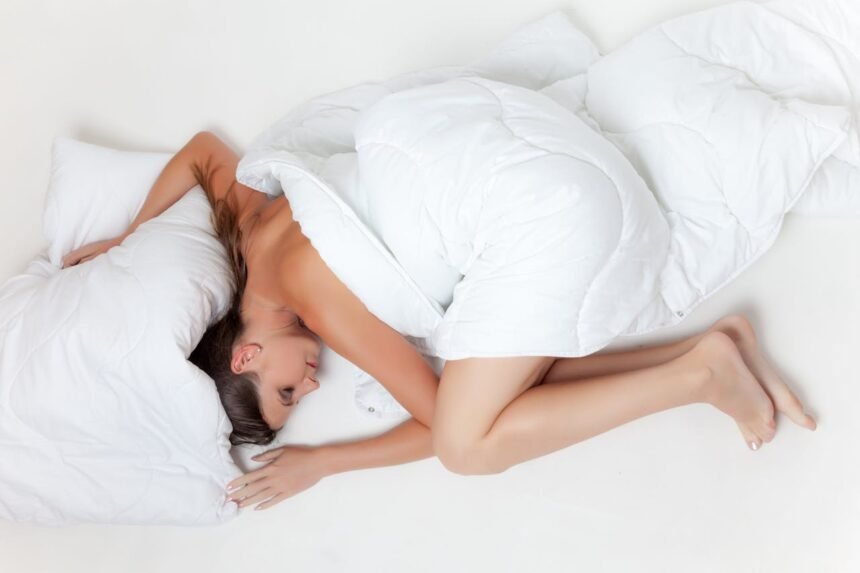
Caffeine is the world’s most popular psychoactive substance. Most of us rely on a morning cup of tea or coffee to start the day. However, consuming caffeine late in the day can have a significant impact on your sleep health. It is a stimulant that blocks sleep-inducing chemicals in the brain.
Many people do not realise that caffeine stays in their system for hours. This lingering presence can delay sleep onset and reduce the quality of deep sleep. Understanding how caffeine interacts with your body is essential for better rest. This article explores the effect of caffeine on sleep cycle and how to manage your intake.
Understanding Caffeine and Adenosine
To understand caffeine, you must first understand adenosine. Adenosine is a chemical that builds up in your brain while you are awake. As levels rise, you feel an increasing “sleep pressure” or urge to sleep. This is a natural process regulated by your circadian rhythm.
Caffeine acts as an adenosine receptor antagonist. This means it mimics the shape of adenosine and binds to its receptors. However, it does not activate them. Instead, it effectively blocks real adenosine from entering. Research from the National Institutes of Health (NIH) confirms that this blockage stops the brain from registering fatigue.
This does not mean the need for sleep disappears. The adenosine continues to build up in the background. Once the caffeine wears off, all that built-up adenosine floods the receptors. This often leads to a sudden “crash” in energy levels. You can read more about adenosine accumulation in our detailed guide.
The Effect of Caffeine on the Sleep Cycle
The effect of caffeine on sleep cycle timing is profound. It can shift your body clock, making you stay up later than intended. This delay reduces the total time available for sleep. More importantly, caffeine changes the architecture of your sleep.
Studies show that stimulants reduce the amount of deep, slow-wave sleep you get. This stage is critical for repairing tissues and strengthening the immune system. If you miss out on deep sleep, you may wake up feeling unrefreshed. This often leads people to ask, “why do i feel tired after 8 hours of sleep?”
The answer often lies in sleep quality rather than quantity. Even if you are in bed for eight hours, caffeine-induced micro-arousals can fragment your rest. You might not remember waking up, but your brain fails to cycle smoothly through the stages of sleep. For more on sleep quality, check the NHS guide to sleep and tiredness.
Timing and Tolerance: Who is at Risk?
Teenagers and Young Adults
Young people are often particularly sensitive to sleep disruptions. Their brains are still developing, and they require more rest than adults. A common question is, “is 6 hours of sleep enough for a 20 year old?” Generally, the answer is no. Young adults typically need between 7 and 9 hours for optimal cognitive function.
Caffeine consumption in this age group often comes from energy drinks. This can severely delay their natural sleep phase. A sleep cycle calculator for teenagers can be a useful tool to help visualise ideal bedtimes. However, removing stimulants is the most effective step. You can learn more about adolescent sleep requirements on our blog.
The Elderly Population
As we age, our metabolism slows down. This includes how quickly the liver processes caffeine. Older adults may find that a cup of coffee at noon keeps them awake at night. Insomnia is more prevalent in this demographic.
Many seniors prefer to avoid prescription medication. Instead, they look for natural remedies for insomnia in elderly people. These might include maintaining a strict routine or adjusting dietary habits. Reducing caffeine intake is often the first recommendation from doctors. For further reading, visit the National Institute on Aging.
Common Sleep Disorders Masked by Caffeine
Many people use caffeine to mask underlying health issues. Chronic fatigue might not just be a lack of coffee. It could be a symptom of a disorder. You should review a common sleep disorders list to see if your symptoms match other conditions.
For example, sleep apnea causes breathing to stop and start during the night. While often associated with men, signs of sleep apnea in women can be different. They may present as morning headaches, mood changes, or insomnia rather than loud snoring. Relying on caffeine to combat this fatigue delays diagnosis and treatment. Learn more about identifying sleep disorders here.
What to Do When Sleep is disrupted
Night-time Awakenings
Consuming caffeine too late can cause you to wake up in the middle of the night. It is frustrating to stare at the ceiling. Knowing what to do when you can’t sleep at 3am is crucial. Do not stay in bed and worry. This creates a negative association between your bed and stress.
Instead, get up and do a quiet, low-light activity. Read a book or listen to soft music. Avoid screens and bright lights. Return to bed only when you feel sleepy again. This technique is part of Stimulus Control Therapy. The Mayo Clinic suggests this is highly effective for maintenance insomnia.
Fixing Your Schedule
If caffeine has pushed your bedtime to 2 am or 3 am, you may need to reset your body clock. Learning how to fix a reversed sleep schedule takes patience. You should wake up at the same time every day, regardless of how much you slept.
Expose yourself to bright sunlight immediately upon waking. This suppresses melatonin and signals your brain that the day has started. Avoid napping during the day, as this reduces sleep pressure at night. See our guide on resetting circadian rhythms.
Techniques and Tools for Better Sleep
The Military Method
If you struggle to drift off, specific relaxation techniques can help. The military sleep method step by step is a popular technique. It involves relaxing every muscle group in your body, starting from your face and moving down to your toes.
1. Relax your forehead, eyes, and jaw.
2. Drop your shoulders and relax your arms.
3. Exhale and relax your chest.
4. Relax your legs, thighs, and calves.
5. Clear your mind for ten seconds.
This method helps lower physical arousal caused by stimulants. The Sleep Foundation offers more insights into relaxation strategies.
Mental Health and Anxiety
Caffeine can increase anxiety, which in turn hinders sleep. Racing thoughts are a common barrier to rest. Using affirmations for sleep and anxiety can shift your mindset. Repeating phrases like “I am safe” or “I am ready to rest” can soothe the nervous system.
Mindfulness practices help detach from the stimulating effects of the day. You can find more anxiety management tips in our wellness section.
Helpful Technology
Technology can be a double-edged sword, but some tools are beneficial. There are many apps designed to track sleep or play white noise. Looking for the best sleep apps for free is a good starting point. These apps often include guided meditations or soundscapes.
Additionally, protecting your eyes from screen glare is important. Using blue light glasses for sleep effectiveness is debated, but many users find they help reduce eye strain in the evening. Reducing blue light exposure helps melatonin production. Read the Harvard Health report on blue light.
Alternatives to Caffeine
If you decide to cut back on coffee, you might worry about energy levels. You might wonder how to wake up early without feeling tired. The key is hydration and movement. Drinking water immediately upon waking helps rehydrate the body.
Engaging in light exercise boosts circulation and wakes up the brain naturally. A cold shower is another shock to the system that promotes alertness. For nutrition advice, see our post on foods for sustained energy.
In the evening, swap your coffee for herbal options. Chamomile or Valerian root tea to help you sleep better is a classic remedy. These teas contain compounds that promote relaxation without the side effects of caffeine. Johns Hopkins Medicine supports the use of herbal teas for relaxation.
How to Quit Caffeine Safely
Quitting caffeine “cold turkey” can lead to withdrawal symptoms. These include headaches, irritability, and fatigue. It is better to taper off slowly over a few weeks. Start by mixing decaf with your regular coffee.
Gradually reduce the number of cups you drink per day. Replace them with water or herbal tea. This gives your adenosine receptors time to adjust. You can read our full caffeine detox plan for a structured approach.
Monitor your sleep as you reduce intake. You will likely notice an improvement in sleep depth. You may also find you dream more vividly. This is a sign of REM rebound. For more on dreams, check our article on dream psychology.
The Bottom Line
Caffeine is a powerful tool, but it must be used wisely. Its ability to disrupt sleep architecture and delay the circadian rhythm is well-documented. By understanding the timing of your intake, you can enjoy your coffee without sacrificing your health.
Pay attention to signs of poor sleep quality. If you wake up tired or struggle to fall asleep, consider an afternoon cutoff for caffeine. Experiment with natural alternatives and relaxation techniques. Prioritising sleep is the best way to ensure high energy levels throughout the day.
For more information on global health standards regarding sleep, visit the World Health Organization or the CDC Sleep and Sleep Disorders page. Remember to consult a doctor if sleep issues persist. Read our guide on when to see a specialist.