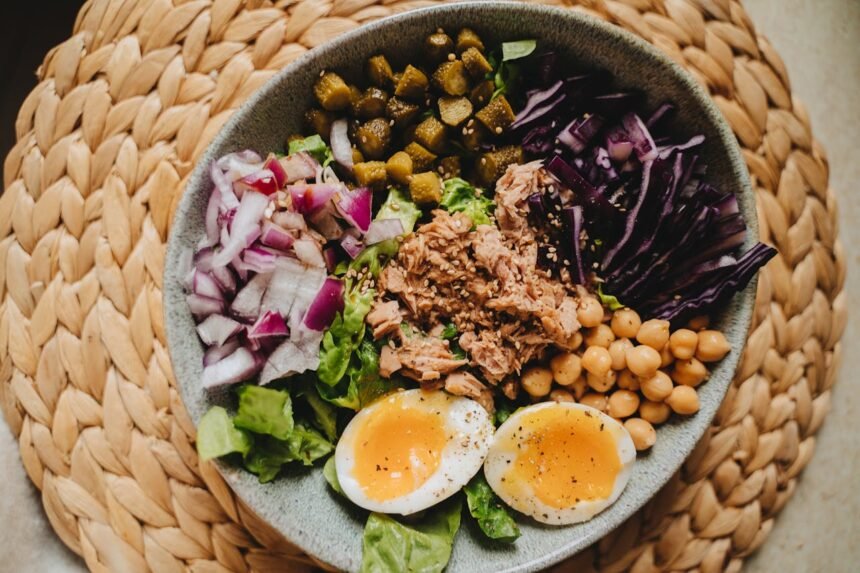
Adopting a Paleo lifestyle can feel like a revelation for many. By eliminating processed foods, grains, and refined sugars, you often experience a surge in energy and a reduction in inflammation. However, a common stumbling block arises during the transition: digestion.
Many people mistakenly believe that going Paleo means eating meat primarily. If your plate is piled high with protein but lacks plant matter, your digestion may become sluggish. This is often due to a sudden drop in dietary fibre, a crucial nutrient for gut motility and microbiome health. The good news is that the Paleo framework actually encourages a vast array of fibre-rich plant foods that can keep your system running smoothly.
You do not need grains or legumes to meet your daily fibre requirements. In fact, many Paleo-friendly fruits, vegetables, seeds, and nuts are far denser in nutrients than the whole grains they replace. Prioritising these foods ensures you support your gut bacteria, maintain regular bowel movements, and feel lighter after meals.
This article explores the best high-fibre Paleo foods to support better digestion, helping you optimise your gut health while sticking to your primal principles.
The Role of Fibre in a Paleo Diet
Fibre is a type of carbohydrate that the body cannot digest. Instead of being broken down into sugar molecules, it passes through the body undigested. This process is vital for regulating the body’s use of sugars and helping to keep hunger and blood sugar in check.
There are two main types of fibre, and a balanced Paleo diet should provide plenty of both:
- Soluble Fibre: This dissolves in water to form a gel-like material. It can help lower blood cholesterol and glucose levels. Ideally, you want to source this from fleshier fruits and root vegetables.
- Insoluble Fibre: This promotes the movement of material through your digestive system and increases stool bulk. It is of great benefit to those who struggle with constipation or irregular stools.
According to the NHS guidelines on dietary fibre, the recommended average intake for adults is 30g per day. Yet, most adults only consume about 18g. When you remove whole grains—a common source of fibre in the Western diet—you must be intentional about replacing them with high-quality Paleo alternatives.
Without adequate fibre, the gut microbiome may suffer. Beneficial bacteria rely on fermentable fibres (prebiotics) to thrive. A study published in PubMed highlights that dietary fibre is essential for metabolic health and maintaining a diverse gut flora, which influences everything from immunity to mood.
Top High-Fibre Paleo Foods to Prioritise
To hit that 30g target without grains, focus on these nutrient-dense categories. Incorporating a variety of these foods ensures you get a mix of soluble and insoluble fibre, alongside essential vitamins.
1. Avocados
Avocados are a nutritional powerhouse and a staple of the Paleo diet. Unlike most fruits, they are low in sugar and high in healthy monounsaturated fats. More importantly for digestion, they are exceptionally high in fibre.
A single avocado can contain around 10 to 13 grams of fibre, depending on its size. This combination of fat and fibre makes them incredibly satiating. Healthline notes that avocados are not only nutritious but can drastically improve nutrient absorption from other plant foods.
2. Berries (Raspberries and Blackberries)
While some fruits can be high in fructose, berries are lower on the glycaemic index and packed with antioxidants. They are also among the most fibre-dense fruits available.
- Raspberries: Just one cup (approx. 123g) provides roughly 8g of fibre.
- Blackberries: Similar to raspberries, offering nearly 8g per cup.
The seeds in these berries contribute to their insoluble fibre content, helping to keep digestion regular. They are perfect for breakfast bowls or as a snack.
3. Cruciferous Vegetables
Vegetables like broccoli, cauliflower, and Brussels sprouts are excellent sources of fibre. They also contain compounds called glucosinolates, which have been studied for their potential health benefits.
- Brussels Sprouts: These offer about 4g of fibre per cup.
- Broccoli: Provides roughly 2.4g per cup chopped.
According to Cancer Research UK, a diet high in fibrous vegetables helps move food through the bowel more quickly, reducing the risk of bowel cancer.
4. Chia and Flax Seeds
Seeds are an easy way to boost the fibre content of any meal without adding significant volume. They are technically pseudo-grains but are widely accepted in the Paleo community due to their profile.
- Chia Seeds: A mere 28g (two tablespoons) contains an impressive 10g of fibre.
- Flax Seeds: Contain about 2.8g of fibre per tablespoon.
These seeds are high in mucilage, a type of soluble fibre that soothes the gut lining. Medical News Today highlights that the fibre in chia seeds can help manage blood sugar levels and improve satiety.
5. Sweet Potatoes
Tubers are the primary source of starch on a Paleo diet. Sweet potatoes are far superior to white potatoes in terms of nutritional density and fibre content, especially if you eat the skin.
A medium-sized boiled sweet potato contains nearly 4g of fibre. They are also rich in beta-carotene. The British Nutrition Foundation emphasises the importance of starchy root vegetables as a key source of energy and fibre in a balanced diet.
6. Almonds
Nuts are a convenient snack that provides healthy fats, protein, and fibre. Almonds are particularly good for the gut.
Per 28g serving (about 23 nuts), you get 3.5g of fibre. They also contain prebiotic properties. Heart UK suggests that replacing saturated fats with nuts like almonds can help manage cholesterol levels while boosting fibre intake.

Comparison of Fibre Content in Paleo Foods
To help you plan your meals, here is a quick comparison of fibre content per typical serving size.
| Food Item | Serving Size | Approx. Fibre (g) | Primary Fibre Type |
|---|---|---|---|
| Chia Seeds | 2 Tablespoons (28g) | 10.0g | Soluble & Insoluble |
| Avocado | 1 Medium Fruit | 10.0g – 13.0g | Soluble & Insoluble |
| Raspberries | 1 Cup (123g) | 8.0g | Insoluble |
| Brussels Sprouts | 1 Cup (cooked) | 4.0g | Insoluble |
| Sweet Potato | 1 Medium (with skin) | 3.8g | Soluble |
| Almonds | 1 Handful (28g) | 3.5g | Insoluble |
| Pear | 1 Medium Fruit | 5.5g | Soluble (Pectin) |
| Artichoke | 1 Medium Head | 7.0g | Insoluble (Inulin) |
Actionable Tips for Better Digestion on Paleo
Increasing your intake of these foods is the first step, but how you eat them matters too. Here are practical ways to ensure your digestion adapts well.
Increase Intake Gradually
If you suddenly jump from 15g to 40g of fibre a day, you may experience bloating or gas. The gut microbiome needs time to adjust to the increased fermentation.
Prioritise Hydration
Fibre works like a sponge; it absorbs water to bulk up stool. If you do not drink enough water, high fibre intake can actually cause constipation. The GOV.UK Eatwell Guide recommends drinking 6 to 8 glasses of fluid a day, which is even more critical when consuming a high-fibre diet.
Cook Your Vegetables
Raw vegetables can be hard to digest for some people. Lightly steaming or roasting cruciferous vegetables like broccoli breaks down tough cellular walls, making the nutrients more accessible and the fibre gentler on the stomach. BBC Good Food explains that cooking can also enhance the availability of certain antioxidants.
Chew Thoroughly
Digestion begins in the mouth. Chewing breaks down food mechanically and mixes it with saliva, which contains enzymes that start the digestive process. This reduces the workload on your stomach and small intestine.
Frequently Asked Questions
Is the Paleo diet naturally low in fibre?
It is a common misconception that Paleo is low in fibre because it excludes grains. However, a well-planned Paleo diet that includes plenty of vegetables, fruits, nuts, and seeds can easily exceed the fibre content of a standard grain-based diet. A study in the American Journal of Clinical Nutrition suggests that Paleolithic diets are often associated with higher satiety and better metabolic profiles, partly due to fibre density.
Can I take fibre supplements on Paleo?
While whole foods are always best, supplements like psyllium husk can be Paleo-friendly. Psyllium is a soluble fibre often used in Paleo baking to replicate the texture of gluten. Diabetes UK notes that psyllium can be useful for blood glucose management, but it should not replace vegetables.
Do animal products contain fibre?
No. Fibre is exclusively found in plant foods. Meat, fish, eggs, and fats contain zero fibre. This is why the “vegetable” portion of your plate is non-negotiable for gut health.
The Bottom Line
Transitioning to a Paleo diet does not mean you have to sacrifice digestive health. In fact, by removing processed irritants and focusing on high-fibre paleo foods like avocados, berries, leafy greens, and seeds, you can support a robust and happy microbiome.
The key is balance. Ensure you are not just filling up on protein but are actively tracking your plant intake. Remember to increase your fibre slowly and drink plenty of water to help your body adapt.
By choosing the right whole foods, you can enjoy all the benefits of the Paleo lifestyle—energy, weight management, and clarity—without the discomfort of digestive issues. Your gut will thank you for the extra attention.