Finding clumps of hair in your brush or circling the shower drain can be a genuinely disheartening experience. For many of us, our hair is deeply tied to our self-confidence and identity, making any sign of thinning a source of anxiety. While it is completely normal to shed between 50 and 100 hairs a day, anything surpassing this threshold often sends us searching for solutions.
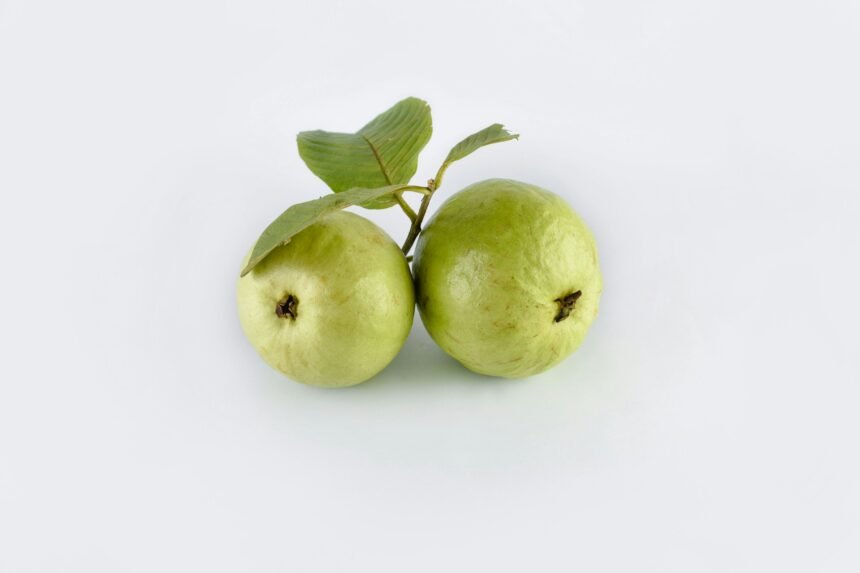
In the pursuit of luscious locks, natural remedies have seen a massive resurgence. You may have heard whispers in online beauty communities about the tropical guava fruit. Known scientifically as Psidium guajava, this fruit is celebrated for its distinct flavour, but it is the leaves that are currently garnering attention in the wellness sphere.
Advocates claim that guava leaves can arrest hair fall and stimulate new growth. But is this a miracle cure or just another myth? In this article, we explore the nutritional profile of guava and what the science actually says about its benefits for your hair. We will also look at practical ways to use it and the NHS guidance on hair loss to help you make an informed decision.
What is the link between guava and hair health?
To understand why guava might be beneficial, we must look at the biology of hair growth. Your hair follicles are metabolically active and require a steady stream of nutrients to function optimally. Guava, and particularly its leaves, is packed with bioactive compounds that may support this process.
The Power of Vitamin C
One of the most significant assets of the guava fruit is its exceptional Vitamin C content. It contains roughly four times the amount of Vitamin C found in oranges. According to Healthline’s overview of Vitamin C benefits, this nutrient is vital for the production of collagen.
Collagen is a structural protein that provides the amino acids necessary to build hair keratin. As we age, collagen production naturally declines, which can lead to brittle hair. By consuming high levels of Vitamin C, you support your body’s ability to maintain hair structure.
Antioxidant protection
Furthermore, Vitamin C acts as a potent antioxidant. Our scalps are constantly exposed to environmental stressors, such as pollution and UV radiation. These stressors create free radicals—unstable molecules that can damage cellular structures.
A study archived in PubMed on oxidative stress highlights how antioxidants protect the hair follicle from premature ageing. By neutralising these free radicals, the antioxidants found abundantly in guava leaves may help maintain a scalp environment that is conducive to growth.
B Vitamins and scalp circulation
Guava is also a source of B vitamins, including riboflavin (B2) and traces of biotin. Deficiencies in B vitamins are frequently linked to hair shedding. As noted by the NHS guidance on vitamins and minerals, these nutrients help the body release energy from food, ensuring your hair cells have the fuel they need to divide and grow.
Additionally, some research suggests that the flavonoids in guava leaves may improve blood circulation. Good circulation is essential for delivering oxygen and nutrients to the hair follicle matrix.
Anti-inflammatory and antimicrobial properties
Scalp inflammation can often be a hidden culprit behind hair thinning. Conditions like dandruff or folliculitis can impede growth. Guava leaves contain tannins and flavonoids which possess natural anti-inflammatory and antimicrobial properties.
Research indicates that extracts from guava leaves can inhibit the growth of certain bacteria. If your hair loss is exacerbated by a scalp infection or dandruff, the antimicrobial action of a guava rinse might offer relief.
How to use guava for hair growth
If you are keen to try this natural remedy, there are two primary methods: topical application using the leaves and dietary consumption of the fruit. Below, we break down the most popular techniques.
1. The Guava Leaf Tea Rinse
This is the most popular method for targeting hair loss directly at the root. It involves brewing a strong ‘tea’ from the leaves and using it as a post-wash treatment.
What you need:
- A handful of fresh guava leaves (or dried leaves if fresh are unavailable).
- 1 litre of water.
- A strainer.
- A spray bottle or applicator cup.
The method:
- Cleanse: Wash the guava leaves thoroughly under running water to remove any dust or dirt.
- Boil: Place the water in a pot and bring it to a boil. Add the leaves and let them simmer for 20 minutes. The water should turn a brownish-amber colour.
- Cool: Remove the pot from the heat and allow the solution to cool completely to room temperature. Never apply boiling water to your scalp.
- Strain: Strain the liquid to remove the leaves.
- Apply: After shampooing and conditioning your hair as normal, pour the cooled guava water over your scalp. Focus on the roots rather than the ends.
- Massage: Gently massage your scalp for 10 minutes. This mechanical action also helps stimulate blood flow.
- Wait: You can leave the solution in for up to 2 hours or even overnight (using a shower cap), then rinse with lukewarm water.
2. The Guava Hair Mask
For a more intensive treatment, you can create a paste. This is particularly useful if you want to combine the benefits of guava with other moisturisers like honey or coconut oil.
The method:
- Take a handful of soft, young guava leaves and blend them with a small amount of water to form a thick paste.
- Apply this paste directly to the scalp, section by section.
- Leave it on for 30 minutes before washing it out thoroughly. Note that this can be messier than the tea rinse and may require extra rinsing to remove leaf residue.
3. Dietary Inclusion
Topical application is only half the battle. Healthy hair starts from the inside out. Incorporating the fruit into your diet ensures you get the systemic benefits of its nutrients.
According to the GOV.UK Eatwell Guide, fruit and vegetables should make up just over a third of the food we eat each day. Adding guava to your fruit salad or smoothies contributes to this target while boosting your Vitamin C intake.
There are many ways to enjoy the fruit:
- Raw: Simply slice it and eat the flesh (the seeds are edible but hard).
- Juice: Blend the flesh and strain it for a refreshing drink.
- Salads: Cubed guava adds a tropical twist to savoury salads.
For culinary inspiration, you can check BBC Good Food for guava recipes to find delicious ways to integrate this fruit into your weekly meal plan.
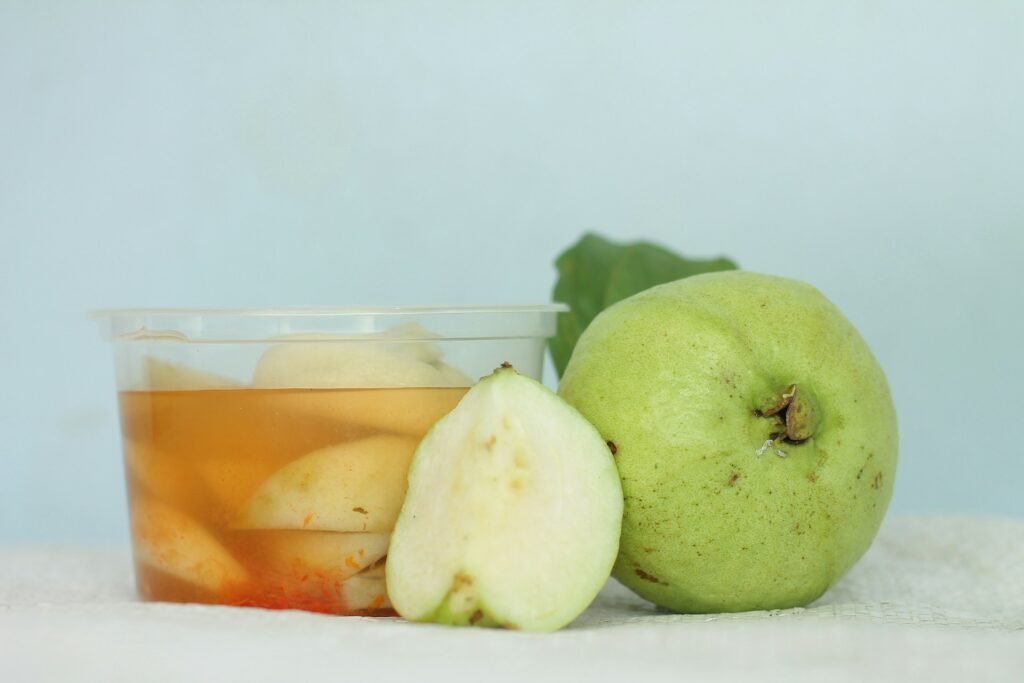
Nutritional Breakdown: Guava vs. Orange
To highlight why this fruit is such a nutritional heavyweight for hair health, here is a comparison of key nutrients found in 100g of raw fruit.
| Nutrient | Guava (100g) | Orange (100g) | Benefit for Hair |
|---|---|---|---|
| Vitamin C | ~228 mg | ~53 mg | Essential for collagen synthesis and iron absorption. |
| Vitamin A | ~624 IU | ~225 IU | Helps glands make sebum, moisturising the scalp. |
| Potassium | ~417 mg | ~181 mg | Supports fluid balance and cell signals. |
| Folate (B9) | ~49 mcg | ~30 mcg | Aids in tissue growth and cell function. |
| Fibre | ~5.4 g | ~2.4 g | Supports overall gut health and nutrient absorption. |
Potential side effects and precautions
While guava is natural, “natural” does not always mean risk-free. It is important to approach any new treatment with care.
Skin Sensitivity
Topical application of guava leaf extract is generally considered safe for most people. However, those with sensitive skin or eczema should be cautious. Always perform a patch test on your inner arm 24 hours before applying the solution to your entire scalp.
Allergies
Though rare, some individuals may be allergic to guava. If you experience swelling, redness, or itching, wash the product off immediately and consult a GP. For more information on managing skin reactions, refer to the British Association of Dermatologists resources.
Dietary Caution
If you have certain medical conditions, such as those requiring a low-potassium diet, consult your doctor before significantly increasing your intake of guava. The British Nutrition Foundation advises variety in your diet rather than over-relying on a single “superfood.”
Frequently Asked Questions
Can I leave guava water in my hair overnight?
Yes, you can. Leaving the guava leaf rinse in your hair overnight may allow for better absorption of the nutrients. However, ensure you wear a shower cap to prevent staining your pillowcases. If you have a dry scalp, monitor how your skin reacts, as leaving it too long might cause dryness for some individuals.
How often should I use the treatment?
Most anecdotal evidence suggests using the guava leaf rinse two to three times a week. Consistency is key with natural remedies. You are unlikely to see results overnight; hair growth cycles are slow, and it may take several months to notice a difference.
Does guava cure baldness?
It is crucial to manage expectations. While guava can support the health of existing follicles and improve the scalp environment, it cannot resurrect dead follicles. If you are experiencing genetic pattern baldness or alopecia areata, you should seek advice from a dermatologist. A study in PubMed on natural hair remedies suggests that while herbal preparations show promise, clinical medical treatments are often required for significant hair restoration.
Will eating guava alone stop hair loss?
No single food can stop hair loss if the underlying cause is stress, hormonal imbalance, or genetics. However, a deficiency in iron is a common cause of shedding, particularly in women. Vitamin C (abundant in guava) significantly improves iron absorption. Therefore, eating guava alongside iron-rich foods is a smart strategy. You can read more about iron deficiency and hair on the NHS anaemia page.
The Bottom Line
Guava is a nutrient-dense fruit that offers impressive benefits for your overall health, largely due to its high Vitamin C and antioxidant content. These nutrients are theoretically beneficial for maintaining a healthy scalp and supporting collagen production, which is essential for strong hair strands.
While scientific research specifically linking guava leaves to human hair regrowth is limited, the antimicrobial and anti-inflammatory properties of the leaves may help improve scalp conditions like dandruff, creating a better foundation for growth.
Ultimately, adding guava to your diet or trying a leaf rinse is a low-risk, natural strategy that may yield results over time. However, if your hair loss is sudden or severe, it is vital to consult a GP or trichologist to rule out underlying health issues before relying solely on home remedies.