Living with diabetes requires a constant, often exhausting, balancing act. It involves monitoring blood glucose levels, managing medications, and, perhaps most significantly, navigating the complex world of nutrition.
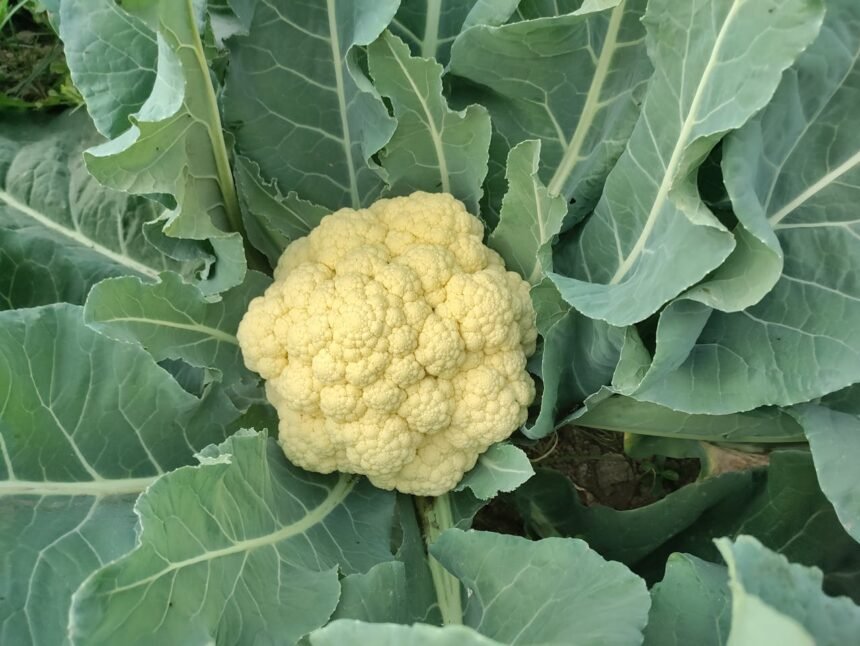
For those diagnosed with type 1 or type 2 diabetes, the primary dietary goal is usually controlling carbohydrate intake to prevent dangerous spikes in blood sugar. In recent years, cauliflower for diabetes has emerged as a nutritional superstar.
Once dismissed as the bland cousin of broccoli, this cruciferous vegetable has reinvented itself as a versatile, low-carb substitute for starchy staples like rice, potatoes, and even pizza crusts.
But is it truly a miracle food for blood sugar management? Does it live up to the hype?
This article explores the nutritional profile of cauliflower, its impact on the glycaemic index, and why it is considered one of the best vegetables for diabetic meal planning.
Overview: The Carbohydrate Conundrum
When you have diabetes, your body struggles to process carbohydrates effectively. While carbs are the body’s primary energy source, they are broken down into glucose, which enters the bloodstream.
For a healthy individual, the pancreas releases insulin to transport this glucose into cells. However, in diabetics, this system is impaired, leading to hyperglycaemia (high blood sugar).
Therefore, finding foods that provide satiety and nutrients without a heavy carbohydrate load is essential. This is where cauliflower shines.
Unlike starchy vegetables such as corn or potatoes, cauliflower is a non-starchy vegetable. It allows you to add volume to your plate without significantly impacting your total daily carb allowance.
Nutritional Profile of Cauliflower
To understand why cauliflower for diabetes is so highly recommended, we must look at the data. Cauliflower is nutrient-dense, meaning it provides a high amount of vitamins and minerals for very few calories.
According to the U.S. Department of Agriculture (USDA), a one-cup serving (approximately 107 grams) of raw cauliflower contains:
| Nutrient | Amount |
|---|---|
| Calories | 27 |
| Total Carbohydrates | 5.3 g |
| Dietary Fibre | 2.1 g |
| Sugars | 2 g |
| Protein | 2.1 g |
| Vitamin C | 51.6 mg (57% DV) |
| Vitamin K | 16.6 µg (14% DV) |
| Folate | 61 µg (15% DV) |
Net Carbs Matter
For those counting carbohydrates, net carbs are often the focus. Net carbs are calculated by subtracting fibre from total carbohydrates. Since the body does not digest fibre into glucose, it does not raise blood sugar in the same way sugar or starch does.
With roughly 5 grams of total carbs and 2 grams of fibre, a cup of cauliflower yields only about 3 grams of net carbs. This makes it an incredibly safe choice for low-carb and ketogenic diets often prescribed for diabetes management.

The Glycaemic Index (GI) and Cauliflower
One of the most useful tools for managing diabetes is the Glycaemic Index (GI). The GI measures how quickly a carbohydrate-containing food raises blood glucose levels.
Foods are ranked on a scale of 0 to 100:
- Low GI: 55 or less
- Medium GI: 56 to 69
- High GI: 70 or higher
Pure glucose has a GI of 100. Foods with a high GI cause rapid spikes in blood sugar, followed by crashes, while low GI foods release glucose slowly and steadily.
Where does cauliflower rank?
Cauliflower has an exceptionally low Glycaemic Index, typically estimated between 15 and 30.
Because the carbohydrate content is so low to begin with, its Glycaemic Load (GL)—which accounts for serving size—is practically negligible. This means that eating a standard serving of cauliflower will have almost no immediate impact on your blood sugar levels, making it a stark contrast to white rice (GI of approx. 73) or mashed potatoes (GI of approx. 82).
Key Benefits of Cauliflower for Diabetes
Beyond simply being low in carbs, specific compounds within cauliflower offer protective benefits for metabolic health.
1. High Fibre Content
Fibre is crucial for blood sugar management. It slows the absorption of sugar into your bloodstream, preventing sudden spikes. Additionally, high-fibre diets are linked to lower risks of heart disease, a common complication for diabetics.
According to Diabetes UK, increasing fibre intake can help manage weight and improve gut health. The fibre in cauliflower promotes satiety, helping you feel fuller for longer, which can prevent overeating and aid in weight management.
2. Powerful Antioxidants and Sulforaphane
Cauliflower belongs to the Brassica family, known for containing potent antioxidants. One of the most studied compounds in these vegetables is sulforaphane.
Research indicates that sulforaphane may help reduce fasting blood sugar levels and improve insulin sensitivity. A study published by the National Institutes of Health (NIH) suggests that sulforaphane regulates glucose production in liver cells, potentially offering a protective effect against diabetic complications.
Furthermore, the antioxidants in cauliflower, such as glucosinolates and isothiocyanates, help combat oxidative stress. Diabetics often have higher levels of inflammation in the body, and consuming antioxidant-rich foods can help mitigate cellular damage.
3. Weight Management Support
Obesity is a primary risk factor for type 2 diabetes. Losing even a small percentage of body weight can significantly improve insulin sensitivity.
Because cauliflower is high in water and fibre but low in calories, it is a high-volume food. You can eat a large portion without consuming excessive energy. Substituting high-calorie, carb-heavy foods with cauliflower alternatives is a practical strategy for creating a calorie deficit without feeling deprived.
For more on weight management strategies, you can read Healthline’s guide on losing weight with diabetes.
Practical Tips: How to Eat Cauliflower
The versatility of cauliflower is unmatched. Its mild flavour allows it to absorb the taste of spices and sauces, making it an excellent canvas for healthy cooking.
Cauliflower Rice
This is perhaps the most popular application. By pulsing raw florets in a food processor, you create grain-sized pieces that mimic rice.
- Why it helps: A cup of white rice has about 45g of carbs. A cup of cauliflower rice has 5g. That is a 90% reduction in carbohydrates.
Cauliflower Mash
Steaming cauliflower and blending it with a touch of butter, garlic, and nutritional yeast creates a side dish that rivals mashed potatoes.
- Preparation Tip: Ensure you drain the steamed cauliflower well before mashing to avoid a watery texture.
Cauliflower Steaks
Thick slices of the vegetable can be roasted with olive oil, paprika, and turmeric. This provides a hearty, savoury main course or side dish.
According to the American Heart Association, roasting vegetables caramelises their natural sugars, enhancing flavour without the need for added refined sugar or excessive salt.
Pizza Crusts
Mixing riced cauliflower with egg and cheese creates a low-carb pizza base. While store-bought versions exist, check the labels carefully, as some brands add tapioca starch or rice flour, which can increase the GI.
Potential Downsides and Precautions
While cauliflower for diabetes is generally safe and beneficial, there are a few considerations to keep in mind.
Digestive Issues
Cauliflower contains complex carbohydrates called FODMAPs. For some individuals, particularly those with Irritable Bowel Syndrome (IBS), these can ferment in the gut, causing bloating and gas. If you are not used to a high-fibre diet, increase your intake gradually and drink plenty of water. The Mayo Clinic recommends adding fibre slowly to allow your digestive system to adjust.
Thyroid Function
Cruciferous vegetables contain goitrogens, substances that can interfere with the thyroid gland’s uptake of iodine. However, this is typically only a concern if you have an iodine deficiency and consume extremely large amounts of raw cauliflower. Cooking the vegetable largely deactivates these compounds. For more on this, consult Medical News Today’s overview on goitrogens.
Vitamin K and Blood Thinners
Cauliflower is rich in Vitamin K, which plays a vital role in blood clotting. If you are taking blood-thinning medication like warfarin, consistent Vitamin K intake is crucial. Suddenly increasing your consumption of Vitamin K-rich foods can alter how these medications work. Always speak to your GP or dietician before making drastic dietary changes.
The Bottom Line
Is cauliflower good for diabetics? The answer is a resounding yes.
It is a low-glycaemic, nutrient-dense powerhouse that offers a practical solution to the carbohydrate restrictions that come with diabetes management. By swapping starchy staples for cauliflower-based alternatives, you can significantly reduce your daily glucose load while still enjoying hearty, filling meals.
Here is a summary of why you should include it in your diet:
- Blood Sugar Control: Its low GI and GL mean it won’t spike your blood sugar.
- Versatility: From pizza crusts to rice, it mimics high-carb favourites.
- Cellular Health: Sulforaphane and antioxidants combat inflammation associated with diabetes.
Remember, diet is just one pillar of diabetes management. Exercise, sleep, and stress management are equally important. For comprehensive statistics and support, refer to the Centres for Disease Control and Prevention (CDC) report on diabetes or Harvard Health’s resources on carbohydrates.
Always consult with a healthcare professional before making significant changes to your diet, especially if you are on insulin or other diabetes medications.
Adding cauliflower to your weekly shop is a small change that can yield significant health dividends.