Carrots are a staple in kitchens across the globe, valued for their versatility, crunch, and nutritional profile. However, there is a significant difference between a bag of mass-produced supermarket carrots and the fresh carrots found at a local farmers’ market or harvested from your own garden.
Selecting the right produce is not merely about aesthetics; it is a crucial step in ensuring you maximise flavour, texture, and nutrient density. Freshness impacts everything from the sweetness of the vegetable to the bioavailability of its vitamins.
Whether you are looking for a quick snack, a roasting vegetable, or a base for a hearty soup, understanding how to identify peak freshness can elevate your culinary experience and benefit your health.
The Nutritional Powerhouse of Fresh Roots
Before diving into selection criteria, it is essential to understand why fresh carrots are such a valuable addition to your diet. These root vegetables are renowned for their high content of beta-carotene, a compound your body converts into Vitamin A.
Vitamin A is vital for maintaining healthy vision, immune function, and skin integrity. Beyond beta-carotene, fresh carrots are a good source of several other nutrients:
- Biotin: An important B-vitamin for fat and protein metabolism.
- Vitamin K1: Essential for blood coagulation and bone health.
- Potassium: Crucial for blood pressure control.
- Vitamin B6: Involved in the conversion of food into energy.
Research indicates that the antioxidant levels in carrots, particularly carotenoids, may help reduce the risk of certain types of cancer and cardiovascular disease. You can read more about the nutritional profile of carrots here.
However, these nutrients can degrade over time as the vegetable ages and loses moisture. Selecting the freshest produce ensures you are getting the maximum health benefit from every bite.
Factors Influencing Carrot Quality
To choose the best fresh carrots, one must understand the physiology of the root. A carrot is a storage taproot, designed by nature to store energy (in the form of sugars) for the plant to use in its second year of growth.
When we harvest the carrot, we interrupt this cycle. Several factors immediately begin to affect its quality:
Turgor Pressure
This refers to the water pressure inside the plant’s cells. High turgor pressure keeps the carrot crisp and firm. As the carrot loses water through transpiration—often accelerated by leaving the green tops on—turgor pressure drops, resulting in a rubbery, limp vegetable.
Sugar Conversion
Carrots grown in cooler climates or harvested after a frost are often sweeter. This is a survival mechanism where the plant converts starches into sugars to act as a natural antifreeze, preventing cell damage. This is why winter-harvested carrots often taste superior to those grown in the heat of summer.
Variety Variations
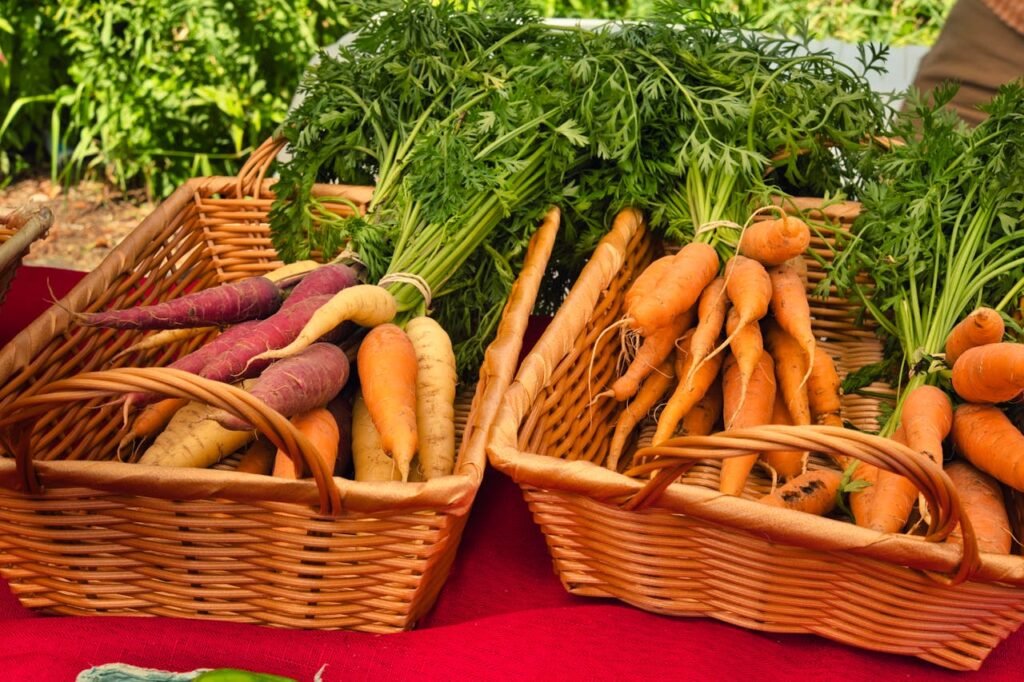
While the orange carrot is iconic (popularised largely by Dutch growers in the 17th century), carrots come in a spectrum of colours, each with unique phytochemicals:
- Purple Carrots: Rich in anthocyanins, powerful antioxidants also found in blueberries.
- Red Carrots: Contain lycopene, linked to heart health.
- Yellow Carrots: Contain lutein, which is beneficial for eye health.
- White Carrots: Lower in pigment but often contain high fibre content.
Understanding these varieties allows you to shop not just for freshness, but for specific health goals. For a deeper dive into vegetable varieties, the Royal Horticultural Society offers excellent guidance.
How to Select the Freshest Carrots
When you are at the market, use your senses to evaluate the produce. Ignore the “best before” dates on bags and rely on tactile and visual cues.
1. The Snap Test (Firmness)
The most reliable indicator of freshness is firmness. Pick up the carrot; it should feel solid and unyielding. If you try to bend it slightly, it should resist. If it bends easily or feels rubbery, it has lost significant moisture and is old. A truly fresh carrot should satisfy the “snap” test—if broken, it should snap cleanly and crisply.
2. Colour Intensity
Look for vibrant, deep pigmentation. An orange carrot should be a bright, intense orange, not pale or yellowish (unless it is a yellow variety). The top of the root, near the shoulder, should not be green. This greening, caused by sun exposure, produces solanine, which can result in a bitter taste.
3. Skin Texture
The skin should be smooth and relatively unblemished. Avoid carrots with excessive cracks, which indicate irregular watering during growth. Also, check for “hairiness”—an abundance of small feeder roots often indicates the carrot is older or was grown in poor soil conditions.
4. Examining the Tops
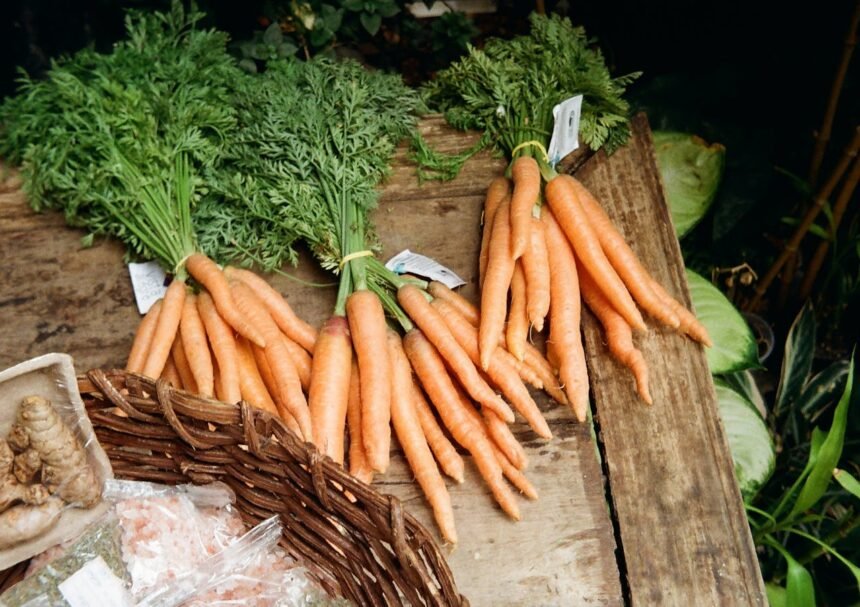
If you have the option, buy carrots with their green tops attached. The greens are the clock of the vegetable.
- Fresh: Bright green, feathery, and perky leaves.
- Old: Wilted, yellowing, or slimy leaves.
Important: While tops indicate freshness at the point of purchase, they should be removed immediately upon returning home (see the “Practical Tips” section below). Further information on identifying quality produce can be found via Produce for Better Health Foundation.
Treatment and Management: Storing for Longevity
Once you have selected your fresh carrots, proper storage is critical to maintain their nutritional value and texture. Improper storage is the leading cause of food waste in households.
Remove the Greens Immediately
Although beautiful, the green tops continue to draw moisture and nutrients from the root even after harvest. If left attached, your carrots will become limp within a few days. Cut the tops off, leaving about 2 centimetres of stem. You can use the tops separately in pestos or stocks—they are edible and nutritious.
Controlling Humidity
Carrots love humidity but hate standing water. The ideal environment is cool and damp.
- Refrigerator Method: Place the unwashed carrots in a sealable bag or container. Add a damp paper towel to the bag to maintain high humidity without soaking the roots. Seal the bag loosely to allow for slight air circulation.
- Water Bath: Some people prefer storing peeled carrots submerged in water in the fridge. While this keeps them crunchy, it may leach out some water-soluble vitamins over time. Change the water frequently (every 2-3 days) to prevent bacterial growth.
For more on food safety and storage, the Food Standards Agency provides regulatory advice.
Avoiding Ethylene Gas
Carrots are sensitive to ethylene gas, a natural hormone released by certain fruits like apples, bananas, and pears as they ripen. Exposure to ethylene causes carrots to develop a bitter flavour called isocoumarin. Always store carrots in a separate crisper drawer from ethylene-producing fruits.
Maximising Bioavailability: Preparation Matters
Selecting fresh carrots is only step one. How you prepare them dictates how much nutrition your body absorbs.
Raw vs. Cooked
Unlike many vegetables, carrots are often more nutritious when cooked. The rigid cell walls of the carrot trap beta-carotene. Cooking softens these walls, making the carotenoids more accessible to the body. Steaming or roasting are excellent methods to preserve vitamins while breaking down cellular structures.
The Fat Factor
Vitamin A is fat-soluble. This means your body requires dietary fat to absorb it efficiently. Eating raw carrots alone may result in very low absorption of beta-carotene. Pair your carrots with a healthy fat source, such as olive oil, avocado, or hummus.
A study published in the American Journal of Clinical Nutrition highlights the importance of fat in carotenoid absorption.
Practical Tips for the Savvy Shopper
Here is a quick reference guide to help you navigate the market efficiently.
Seasonal Considerations
While carrots are available year-round, their peak seasons in the UK are typically late spring (for young carrots) and autumn (for main crop varieties).
| Feature | Fresh Carrots | Old Carrots |
|---|---|---|
| Texture | Firm, hard, snaps cleanly | Bendy, rubbery, soft |
| Skin | Smooth, bright colour | Wrinkled, dry, pale |
| Tops | Vibrant green, perky | Wilted, yellow, slimy |
| Taste | Sweet, crisp | Bitter, soapy, woody |
Organic vs. Conventional
Carrots are root vegetables, meaning they absorb nutrients—and potentially pesticides—directly from the soil. The Environmental Working Group often lists non-organic carrots as having moderate pesticide residues. If your budget allows, opting for organic varieties or buying from trusted local farmers who use minimal chemicals can reduce your exposure.
Quick Preparation Ideas
- Roasted: Toss with olive oil, cumin, and honey. Roast at 200°C for 25 minutes.
- Pickled: Use the crunch of fresh carrots to make quick refrigerator pickles with vinegar and dill.
- Raw: Grate into salads for texture. The sweetness pairs well with acidic vinaigrettes.
You can find delightful healthy recipes at BBC Good Food.
The Bottom Line
Selecting fresh carrots is a small but impactful habit that can significantly improve the quality of your meals and your nutrient intake.
Focus on firmness, vibrant colour, and the condition of the green tops. Remember to remove the greens before storage and keep the roots in a humid, cool environment away from apples and pears. By paying attention to these details, you ensure that you are getting the full benefit of this humble yet powerful vegetable.
Whether you are snacking on them raw or roasting them to bring out their natural sweetness, starting with the freshest produce is the key to success. For further reading on general healthy eating guidelines, visit the NHS Live Well page or consult resources from the British Nutrition Foundation.
Taking a moment to inspect your produce connects you to your food source and supports a healthier lifestyle. Next time you are at the market, give those carrots a snap test—your body will thank you.