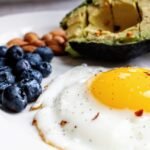
Finding a breakfast routine that aligns with a paleo lifestyle while keeping you full until lunch can feel like a daunting task. We have all been there—staring into the fridge, tired of plain boiled eggs, and craving something that provides sustained energy without the mid-morning crash.
Traditional western breakfasts are often laden with refined sugars and grains, which can spike your blood glucose levels and leave you feeling sluggish. However, prioritising a high-protein paleo breakfast can transform your morning routine. By focusing on whole, unprocessed foods, you can stabilise your energy and support muscle maintenance.
According to the NHS, incorporating quality sources of protein into your diet is essential for body repair and maintenance. Furthermore, protein is widely recognised as the most satiating macronutrient, meaning you are less likely to reach for unhealthy snacks later in the day.
Whether you are a seasoned cross-fitter or simply looking to tidy up your diet, these recipes are designed to be delicious, nutrient-dense, and entirely grain-free.
What Is a High-Protein Paleo Breakfast?
The paleo diet, often referred to as the ‘caveman diet’, mimics the eating habits of our hunter-gatherer ancestors. It focuses on whole foods that could theoretically be hunted or gathered.
A compliant breakfast excludes grains (like wheat, oats, and barley), legumes (beans and peanuts), dairy, and refined sugars. Instead, it emphasises:
- Lean meats: Grass-fed beef, poultry, and pork.
- Fish and seafood: Ideally wild-caught and rich in omega-3s.
- Eggs: Free-range or organic.
- Vegetables: Leafy greens, cruciferous veg, and root vegetables.
- Healthy fats: Avocados, olive oil, nuts, and seeds.
Why focus on protein in the morning? Research suggests that a protein-rich breakfast significantly improves appetite control and satiety. A study highlighted on PubMed indicates that higher protein intake increases thermogenesis and satiety compared to lower protein diets.
For a comprehensive guide on the nuances of this lifestyle, this Healthline overview of the paleo diet is an excellent resource to ensure you are on the right track.
7 High-Protein Paleo Breakfast Recipes
Here are seven actionable, delicious recipes to revolutionise your mornings. These dishes focus on high-quality proteins and healthy fats to keep your engine running efficiently.
1. Smoked Salmon and Avocado Nests
This recipe requires zero cooking, making it perfect for busy mornings. It combines the luxurious texture of smoked salmon with the creamy, fibre-rich density of avocado.
- Ingredients: 2 ripe avocados, 100g smoked salmon, 2 medium eggs, fresh dill, lemon juice.
- Method: Halve the avocados and remove the stone. Scoop out a little flesh to make the hole bigger. Line the hole with smoked salmon, crack an egg into the centre, and bake at 200°C for 15 minutes.
Why it works: Smoked salmon is a fantastic source of omega-3 fatty acids, which support heart health. Combined with the monounsaturated fats in avocados, this meal provides a steady release of energy. Medical News Today highlights that avocados are nutrient-dense and support healthy cholesterol levels.
2. Turkey and Spinach Frittata Muffins
Batch cooking is a saviour for maintaining a paleo diet during a hectic work week. These frittata muffins can be made on a Sunday and stored in the fridge for up to four days.
- Ingredients: 6 eggs, 150g cooked turkey mince, 100g spinach (wilted), 1 onion (diced), coconut oil.
- Method: Whisk the eggs in a bowl. Sauti the onion and turkey until cooked. Mix all ingredients, pour into a greased muffin tray, and bake at 180°C for 20 minutes.
Why it works: Turkey is a lean protein source that is lower in saturated fat than red meat. Adding spinach boosts the micronutrient profile, providing essential iron and magnesium without adding significant calories.
3. Sweet Potato Hash with Poached Eggs
If you have a morning workout routine, you might need slightly more carbohydrates to replenish glycogen stores. Sweet potato is a paleo-approved starch that offers a lower glycaemic impact than white potatoes.
- Ingredients: 1 large sweet potato (diced), 1 red pepper, 2 eggs, paprika, chilli flakes.
- Method: Pan-fry the diced sweet potato and pepper in olive oil until soft and crispy on the edges (about 15 mins). Create two wells in the hash and crack the eggs in. Cover the pan with a lid until the whites are set.
Why it works: Sweet potatoes are rich in Vitamin A and fibre. The BBC notes that sweet potatoes count towards your 5-a-day, unlike white potatoes, making them a superior nutritional choice for recovery meals.
4. Paleo ‘N’Oatmeal’ (Porridge Alternative)
Missing porridge is the number one complaint for new paleo adopters. This grain-free alternative uses nuts and seeds to replicate the comforting texture of oatmeal without the gluten or carb spike.
- Ingredients: 2 tbsp milled flaxseed, 2 tbsp chia seeds, 2 tbsp almond flour, 200ml almond milk, handful of berries.
- Method: Combine dry ingredients in a saucepan. Add the almond milk and simmer on low heat for 5 minutes until thickened. Top with fresh berries.
Why it works: Flaxseeds and chia seeds are powerhouses of fibre and plant-based protein. The British Nutrition Foundation emphasises the importance of plant proteins for gut health and digestive regularity.
5. Steak and Greens Breakfast Bowl
Who says steak is only for dinner? In many cultures, meat and vegetables are a standard start to the day. This is particularly good for those who find sweet breakfasts trigger sugar cravings.
- Ingredients: 150g sirloin steak, tenderstem broccoli, asparagus, garlic butter (ghee).
- Method: Pan-sear the steak to your liking. In the same pan, stir-fry the greens in ghee with a little garlic until tender.
Why it works: Red meat provides haeme iron, which is more easily absorbed by the body than plant-based iron. However, be mindful of processing; Harvard Health warns against processed meats, so sticking to high-quality fresh cuts like steak is crucial for long-term health.
6. Homemade Chicken and Apple Sausages
Store-bought sausages are often filled with rusk (wheat) and sulphites. Making your own patties ensures you are eating 100% real food.
- Ingredients: 400g chicken mince, 1 apple (grated, excess water squeezed out), sage, onion powder, salt.
- Method: Mix all ingredients in a bowl. Form into small patties. Fry in coconut oil for 4-5 minutes on each side until golden and cooked through.
Why it works: The apple provides a subtle sweetness and moisture without the need for sugar or breadcrumbs. Chicken is a versatile protein that is lighter on the digestion system first thing in the morning.
7. Soft-Boiled Eggs with Asparagus Soldiers
A paleo twist on a British classic. Instead of toast, use roasted asparagus spears for dipping.
- Ingredients: 2 large eggs, 10 asparagus spears, olive oil, sea salt.
- Method: Boil eggs for 5-6 minutes for a runny yolk. meanwhile, grill or roast asparagus with olive oil and salt until tender.
Why it works: Eggs were once demonised for cholesterol, but the British Heart Foundation now confirms that for most people, eggs can be part of a healthy diet without increasing heart disease risk. They are a ‘complete’ protein, containing all nine essential amino acids.

Comparison of Breakfast Options
Use this table to decide which recipe fits your morning schedule and nutritional goals.
| Recipe | Primary Protein Source | Preparation Time | Best For |
|---|---|---|---|
| Salmon & Avocado | Fish (Omega-3s) | 20 Mins | Brain Health |
| Turkey Muffins | Poultry | 25 Mins (Batch) | Meal Prep |
| Sweet Potato Hash | Eggs & Veg | 20 Mins | Post-Workout |
| Paleo ‘N’Oatmeal’ | Nuts & Seeds | 5 Mins | Vegan/Plant-Based |
| Steak & Greens | Red Meat | 15 Mins | High Iron |
| Chicken Sausages | Poultry | 15 Mins | Kids/Family |
| Asparagus Soldiers | Eggs | 8 Mins | Light Breakfast |
Frequently Asked Questions
Can I drink coffee on a paleo breakfast?
Yes, black coffee is paleo-friendly. Many people add a splash of almond milk or a teaspoon of MCT oil. However, avoid dairy milk and refined sugar. Caffeine can aid alertness, but rely on food for sustained energy.
Is fruit allowed in a high-protein paleo breakfast?
Yes, but in moderation. Berries are the best option as they have a lower glycaemic index compared to tropical fruits like mango or pineapple. The Diabetes UK website explains that lower GI foods cause a slower rise in blood glucose levels, preventing insulin spikes.
How much protein should I aim for at breakfast?
Aim for 20–30 grams of protein. This amount is generally sufficient to stimulate muscle protein synthesis and keep you satiated until your next meal.
Are potatoes paleo?
There is some debate. Generally, white potatoes are avoided due to their high starch content and glycaemic load. Sweet potatoes are widely accepted in the paleo community due to their superior nutrient profile. For general healthy eating guidelines, refer to the Gov.uk Eatwell Guide, though note that strict paleo differs slightly from standard government advice regarding grains.
The Bottom Line
Switching to a high-protein paleo breakfast does not mean sacrificing flavour or convenience. By removing grains and focusing on high-quality meats, eggs, and healthy fats, you can stabilise your blood sugar and improve your mental clarity throughout the morning.
It is important to listen to your body. While high protein is beneficial, ensure you are balancing it with enough fibre from vegetables to maintain digestive health. Experiment with these recipes, find what works for your schedule, and enjoy the benefits of fuelling your body with real, unprocessed food.
Remember, consistency is the key to seeing long-term health results.