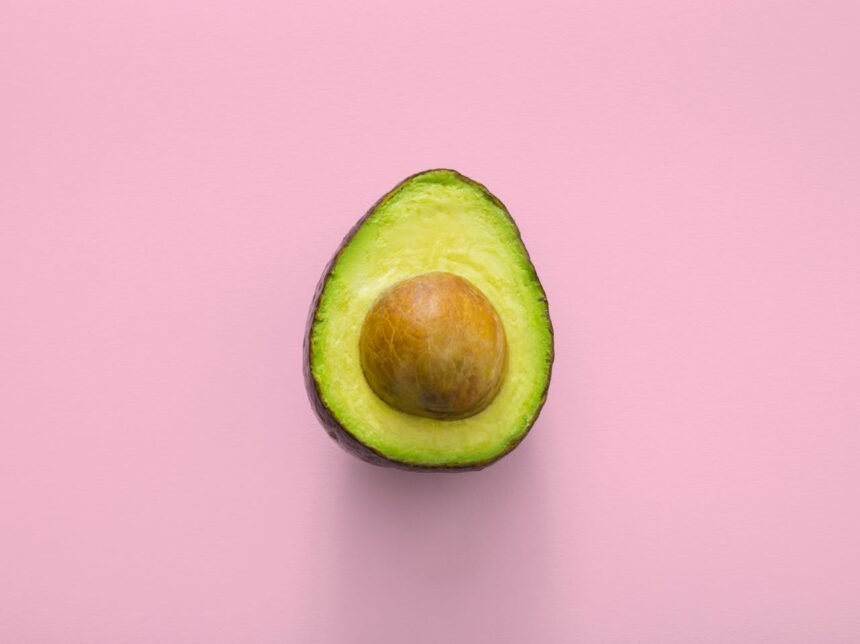
Keeping a backyard flock offers the delightful benefit of turning kitchen scraps into fresh eggs. Most chicken keepers view their birds as efficient composters, happily devouring vegetable peelings, stale bread, and leftover fruits. However, not every scrap from your kitchen counter is safe for the coop.
One common household fruit—the avocado—is a subject of intense caution in the veterinary world. Specifically, if you are asking, “can chickens eat avocado pits,” the answer is a definitive no.
While avocados are a superfood for humans, rich in healthy fats and vitamins, the stone (pit) and skin present a lethal danger to poultry. The risk is twofold: physical obstruction and severe chemical toxicity.
This article provides an exhaustive look at why avocado pits are dangerous, the science behind the toxin persin, and how to manage your flock’s diet safely.
Overview: The Dangers of Avocado for Birds
To understand the risk, we must look at the biology of the avocado (Persea americana). The avocado tree produces a fungicidal toxin known as persin. This compound is structurally similar to a fatty acid and is harmless to humans in normal dietary amounts (though some people may have allergies).
However, for many animals—including dogs, horses, rabbits, and especially birds—persin is highly toxic.
Can Chickens Eat Avocado Pits?
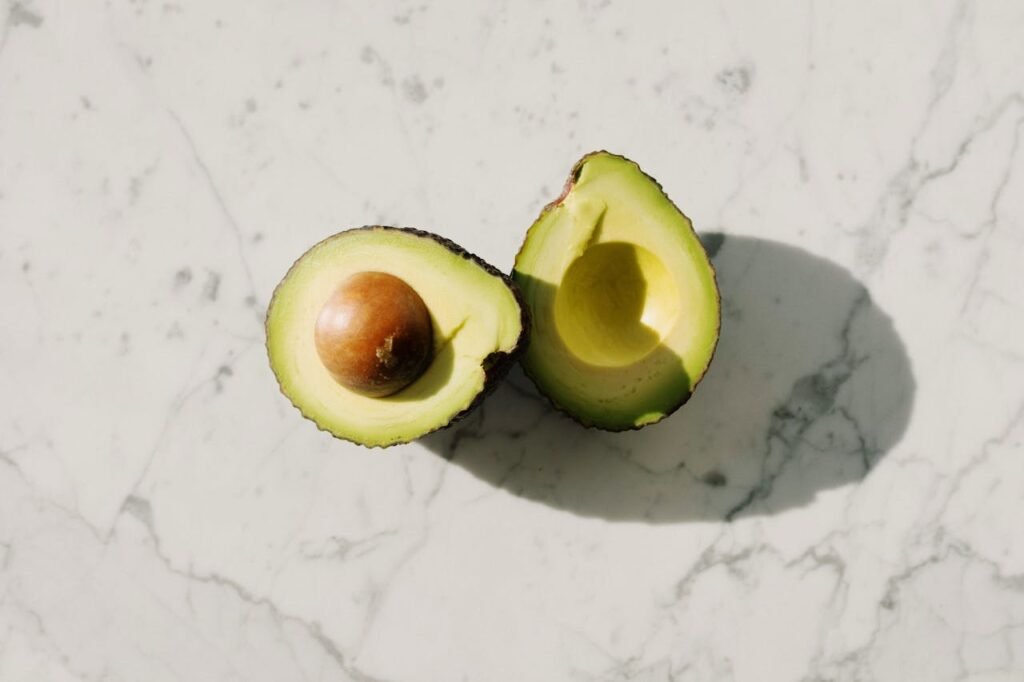
No. You should never feed avocado pits, skins, or leaves to chickens. The pit contains the highest concentration of persin within the fruit.
Furthermore, the physical size and density of the pit pose an immediate choking hazard. Even if a chicken were to peck at a fragmented pit, the ingestion of the seed material can lead to rapid organ failure.
Understanding Persin Toxicity
Persin leaches into the flesh of the avocado from the pit and the skin. While some poultry keepers argue that the flesh (mesocarp) contains low enough levels of persin to be safe in tiny quantities, the risk generally outweighs the reward.
When it comes to the pit, there is no debate. It is the reservoir of the plant’s defence mechanism. In birds, persin causes necrosis (tissue death) of the heart muscle and mammary tissue (in mammals). For chickens, the primary target is the heart and respiratory system.
Research indicates that birds are significantly more sensitive to persin than most mammals. A relatively small amount of pit material can induce myocardial necrosis, leading to heart failure within 24 to 48 hours.
Symptoms and Causes of Persin Poisoning
If you suspect your flock has accessed an open compost heap or scavenged a discarded avocado stone, immediate observation is required. The onset of symptoms can be rapid, depending on the amount ingested and the size of the bird.
The Mechanism of Injury
When a chicken ingests parts of an avocado pit, the persin is absorbed into the bloodstream. It specifically attacks the myocardial cells—the muscle cells of the heart.
This cellular damage leads to inflammation, fluid accumulation (oedema), and eventually, the heart’s inability to pump blood effectively. This results in fluid backing up into the lungs and abdomen.
Clinical Signs to Watch For
Because chickens are prey animals, they often hide signs of illness until the condition is critical. However, persin poisoning presents specific symptoms related to heart and respiratory distress:
- Respiratory Distress: The most common early sign. Birds may gasp for air, breathe rapidly (tachypnoea), or keep their beaks open. This is due to fluid accumulation in the lungs and around the heart.
- Lethargy and Weakness: Affected birds will separate from the flock, fluff their feathers, and appear drowsy or unresponsive.
- Cyanosis: The combs and wattles may turn a blue or purple hue. This indicates a lack of oxygen in the blood due to heart failure.
- Disordered Plumage: Birds may fail to preen and appear ruffled.
- Loss of Appetite: Complete refusal of food and water is common.
- Ascites: In later stages, fluid may accumulate in the abdomen, making the belly feel squishy or swollen.
- Sudden Death: Unfortunately, in high-dose ingestion, the first sign of toxicity is often finding the bird deceased.
Treatment and Management
There is no specific antidote for persin poisoning. Once the toxin has caused heart tissue necrosis, the damage is often irreversible. However, swift action can sometimes save a bird that has ingested a minimal amount.
Immediate Steps
If you see a chicken peck at an avocado pit:
- Remove the Hazard: Immediately clear all avocado remnants from the area to protect the rest of the flock.
- Isolate the Bird: Move the affected chicken to a hospital crate or a warm, quiet, and dark area to reduce stress. Stress increases heart rate, which exacerbates the condition.
- Empty the Crop (Expert Only): If the ingestion happened moments ago, a veterinarian might be able to flush the crop (lavage) or physically remove the pieces. Do not attempt this unless you are experienced, as aspiration is a high risk.
Supportive Care
Veterinary care will focus on supportive measures to help the bird survive the acute phase of toxicity:
- Activated Charcoal: Your vet may administer activated charcoal to bind with any remaining toxin in the digestive tract, preventing further absorption.
- Diuretics: These may be prescribed to help reduce fluid accumulation in the lungs and around the heart.
- Oxygen Therapy: In a clinical setting, oxygen can support birds struggling to breathe.
- Fluids: Electrolyte therapy can help maintain blood pressure and flush the kidneys, although care must be taken not to overload a failing heart.
Prognosis
The prognosis for a chicken that has eaten a significant portion of an avocado pit is generally poor. If the bird survives the initial 48 hours, they may suffer from chronic heart weakness or ascites for the remainder of their life.
Tips for Safe Feeding and Prevention
Prevention is the only truly effective cure for avocado toxicity. Ensuring your flock never asks “can chickens eat avocado pits” involves securing your waste and offering healthier alternatives.
Securing the Compost
The most common route of poisoning is not intentional feeding, but accidental scavenging.
- Enclosed Compost Bins: Use robust, lidded compost bins rather than open heaps if you discard toxic kitchen scraps like avocado skins and stones.
- Kitchen Scraps Management: Keep a separate container for “chicken-safe” scraps and “bin-only” scraps in your kitchen to avoid accidental cross-contamination.
Safe Alternatives to Avocado
Chickens love variety. Instead of risking avocado, offer these nutrient-dense, safe treats:
- Watermelon: Hydrating and rich in vitamins. The rind and flesh are safe.
- Berries: Blueberries, strawberries, and raspberries are high in antioxidants.
- Leafy Greens: Kale, spinach (in moderation), and chard mimic their natural foraging diet.
- Cucumber: excellent for cooling birds down in summer.
- Pumpkin: Both the flesh and the seeds are highly nutritious and can act as a natural dewormer.
- Carrots: Cooked or grated raw carrots provide beta-carotene.
UK Regulations on Feeding Scraps
It is vital for UK keepers to note that under Defra regulations, feeding catering waste or kitchen scraps that have passed through a (non-vegan) kitchen to livestock—including backyard chickens—is heavily restricted to prevent diseases like Foot and Mouth.
Always ensure you are compliant with local laws regarding feeding household waste to poultry. Generally, vegetation direct from the garden is safe, but food scraps from a kitchen handling meat/dairy are prohibited.
The Bottom Line
So, can chickens eat avocado pits? Absolutely not.
The avocado stone represents a dual threat of choking and fatal poisoning from persin. While the flesh of the avocado is less toxic, the margin for error is too slim to justify the risk. The consequences of heart necrosis are severe, painful, and often untreatable.
As responsible stewards of our flocks, it is our duty to protect them from household hazards. By sticking to safe fruits and vegetables and securing our compost bins, we can ensure our chickens live long, productive, and healthy lives.
If you suspect your chicken has ingested avocado, contact a veterinarian immediately for guidance on supportive care.