Living with diabetes requires a constant, delicate balancing act regarding your diet. You are likely always on the lookout for nutritious foods that satisfy your palate without causing a rapid spike in blood glucose levels. Fruit often falls into a grey area; while packed with vitamins, the natural sugars can be a cause for concern.
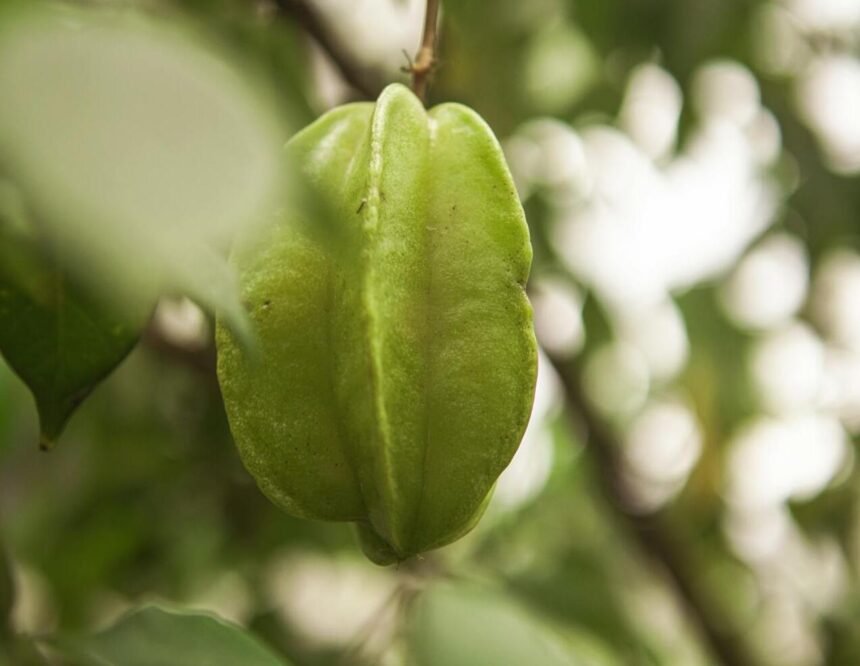
Enter the star fruit. Also known as carambola, this tropical fruit is famed for its distinctive shape and refreshing, tart-sweet flavour. But is star fruit for diabetes a safe choice? The answer is nuanced.
While it boasts an impressive nutritional profile and a low glycaemic index, it carries specific risks that every diabetic—particularly those with kidney concerns—must understand. This article explores the benefits, the safety concerns, and the nutritional science behind star fruit to help you make an informed decision.
Nutritional Profile of Star Fruit
Before determining whether star fruit deserves a place in your fruit bowl, it is essential to look at the hard data. Star fruit is nutritionally dense, meaning it provides a wealth of vitamins and minerals for relatively few calories.
For someone managing diabetes, the carbohydrate and fibre content are the most critical metrics. Star fruit is remarkably low in sugar compared to other tropical fruits like mangoes or pineapples.
Here is the nutritional breakdown for one medium-sized star fruit (approximately 91 grams):
| Nutrient | Amount | % Daily Value (DV) |
|---|---|---|
| Calories | 28 | – |
| Carbohydrates | 6 grams | 2% |
| Fibre | 3 grams | 10% |
| Protein | 1 gram | – |
| Vitamin C | 31 mg | 52% |
| Copper | 0.1 mg | 6% |
| Potassium | 121 mg | 3% |
| Magnesium | 9 mg | 2% |
(Source: USDA FoodData Central)
As you can see, the fruit is incredibly low in calories and carbohydrates. More importantly, nearly half of its carbohydrate content comes from dietary fibre. This is excellent news for blood sugar management, as fibre slows the absorption of sugar into the bloodstream.
The Glycaemic Index and Glycaemic Load
When evaluating star fruit for diabetes, understanding the Glycaemic Index (GI) is paramount. The GI is a ranking system for carbohydrates based on how they affect blood sugar levels. Foods are ranked on a scale of 0 to 100:
- Low GI: 55 or less
- Medium GI: 56 to 69
- High GI: 70 or higher
Star fruit is classified as a low glycaemic food. Although the exact number can vary slightly depending on ripeness, it generally falls well below 55. This implies that eating star fruit causes a slower, lower rise in blood glucose levels compared to high-GI foods like white bread or watermelon.
Furthermore, because the total carbohydrate count per serving is so low, the Glycaemic Load (GL)—which accounts for portion size—is also exceptionally low. According to experts at Harvard Health Publishing, sticking to low-GL foods is a practical strategy for long-term glucose control.
Potential Health Benefits for Diabetics
If your kidneys are healthy (more on this in the warning section below), incorporating star fruit into your diet may offer several tangible benefits for diabetes management and general wellbeing.
1. High Fibre Content
Fibre is a cornerstone of a diabetic diet. With 3 grams of fibre per medium fruit, star fruit contributes significantly to your daily intake. Fibre does not merely aid digestion; it creates a physical barrier in the intestine that slows down the absorption of glucose. This helps prevent the dreaded ‘sugar crash’ and promotes satiety, which can aid in weight management—a crucial factor in Type 2 diabetes.
2. Rich in Antioxidants
Oxidative stress is a common complication in diabetes, often leading to inflammation and tissue damage. Star fruit is a powerhouse of antioxidants, particularly quercetin, gallic acid, and epicatechin.
Research published in various scientific journals suggests that these plant compounds help combat free radicals. By reducing systemic inflammation, antioxidants may help mitigate some of the long-term complications associated with diabetes, such as cardiovascular issues. For a deeper look at how antioxidants function, you can review studies found on PubMed.
3. Immune System Support
A single star fruit provides roughly 52% of your daily Vitamin C requirement. Diabetics are often more susceptible to infections and may have slower wound healing processes. Adequate Vitamin C intake is vital for maintaining a robust immune system and ensuring healthy skin and tissue repair.
4. Potential Blood Sugar Regulation
Some animal studies have indicated that the insoluble fibre in star fruit might help improve insulin sensitivity. While human trials are still ongoing, the general consensus aligns with the advice from Diabetes UK that high-fibre, low-sugar fruits are beneficial for metabolic health.

CRITICAL WARNING: Kidney Toxicity and Neurotoxins
This section is the most important part of this article. While star fruit for diabetes can be beneficial for some, it can be deadly for others.
Star fruit contains a substance called caramboxin.
For a person with normal kidney function, the kidneys filter out this toxin and pass it out of the body through urine without issue. However, for individuals with kidney disease (nephropathy)—a common complication of long-term diabetes—the kidneys cannot process this neurotoxin.
The Dangers of Caramboxin
When caramboxin accumulates in the body, it can cross the blood-brain barrier and cause severe neurotoxicity. Symptoms can appear rapidly and may include:
- Persistent hiccups (often the first sign)
- Mental confusion or agitation
- Weakness and numbness
- Seizures
- Coma
- In severe cases, death
The National Kidney Foundation explicitly advises that anyone with kidney stones, kidney disease, or those on dialysis must avoid star fruit entirely. This is not a suggestion; it is a medical safety requirement.
Because diabetes is the leading cause of kidney disease, you must know the status of your kidney function before eating this fruit. If you have any degree of renal impairment, star fruit is not safe for you.
Drug Interactions
Similar to grapefruit, star fruit can affect the way your body processes certain medications. It inhibits the CYP3A4 enzyme, which is responsible for metabolising many drugs. Eating star fruit while taking specific medications (such as statins or anti-anxiety drugs) can lead to dangerously high levels of the drug in your system.
Always check with your pharmacist or consult resources like WebMD regarding drug interactions before adding carambola to your regular diet.
Practical Tips for Consumption
If you have confirmed with your doctor that your kidneys are healthy and you are not on conflicting medication, star fruit can be a delightful addition to your menu. Its texture is crunchy, similar to a grape or an apple, and it does not require peeling.
Here is how to select and prepare it:
- Selection: Look for fruit that is bright yellow. A little browning on the ridges indicates ripeness and sweetness. Green star fruit is edible but will be very sour.
- Preparation: Wash the fruit thoroughly. Cut off the ends and slice it horizontally to create the signature star shapes. You can remove the seeds, though they are edible.
Healthy Serving Ideas
- Fresh Salad: Toss star fruit slices with cucumber, spinach, and a light lemon vinaigrette. The tartness cuts through the earthiness of the greens.
- Garnish: Use the star shapes to garnish a glass of sparkling water or a sugar-free mocktail.
- Protein Pairing: The acidity of star fruit pairs beautifully with grilled chicken or fish dishes. It works similarly to a chutney or salsa.
- Smoothies: Blend green star fruit with spinach and a half-banana for a fibre-rich green smoothie. For more diabetic-friendly smoothie ideas, check out Healthline’s nutrition resources.
Comparing Star Fruit to Other Low-GI Fruits
How does carambola stack up against other fruits recommended for diabetics? Let’s look at the comparisons.
- Berries: Like star fruit, berries are high in fibre and antioxidants. However, star fruit is often more affordable in tropical regions and offers a unique texture.
- Apples: A small apple has more carbohydrates (approx. 15g) than a star fruit (6g). If you are on a very strict low-carb diet like Keto, star fruit is the superior option.
- Citrus: While oranges are rich in Vitamin C, they contain more sugar. Star fruit provides a similar Vitamin C boost with a fraction of the glucose load.
For a broader list of beneficial fruits, Medical News Today offers excellent guidance on low-GI options.
Current Research and Future Studies
Science is constantly evolving. Recent studies have looked beyond just the fruit and examined the leaves and root extracts of the Averrhoa carambola plant for potential anti-diabetic properties.
Some preliminary research suggests that extracts from the plant may help stimulate insulin secretion. However, these studies are mostly limited to animal models. It is vital to rely on the whole fruit rather than unregulated supplements until more clinical data is available. You can follow such developments on databases like the NCBI.
The Bottom Line
Is star fruit for diabetes a good idea? It depends entirely on your individual health profile.
The Pros:
- Extremely low calorie and carbohydrate count.
- Low Glycaemic Index and Glycaemic Load.
- High in fibre and Vitamin C.
- Rich in anti-inflammatory antioxidants.
The Cons:
- Dangerous neurotoxins for anyone with kidney issues.
- Potential interactions with prescription medications.
If you have well-managed diabetes and normal kidney function, star fruit is an excellent, hydrating, and nutritious choice that will not spike your blood sugar. However, if you have diabetic nephropathy or any history of kidney stones, you must exclude it from your diet to avoid serious toxicity.
As with any significant dietary change, the golden rule is to consult your healthcare team. According to the Mayo Clinic, regular kidney function tests are standard for diabetics; ensure yours are up to date before trying this exotic fruit.
Eating well with diabetes is about variety and safety. Star fruit can be a star player on your plate, provided you play it safe.