For many, a rich tomato sauce or a fresh summer salad is a culinary delight. However, if you suffer from gastro-oesophageal reflux disease (GORD), widely known as acid reflux, these vibrant red fruits can be a source of significant discomfort. The burning sensation in the chest, known as heartburn, often follows a meal rich in acidic foods.
Navigating dietary choices when you have a sensitive digestive system can feel restrictive and frustrating. You might wonder if you have to banish your favourite pasta dishes or pizzas forever. The relationship between tomatoes and acid reflux is well-documented, but it is also nuanced. Not everyone reacts the same way, and preparation methods can make a difference.
This article explores why tomatoes trigger symptoms, offers science-backed alternatives, and provides actionable advice for managing your condition without losing the joy of eating. Whether you are newly diagnosed or a long-time sufferer, understanding the chemistry of your food is the first step towards relief.
Overview: Understanding Acid Reflux and GORD
Acid reflux occurs when the contents of the stomach move back up into the oesophagus. This happens because the lower oesophageal sphincter (LOS), a ring of muscle at the bottom of the gullet, becomes weakened or relaxes when it shouldn’t.
When this acidic mixture touches the lining of the oesophagus, it causes the hallmark symptom of heartburn. If this happens frequently, you may be diagnosed with GORD. According to the NHS, this is a common condition affecting millions of people in the UK.
While medication can help, diet plays a pivotal role in management. Certain foods are known as “triggers” because they either relax the LOS or increase the acidity of stomach juices. Tomatoes unfortunately fall into the latter category for many people, acting as a primary catalyst for discomfort.
However, it is important to realise that GORD is a highly individualised condition. What triggers severe pain in one person might be perfectly tolerable for another. Identifying your personal thresholds is key to long-term management.
Symptoms and Causes: The Tomato Connection
Why Are Tomatoes So Acidic?
Tomatoes are naturally packed with two types of organic acids: malic acid and citric acid. These acids give tomatoes their characteristic tart flavour, but they can also wreak havoc on a sensitive stomach.
When you consume highly acidic foods, the pH level in your stomach drops further. If you are prone to reflux, this highly acidic gastric juice is more likely to irritate the delicate lining of your oesophagus if it splashes back up. Medical News Today highlights that citric acid, in particular, is a potent trigger for many digestive issues.
Raw vs. Cooked Tomatoes
Many patients assume that cooking tomatoes reduces their acidity. Unfortunately, the opposite is often true. When you cook tomatoes down into a sauce or paste, you are evaporating water and concentrating the acids.
A thick marinara sauce or tomato puree has a much higher concentration of acid per spoonful than a slice of raw tomato on a sandwich. Additionally, these sauces are often prepared with garlic and onions, which are also notorious reflux triggers.
Common Symptoms After Eating Tomatoes
If tomatoes are a trigger for you, symptoms usually appear within an hour of eating. You may experience:
- Heartburn: A burning pain in the chest, just behind your breastbone.
- Regurgitation: A sour or bitter-tasting acid backing up into your throat or mouth.
- Dysphagia: Difficulty swallowing or a sensation of a lump in your throat.
- Chronic Cough: A dry cough that worsens after meals or at night.
For a comprehensive list of foods that exacerbate these symptoms, Healthline offers an excellent resource on dietary triggers to avoid.
Diagnosis and Treatment
How Is GORD Diagnosed?
If you frequently experience heartburn after eating foods like tomatoes, you should speak to your GP. They may diagnose GORD based on your symptoms alone. However, if symptoms are severe or persistent, they might recommend an endoscopy.
Guts UK, a leading charity for digestive health, explains that an endoscopy involves passing a thin, flexible tube with a camera down your throat to examine the oesophagus for inflammation or damage.
Medical Interventions
Treatment often begins with over-the-counter remedies like antacids or alginates. If these are ineffective, your doctor may prescribe:
- Proton Pump Inhibitors (PPIs): These reduce the amount of acid your stomach produces.
- H2 Blockers: Another class of medication that lowers acid production.
While these medications are effective, long-term reliance on them is not always ideal. The National Institute for Health and Care Excellence (NICE) guidelines emphasise lifestyle and dietary changes as the first line of defence before heavy medication use.

Tips for Management: Eating Smart
Low-Acid Tomato Alternatives
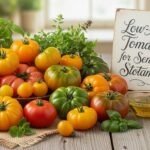
If you cannot tolerate standard tomatoes, all is not lost. You can try fresh, yellow tomatoes, which generally have a lower acid content than their red counterparts. However, moderation is still necessary.
For cooking, consider these substitutes to mimic the flavour or texture of tomatoes without the burn:
- Red Bell Pepper Paste: Roasted red peppers blended with a little olive oil and herbs can create a rich, savoury sauce that mimics the look and texture of marinara.
- Carrot and Beetroot: Mixing pureed carrots and beetroot can provide the sweetness and colour usually provided by tomatoes in stews.
- Nomato Sauce: There are commercially available “no-tomato” sauces made from vegetables like pumpkin, carrots, and beets, specifically designed for acid reflux sufferers.
Lifestyle Adjustments
Beyond diet, how you eat is just as important as what you eat. To minimise the impact of acidic foods:
- Eat Smaller Meals: Large meals put pressure on the LOS. Try eating five small meals instead of three large ones.
- Stay Upright: Do not lie down immediately after eating. Gravity helps keep stomach acid where it belongs. Patient.info suggests waiting at least three hours before going to bed.
- Elevate Your Head: Raising the head of your bed by 10 to 20 cm can prevent acid from rising while you sleep.
Comparing Acidity Levels
Understanding where tomatoes sit on the pH scale compared to other foods can help you make better choices. A lower pH number indicates higher acidity.
| Food Item | Approximate pH Level | Acidity Classification | Risk for Reflux |
|---|---|---|---|
| Lemon Juice | 2.0 – 2.6 | Very High | Severe |
| Tomatoes (Canned) | 3.5 – 4.7 | High | High |
| Fresh Red Tomatoes | 4.3 – 4.9 | Moderate to High | Moderate |
| Bananas | 4.5 – 5.2 | Low to Moderate | Low |
| Red Bell Peppers | 5.0 – 6.0 | Low | Safe |
| Melon | 6.1 – 6.4 | Very Low | Very Safe |
| Spinach | 6.5 – 7.0 | Neutral | Very Safe |
Data adapted from various nutritional databases.
Frequently Asked Questions
Can I eat pizza if I have acid reflux?
Pizza is a “double trouble” food for many. It combines acidic tomato sauce with high-fat cheese, which delays stomach emptying. If you crave pizza, try a “white pizza” with an olive oil or garlic base (if you tolerate garlic) and low-fat cheese. The British Heart Foundation suggests choosing toppings like lean chicken and vegetables over pepperoni.
Does adding sugar to tomato sauce reduce acidity?
Adding sugar changes the flavour by masking the tartness, but it does not change the pH level of the sauce. The acid remains and can still trigger reflux. To actually neutralise acid, some cooks add a pinch of baking soda (bicarbonate of soda), though this can alter the taste significantly.
Are sun-dried tomatoes better?
Generally, no. Sun-dried tomatoes are highly concentrated, meaning the acid content is dense. They are often preserved in oil, adding a high-fat element that can further relax the oesophageal sphincter. According to Harvard Health, fatty foods are just as problematic as acidic ones for many patients.
The Bottom Line
Living with acid reflux requires a delicate balance between enjoying your food and managing your symptoms. While tomatoes are a nutritious source of antioxidants like lycopene, their high acidity makes them a frequent trigger for heartburn and GORD.
You do not necessarily need to eliminate them entirely, but you may need to reduce your portion sizes, opt for fresh rather than canned varieties, or experiment with yellow tomatoes. Incorporating substitutes like roasted red pepper sauce can allow you to enjoy Italian-style dishes without the pain.
Ultimately, listening to your body is the most effective strategy. Keeping a food diary can help you pinpoint your specific triggers. For more advice on maintaining a balanced diet while managing digestive conditions, resources like GOV.UK’s Eatwell Guide provide a solid foundation for general health.
Always consult with a healthcare professional before making drastic changes to your diet or if you rely heavily on over-the-counter medication to get through the day.